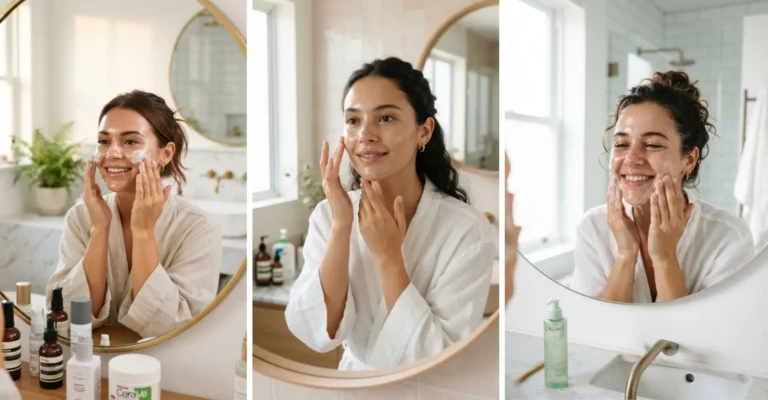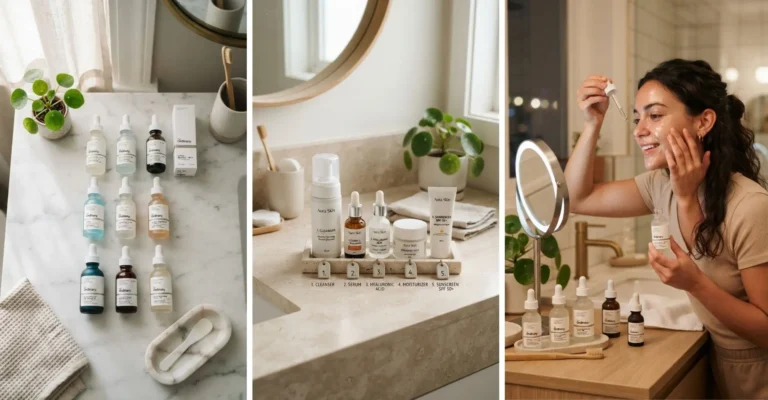
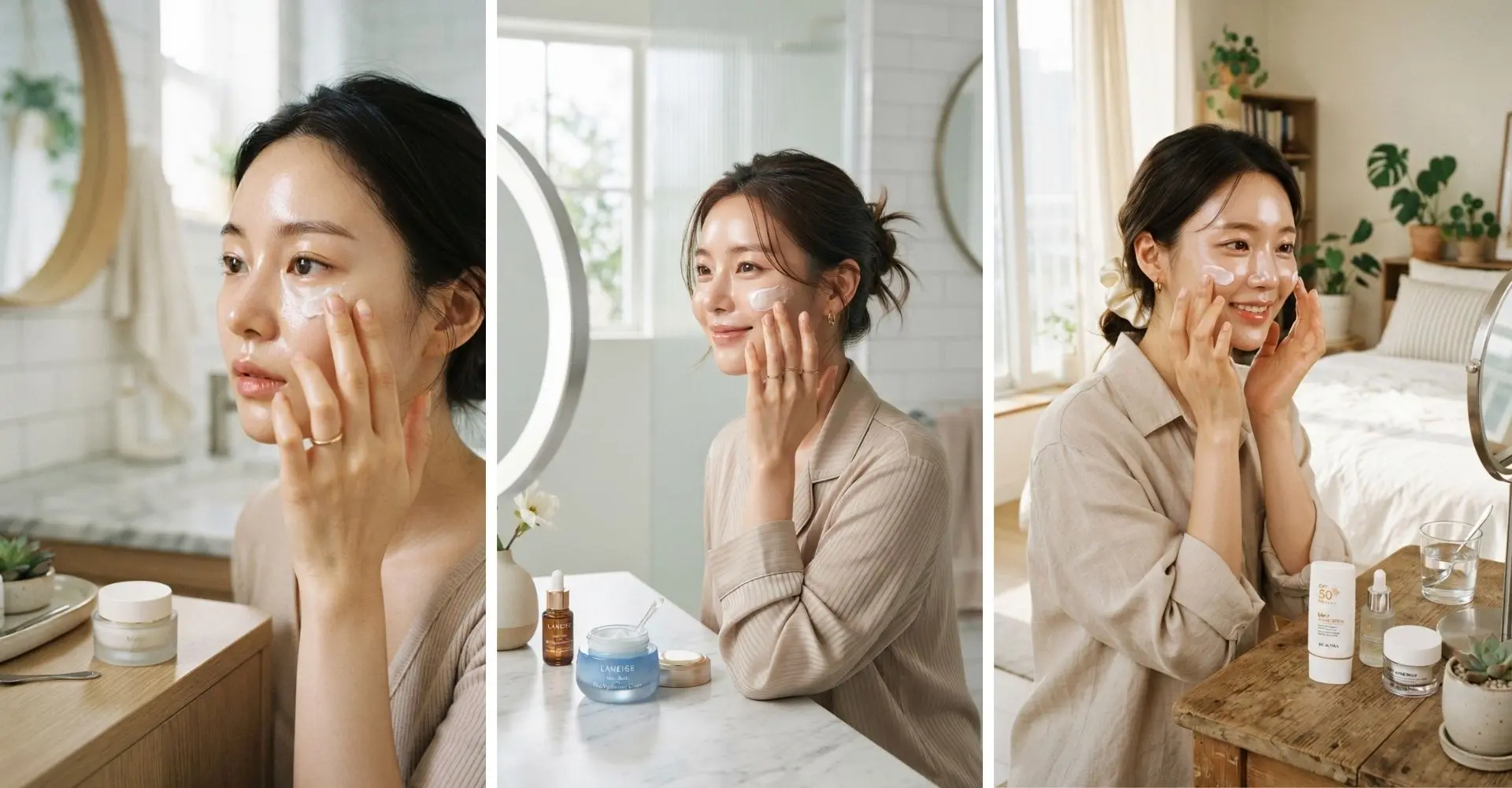
Korean skincare is famous for its thoughtful approach to cleansing, hydration, nourishment, and sun protection. Instead of relying on one miracle product, the routine focuses on giving your skin the right care in layers.
The classic 10-step Korean skincare routine may sound complicated at first, but you don’t necessarily need to use every product every day. Once you understand what each step does, you can adjust the routine to your skin type and concerns.
What Is the Korean 10-Step Skincare Routine?
The Korean skincare philosophy is all about gentle cleansing, hydration, targeted treatments, and protecting the skin barrier. Products are generally applied from the lighter, water-based formulas toward richer products.
The traditional routine includes:
- Oil cleanser
- Water-based cleanser
- Exfoliator
- Toner
- Essence
- Serum or ampoule
- Sheet mask
- Eye cream
- Moisturizer
- Sunscreen
You don’t have to force all ten steps into every morning and evening routine. Some steps, particularly exfoliation and sheet masks, are usually used less frequently.
1. Start With an Oil Cleanser
The first cleansing step removes the things that a regular water-based cleanser may struggle with, including makeup, sunscreen, excess sebum, and other oil-soluble residue.
Massage an oil cleanser gently over dry skin using your fingertips. Spend a little extra time around areas where makeup or sunscreen tends to build up, then emulsify it with a little water and rinse.
Best for: Removing makeup, sunscreen, and excess oil.
Tip: Avoid scrubbing aggressively. Gentle massage is enough.
2. Follow With a Water-Based Cleanser
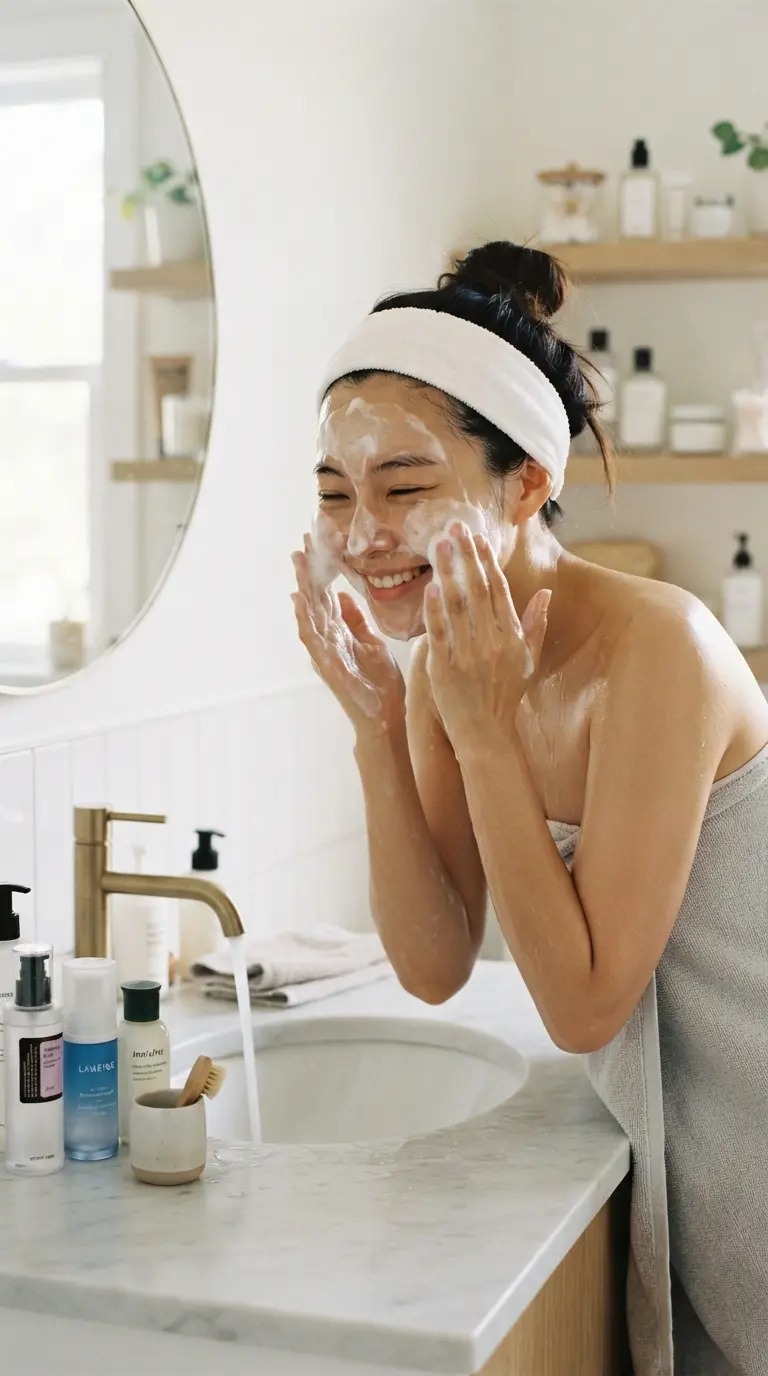
After dissolving oil-based impurities, move on to a gentle water-based cleanser. This second cleanse helps remove sweat, dirt, and remaining residue from the surface of your skin.
Choose a cleanser that doesn’t leave your face feeling extremely tight or squeaky-clean afterward.
Apply it to damp skin, massage gently, and rinse with lukewarm water.
Best for: Finishing your cleansing routine and preparing your skin for treatments.
For very dry or sensitive skin: You may not need an intensive double cleanse every time. Adjust the routine according to how your skin reacts.
3. Exfoliate Your Skin—But Don’t Overdo It
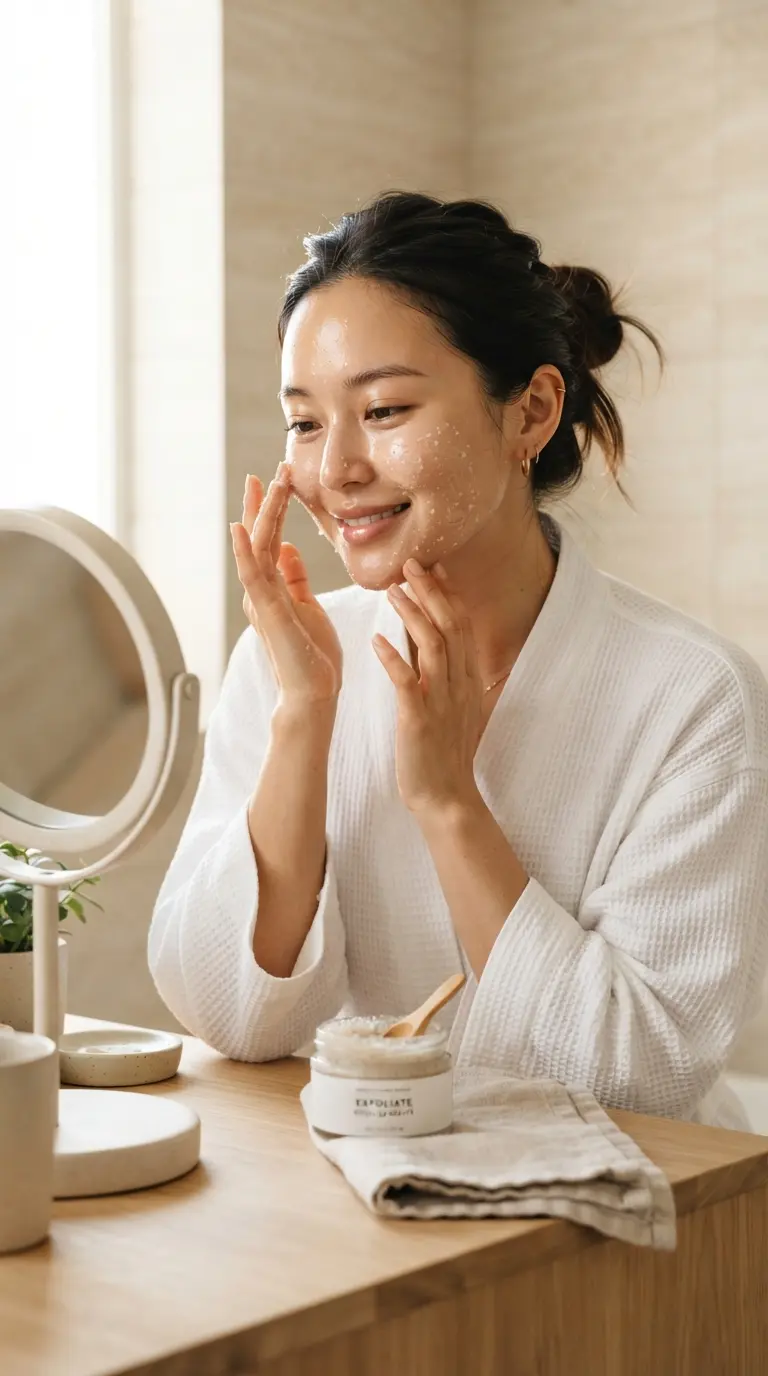
Exfoliation helps remove accumulated dead skin cells and can make the skin feel smoother and look brighter.
There are several approaches, including:
- Chemical exfoliation: Uses acids or other ingredients to loosen dead skin cells.
- Physical exfoliation: Uses particles or tools to manually remove buildup.
- Enzyme exfoliation: Uses enzymes to break down dead skin cells.
The important part is moderation. Exfoliation isn’t a daily requirement for everyone.
Depending on your skin and the product you’re using, exfoliating once or twice a week may be enough. Sensitive or breakout-prone skin may require even less frequent exfoliation.
Tip: Never combine multiple strong exfoliating products simply because you’re following a 10-step routine.
4. Apply a Hydrating Toner
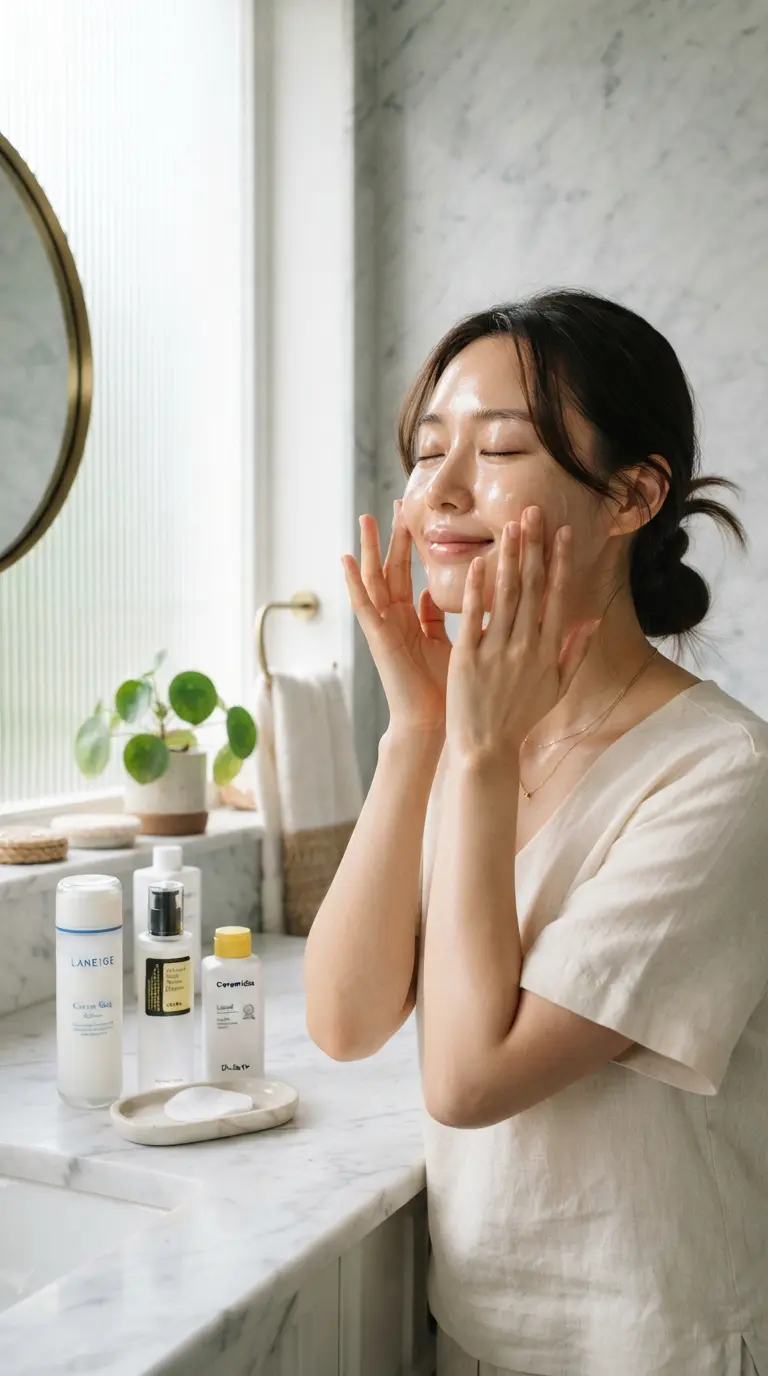
Toner comes after cleansing and exfoliation. Modern Korean-inspired toners are often focused more on hydration and skin comfort than the harsh, astringent toners commonly associated with older skincare routines.
Pour a small amount into your hands and gently press it into your skin. You can also apply it with a cotton pad if the product recommends that method.
Look for formulas that complement your skin type and don’t leave your face feeling dry.
Why use it? It adds lightweight hydration and creates a comfortable base for the products that follow.
5. Add a Lightweight Essence
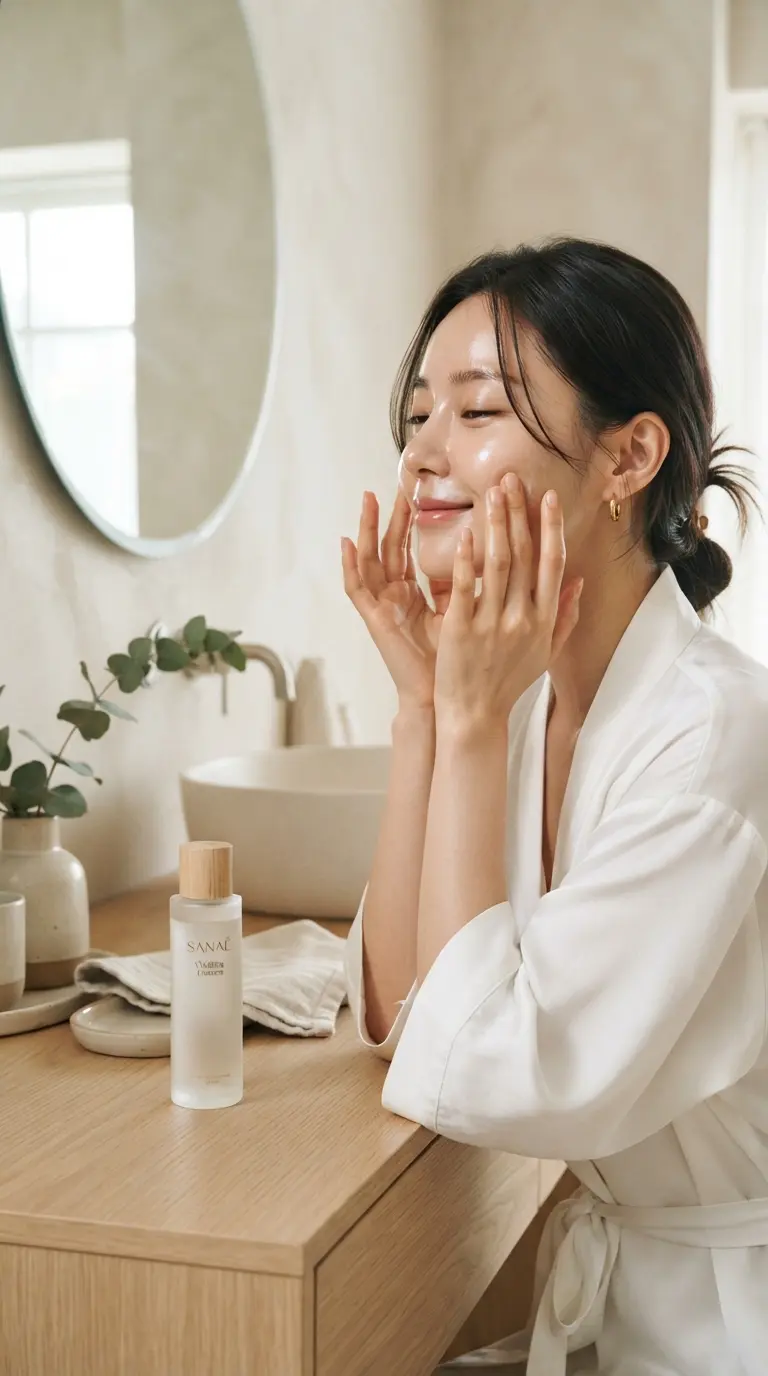
Essence is one of the steps most associated with Korean skincare. It generally has a lightweight, watery or slightly viscous texture and sits between toner and heavier treatments.
Its main role is to provide additional hydration and help your skin feel soft and plump.
Apply a small amount with clean hands and gently pat or press it into your face.
Think of essence as: A lightweight hydration layer between your toner and treatment products.
6. Treat Your Skin With a Serum
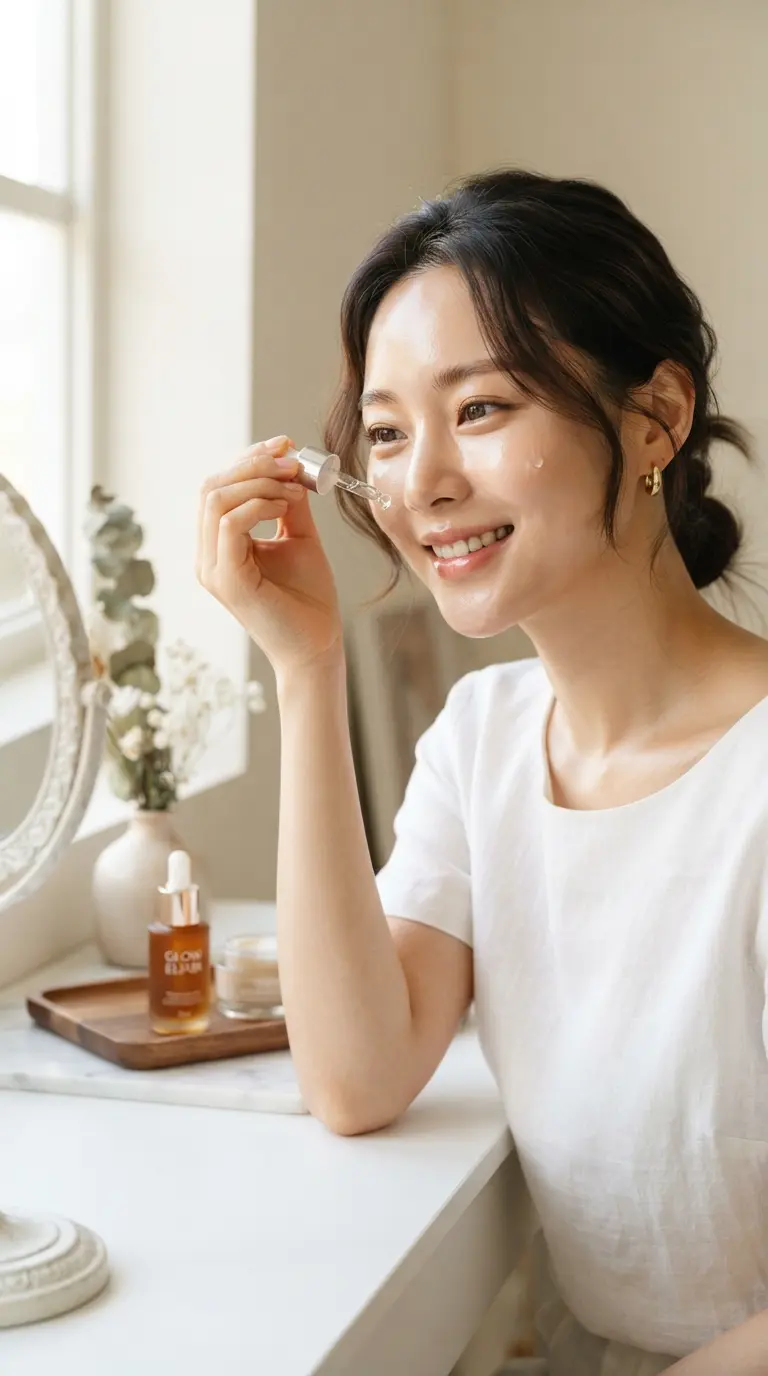
Now comes the targeted-treatment portion of the routine.
Serums are typically more concentrated and are chosen according to a particular skin concern. Depending on the formula, you might look for ingredients aimed at:
- Hydration
- Uneven-looking skin tone
- Dullness
- Visible signs of aging
- Blemish-prone skin
- Redness or sensitivity
- Rough texture
You don’t need several serums at once. Pick one or two that address your most important concerns and introduce active ingredients gradually.
Apply a few drops according to the product’s directions and gently press them into your skin.
Tip: More product doesn’t automatically mean better results.
7. Give Your Skin a Sheet Mask

Sheet masks are a relaxing addition to the Korean skincare routine and can provide another layer of hydration.
Most sheet masks are saturated with a serum-like essence. Place the mask evenly over your face and leave it on for the amount of time recommended on the packaging.
Once you remove it, gently pat the remaining essence into your skin.
You don’t need to use a sheet mask every day. Using one occasionally can be a simple way to add a little extra pampering to your routine.
Important: If a mask causes burning, itching, or significant irritation, remove it and rinse your skin.
8. Don’t Forget the Eye Area
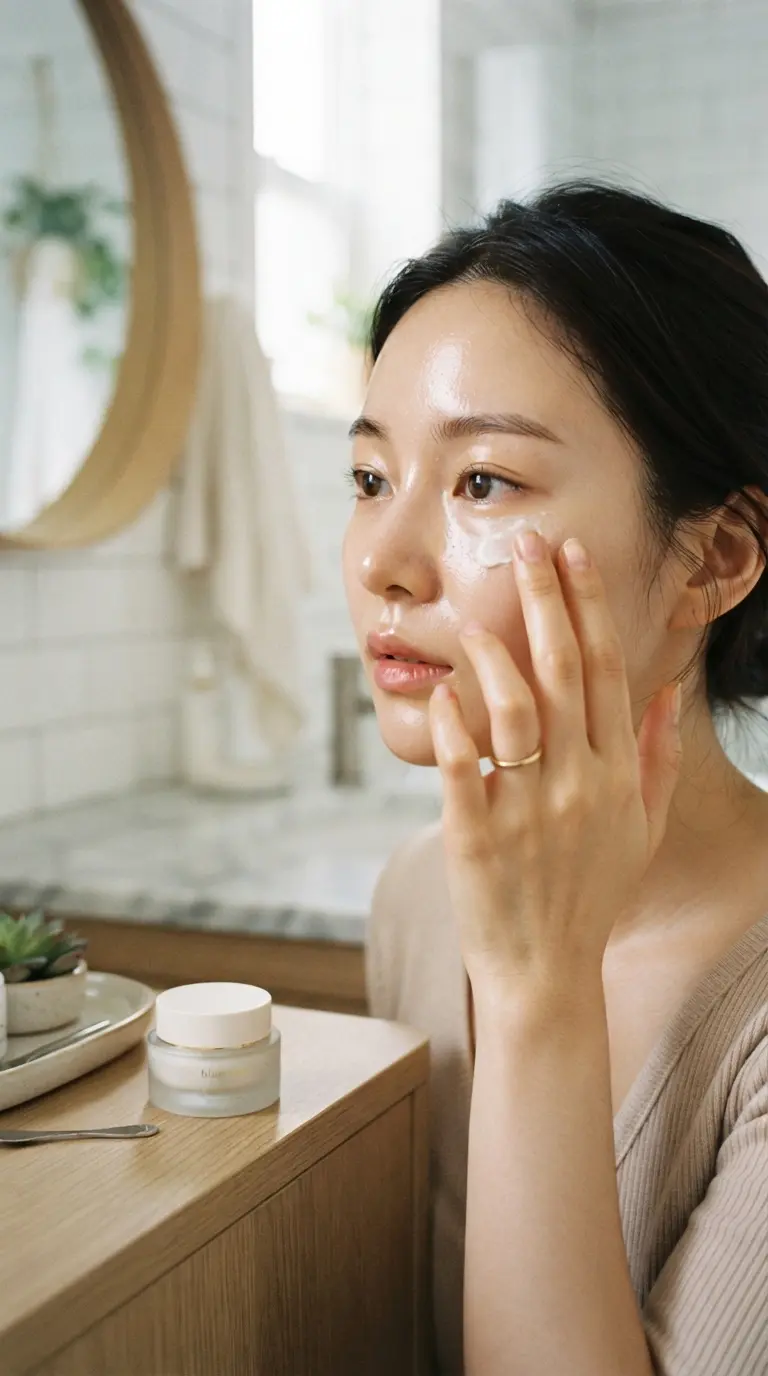
The skin around your eyes is delicate, so some people prefer using a separate eye cream.
An eye cream isn’t absolutely mandatory for everyone, but it can be useful if you enjoy the texture or have a product specifically formulated for the eye area.
Use a small amount and gently tap it around the orbital area rather than rubbing.
Tip: Be especially careful with strong active ingredients around the eyes unless the product is specifically designed for that area.
9. Seal Everything In With Moisturizer
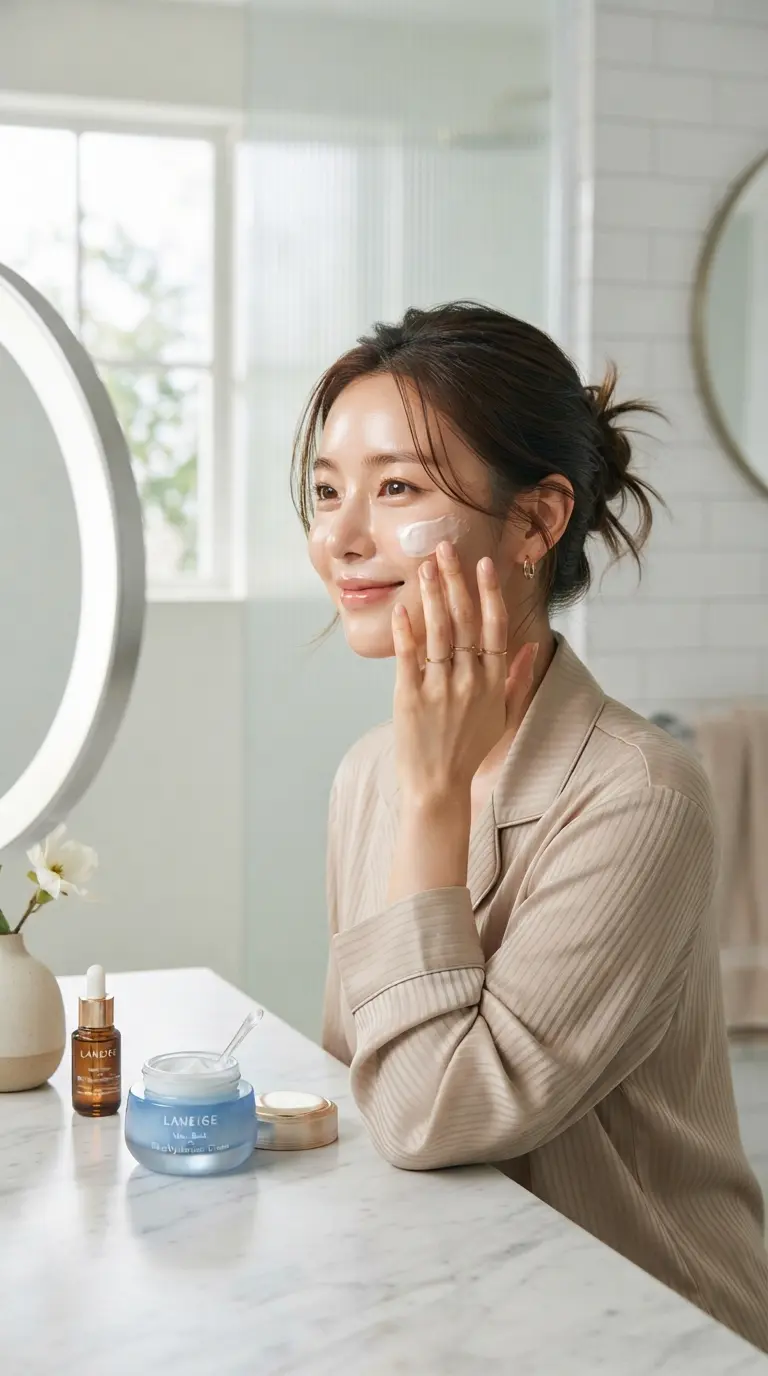
Moisturizer is one of the most important steps because it helps reduce moisture loss and supports the skin barrier.
Choose the texture based on your skin’s needs:
Oily skin: Lightweight gel or lotion textures can feel more comfortable.
Dry skin: Creamier, richer moisturizers may provide better comfort.
Combination skin: A balanced lotion or gel-cream can work well.




Sensitive skin: Look for a simple, fragrance-free formula if your skin is easily irritated.
Apply an appropriate amount evenly over your face and neck.
10. Finish With Sunscreen in the Morning
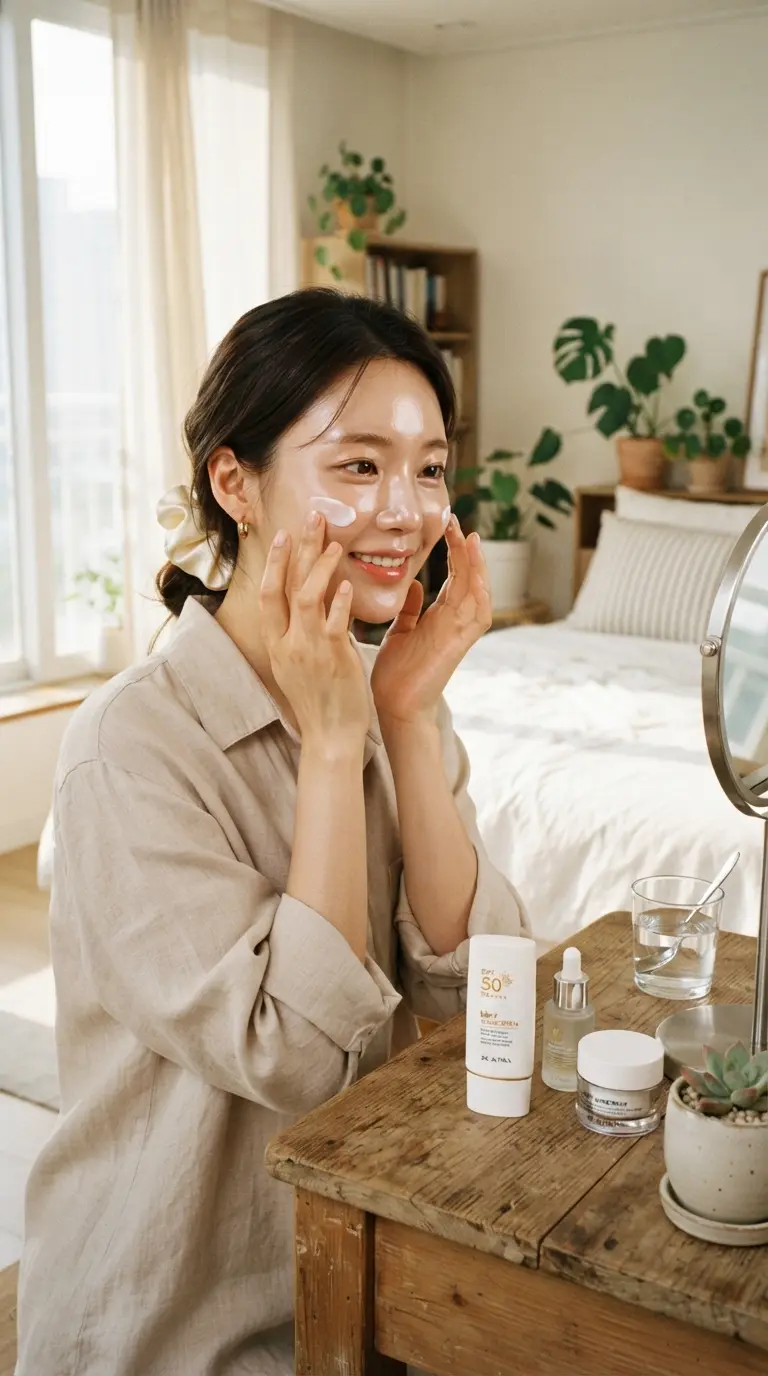
If you’re doing your routine during the daytime, sunscreen is the final step.
A broad-spectrum sunscreen helps protect exposed skin from UV radiation, which contributes to sunburn, pigmentation, and premature skin aging.
Apply sunscreen generously to the face, neck, ears, and other exposed areas. Reapply according to the product’s directions, especially when you’re outdoors, sweating, or spending extended time in the sun.
Look for: Broad-spectrum protection and at least SPF 30 for everyday use.
And remember: sunscreen is a daytime step, not a nighttime one.
Korean Skincare Routine: Morning vs. Night
You don’t necessarily need all ten steps twice a day.
Simple Morning Routine
Cleanser → Toner → Essence → Serum → Moisturizer → Sunscreen
If your skin is dry or sensitive, you may prefer simply rinsing with water or using a gentle cleanser in the morning.
Evening Routine
Oil Cleanser → Water-Based Cleanser → Toner → Essence → Serum → Eye Cream → Moisturizer
Add exfoliation or a sheet mask on the appropriate days.
How Often Should You Exfoliate?
Exfoliation is one of the steps you shouldn’t automatically perform every day.
For many people, once or twice a week is enough, while sensitive or easily irritated skin may need less frequent exfoliation.
Pay attention to signs of over-exfoliation, such as persistent dryness, stinging, redness, or increased sensitivity.
Do You Really Need All 10 Steps?
No. The 10-step routine is better understood as a menu of skincare steps rather than a strict rule.
A simple routine containing cleanser, moisturizer, and sunscreen can already provide an excellent foundation. You can then add toner, essence, serum, masks, or exfoliation depending on your individual needs.
The goal isn’t to use the most products possible. The goal is to use the right products consistently without overwhelming your skin.
How to Choose Products for Your Skin Type
For Oily Skin
Look for lightweight, non-greasy textures and avoid piling on too many heavy layers.
For Dry Skin
Prioritize hydration, gentle cleansing, and a moisturizer that helps prevent moisture loss.
For Sensitive Skin
Keep your routine simple and introduce new products one at a time. Fragrance-free products may be preferable if fragrance tends to irritate your skin.
For Combination Skin
You can adjust textures depending on different areas of your face rather than treating your entire face identically.
For Blemish-Prone Skin
Focus on gentle cleansing and carefully selected treatment ingredients rather than repeatedly scrubbing or drying out the skin.
Korean Skincare Layering Order
If you’re ever unsure which product goes first, a simple rule is:
Cleanse → Exfoliate → Hydrate → Treat → Moisturize → Protect
Generally, apply thinner, water-based products before thicker creams.
However, always follow the directions on individual products, especially when you’re using active ingredients.
Common Mistakes to Avoid
Using Every Step Every Day
More products don’t automatically mean healthier skin.
Exfoliating Too Frequently
Over-exfoliation can leave your skin irritated and uncomfortable.
Introducing Several New Products Together
If your skin reacts, you’ll have no idea which product caused the problem.
Skipping Sunscreen
A long skincare routine doesn’t replace daily UV protection.
Choosing Products Without Considering Your Skin
A product that works beautifully for one person may not suit another person’s skin.
Applying Too Much
Layering should feel comfortable, not heavy, sticky, or irritating.
Frequently Asked Questions
Is the Korean 10-step skincare routine good for beginners?
Yes, but beginners don’t need to start with all ten products. Starting with a basic cleanser, moisturizer, and sunscreen routine and gradually adding products is often easier.
Can I do the Korean skincare routine every day?
Some steps can be used daily, but exfoliators and sheet masks don’t necessarily need daily use. Your routine should depend on your skin type and the specific products you’re using.
Do I need essence and serum?
Not necessarily. Both can provide useful benefits, but they’re optional additions rather than absolute requirements.
Should I use sunscreen at night?
No. Sunscreen is intended for daytime UV protection. At night, focus on cleansing, treatment, and moisturizing.
What is the most important Korean skincare step?
There isn’t one universal step for everyone. Gentle cleansing, adequate moisturization, and daytime sun protection are excellent fundamentals, while targeted products can be added based on individual concerns.
Final Thoughts
The beauty of Korean skincare isn’t simply having ten products lined up on your bathroom shelf. It’s the idea of being intentional about what your skin actually needs.
Start with the basics, introduce new products slowly, and don’t feel pressured to complete all ten steps every morning and night. A consistent routine that suits your skin will usually be far more useful than an elaborate routine that causes irritation or becomes impossible to maintain.
If you want to try the classic approach, remember the order:
Oil cleanse → Water cleanse → Exfoliate → Toner → Essence → Serum → Sheet mask → Eye cream → Moisturizer → SPF
With the right products and a little consistency, you can build a Korean-inspired routine that feels simple, nourishing, and sustainable.
Don't miss the next one
Quick outfit ideas and beauty tips, straight to your inbox.