
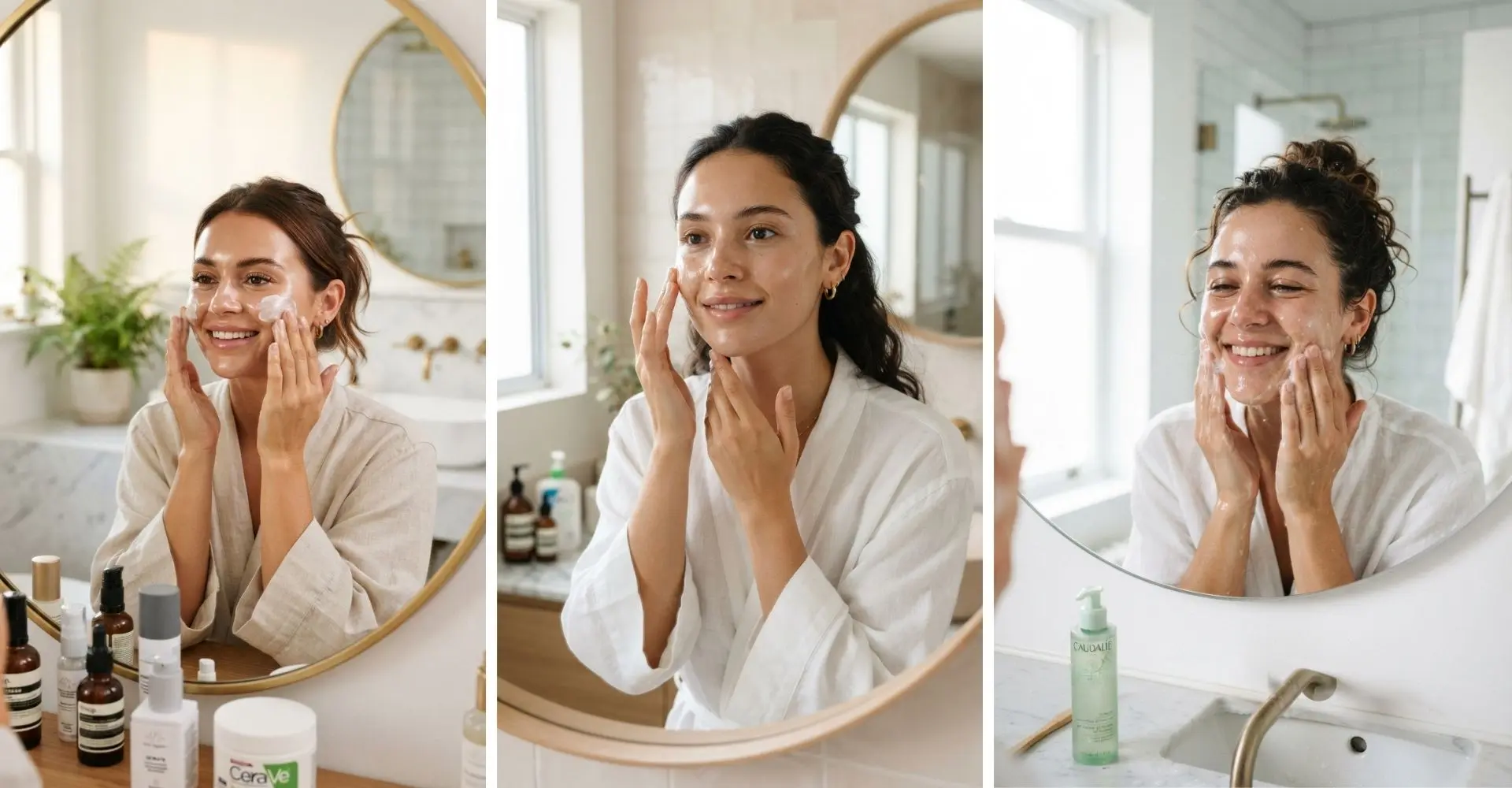
Starting a skincare routine can feel overwhelming when every product seems to promise brighter, smoother, clearer, or younger-looking skin. The good news is that you don’t need a shelf full of products to get started. A simple routine built around cleansing, moisturizing, and sun protection is enough for most beginners.
The key is understanding what your skin needs before adding extra products. Once you know your skin type and your main concerns, you can slowly introduce targeted ingredients without turning your routine into a complicated 10- or 12-step process.
First, Figure Out Your Skin Type
Before buying skincare products, take a few minutes to understand your skin. Your skin type can help you choose formulas that are comfortable and less likely to leave your face feeling overly dry, greasy, or irritated.
Dry Skin
Dry skin often feels tight after cleansing and may look flaky, rough, or dull. It generally benefits from gentle cleansers and richer moisturizing ingredients.
Oily Skin
Oily skin tends to produce more sebum, especially around the forehead, nose, and chin. Lightweight, non-comedogenic products are usually a comfortable choice.
Combination Skin
Combination skin has both oily and dry areas. You may notice extra shine around the T-zone while your cheeks feel normal or slightly dry.
Sensitive Skin
Sensitive skin can become red, itchy, burning, or irritated easily. Keeping your routine simple and choosing gentle, fragrance-free products can help reduce unnecessary irritation.
How to Tell What Your Skin Type Is
You don’t need complicated equipment to get a general idea of your skin type.
- Wash your face with a gentle cleanser.
- Pat your skin dry without rubbing.
- Leave your skin bare for about 15–20 minutes.
- Notice how your face feels and looks.
If your skin feels tight or looks flaky, it may be dry. If your entire face becomes noticeably shiny, you may have oily skin. If only your forehead, nose, and chin become oily while your cheeks remain comfortable or dry, you may have combination skin.
Remember that skin can change with weather, hormones, age, medications, and your environment, so don’t feel like you have to fit perfectly into one category.
The Best Basic Skincare Routine for Beginners
Once you’ve figured out what your skin generally needs, start with the essentials. You can always add more products later.
1. Start With a Gentle Cleanser
Cleansing removes sweat, excess oil, makeup, sunscreen, dirt, and other buildup from your skin.
Choose your cleanser according to how your skin feels:
- Dry skin: Look for gentle cream or hydrating cleansers.
- Oily skin: A lightweight gel or foaming cleanser may work well.
- Combination skin: Choose something that cleans effectively without leaving your cheeks tight.
- Sensitive skin: Look for a simple, fragrance-free cleanser.
You don’t need to scrub aggressively to get your face clean. Over-cleansing can leave your skin feeling stripped and uncomfortable.
For many people, cleansing in the evening is especially important because it removes the day’s sunscreen, makeup, sweat, and buildup. In the morning, use a gentle cleanser or simply rinse with water if your skin prefers it.
2. Apply Moisturizer
Moisturizer isn’t only for dry skin. Every skin type can benefit from maintaining a healthy moisture barrier.
If you have oily skin, choose a lightweight lotion or gel moisturizer. If your skin is dry, a richer cream may feel more comfortable.
Look for ingredients such as:
- Ceramides
- Glycerin
- Hyaluronic acid
- Squalane
- Panthenol
Applying moisturizer while your skin is slightly damp can help reduce moisture loss.
3. Never Skip Sunscreen in the Morning
If you’re building a beginner skincare routine, sunscreen deserves a permanent place in it.
Choose a broad-spectrum SPF 30 or higher and apply it as the final step of your morning skincare routine. Sunscreen helps protect your skin from UV exposure, which contributes to premature skin aging and uneven pigmentation.
Look for a formula that feels comfortable enough to use every day. If you’re prone to breakouts, a non-comedogenic formula may be preferable.
Remember to reapply when you’re spending extended time outdoors, especially after sweating or swimming.
Your Simple Morning Routine
You don’t need ten products before leaving the house.
A beginner-friendly morning routine can look like this:
Cleanser → Optional treatment → Moisturizer → Sunscreen
If your skin is already happy with cleanser, moisturizer, and SPF, there’s no need to add more just for the sake of having more steps.
Your Simple Night Routine
Your evening routine can be equally straightforward:
Cleanser → Treatment if needed → Moisturizer
If you wear makeup or water-resistant sunscreen, you may need an additional cleansing step to remove it thoroughly.
Want to Add More Steps? Try These
Once your basic routine feels comfortable and consistent, you can introduce additional products one at a time.
4. Toner
Toners aren’t essential for everyone, but some can add hydration or provide gentle exfoliation.
Hydrating toners can be useful if your skin feels dry or dehydrated. Exfoliating toners containing acids may help with clogged pores or uneven texture, but beginners should introduce them slowly.
Don’t expect toner to permanently shrink your pores. Pore appearance is influenced by factors such as genetics, oil production, and skin structure.
5. Essence
An essence is generally a lightweight, hydrating layer used after cleansing and before heavier treatments.
Many formulas contain humectants such as glycerin or hyaluronic acid. If your basic routine is working well, an essence is optional rather than necessary.
6. Add a Targeted Serum
Serums are useful when you have a specific concern you want to address.
Some commonly used ingredients include:
- Vitamin C: Supports brighter-looking, more even-toned skin.
- Niacinamide: Can support the skin barrier and help with excess oil and uneven appearance.
- Hyaluronic acid: Helps attract and retain moisture.
- Azelaic acid: Often used for blemishes and uneven pigmentation.
- Retinoids: Commonly used for acne and signs of skin aging.
- Alpha arbutin: Often included in products targeting the appearance of dark spots.
- AHAs/BHAs: Exfoliating acids that can help with texture and congestion.
Don’t start several active ingredients at once. Introduce one product at a time so you can tell how your skin reacts.
7. Treat Yourself to a Sheet Mask
Sheet masks are optional and can be a relaxing addition to your routine.
Hydrating masks can give your skin a temporary boost of moisture and leave it feeling soft and refreshed. They’re more of a skincare extra than a necessary everyday step.
8. Eye Cream Is Optional
The skin around your eyes is delicate, but you don’t necessarily need a separate eye cream.




If you enjoy using one for hydration or puffiness, you can add it to your routine. Otherwise, a gentle facial moisturizer may be enough for the surrounding area, provided it is suitable for that use.
Beginner Skincare Routines for Different Concerns
Once you’ve mastered the basics, you can adjust your routine around your biggest skin concern.
Skincare Routine for Fine Lines and Aging Skin
A simple routine for aging skin can focus on protecting the skin and supporting its barrier.
Helpful ingredients may include:
- Broad-spectrum sunscreen
- Retinoids
- Vitamin C
- Niacinamide
- Ceramides
- Peptides
A beginner approach could be:
Morning: Cleanser → Vitamin C or niacinamide → Moisturizer → SPF
Night: Cleanser → Retinoid on appropriate nights → Moisturizer
Start retinoids gradually because they can cause dryness or irritation when introduced too quickly.
Skincare Routine for Acne-Prone Skin
Acne-prone skin can benefit from a routine that keeps pores clean without aggressively stripping the skin.
Ingredients commonly used for acne include:
- Salicylic acid
- Benzoyl peroxide
- Azelaic acid
- Retinoids
- Niacinamide
A basic routine could be:
Morning: Gentle cleanser → Lightweight moisturizer → SPF
Night: Cleanser → One acne-focused treatment → Moisturizer
Avoid piling several strong acne treatments onto your skin at once. More active ingredients don’t automatically mean faster results.
Skincare Routine for Dark Spots and Hyperpigmentation
Dark spots can develop for many reasons, including acne, inflammation, sun exposure, and skin injuries. Finding the trigger is an important part of treating them.
Ingredients commonly used for uneven pigmentation include:
- Sunscreen
- Vitamin C
- Azelaic acid
- Alpha arbutin
- Retinoids
- AHAs and BHAs
Daily sun protection is particularly important because UV exposure can make pigmentation more noticeable.
Skincare Routine for Sensitive Skin
When your skin is easily irritated, simplicity is your best friend.
Focus on gentle cleansing, moisturizing, and consistent sun protection before experimenting with strong treatments.
Ingredients that may work well in gentle routines include:
- Ceramides
- Colloidal oatmeal
- Squalane
- Hyaluronic acid
- Panthenol
- Niacinamide
Consider avoiding heavily fragranced products and introduce new products individually.
Things Beginners Should Know Before Starting Skincare
Don’t Introduce Everything at Once
Buying five new serums and applying them together makes it difficult to know which product is helping—or causing irritation.
Add products gradually.
Patch Test New Products
Whenever possible, test a new product on a small area first. This is particularly important if you have sensitive or reactive skin.
More Products Don’t Mean Better Skin
A long routine isn’t automatically more effective than a short one.
Your basic routine should be sustainable enough that you can follow it consistently.
Be Careful With Strong Actives
Retinoids and exfoliating acids can be useful, but they can also irritate skin when overused.
Start slowly and follow the directions for the specific product you’re using.
Pregnancy Requires Extra Care
Some skincare ingredients, particularly topical retinoids, are generally avoided during pregnancy. If you’re pregnant, trying to conceive, or breastfeeding, check with your healthcare professional before introducing treatment products.
Don’t Ignore Persistent Skin Problems
If you’re dealing with severe acne, persistent redness, eczema, psoriasis, painful irritation, or another ongoing skin problem, a dermatologist can help identify the underlying issue and recommend appropriate treatment.
How to Build Your Routine Without Getting Overwhelmed
If you’re completely new to skincare, don’t start with a complicated routine.
Begin with these three products:
Morning:
- Cleanser
- Moisturizer
- Sunscreen
Night:
- Cleanser
- Moisturizer
Follow that routine consistently before adding targeted treatments.
Once your skin is comfortable with the basics, introduce one additional product based on your biggest concern.
The Most Important Skincare Rule: Stay Consistent
Skincare isn’t about getting perfect skin overnight. Your results can vary depending on your skin type, products, lifestyle, environment, and the concern you’re trying to address.
Instead of constantly switching products, give your routine time to settle. Pay attention to how your skin feels, introduce new products gradually, and don’t be afraid to simplify when something causes irritation.
The best beginner skincare routine is the one that fits your skin and your lifestyle well enough that you can actually stick with it.
Start simple, protect your skin, add products slowly, and let consistency do the work.
Don't miss the next one
Quick outfit ideas and beauty tips, straight to your inbox.