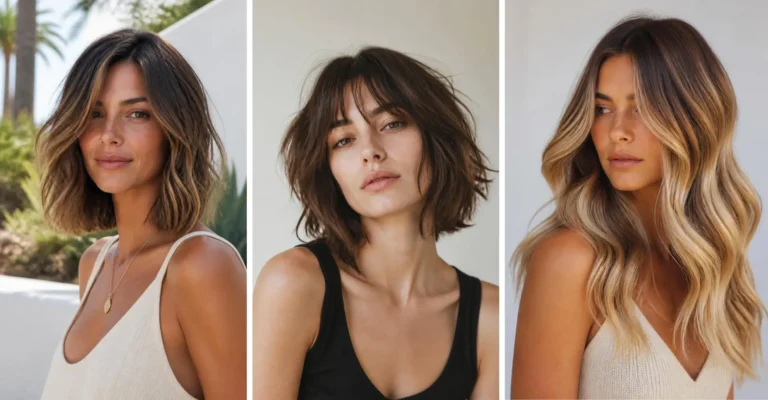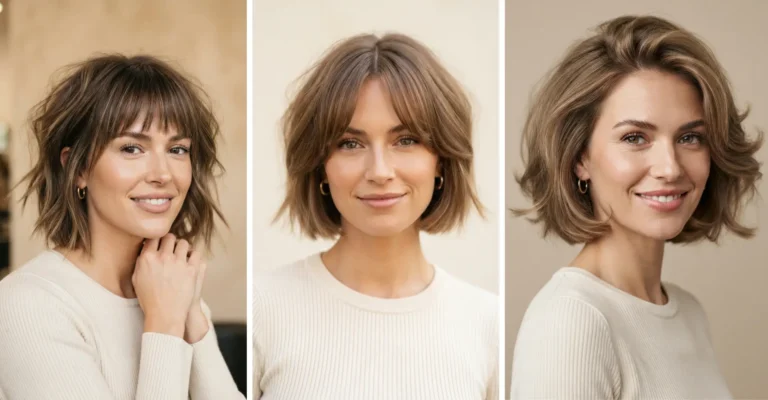
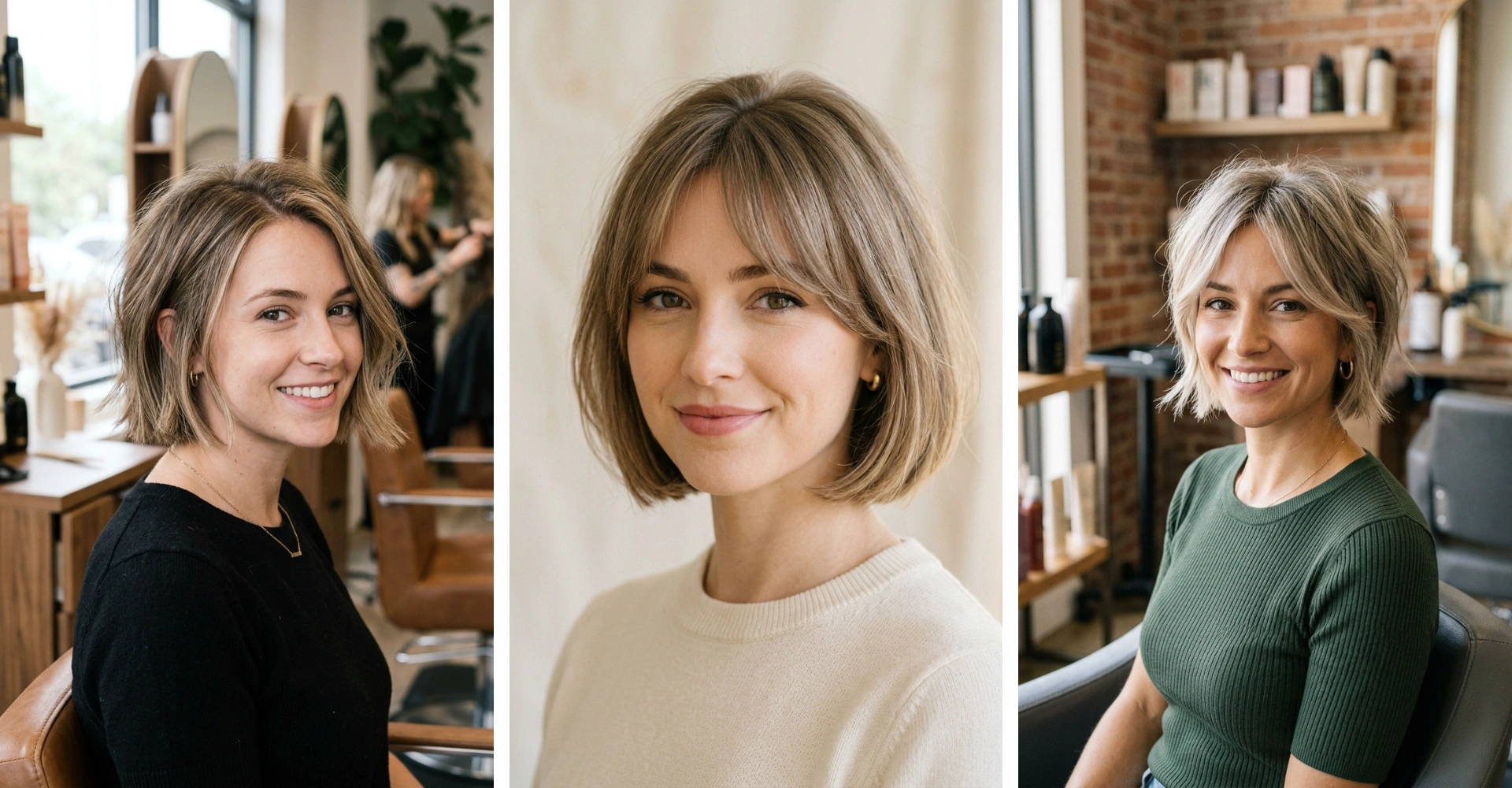
If you have thin or fine hair, the right short bob can make a noticeable difference. A well-shaped cut gives your strands a stronger outline, adds movement, and helps your hair appear thicker without relying on complicated styling.
The trick is choosing a bob with the right amount of structure. Strong ends, smart graduation, and carefully placed layers can create volume while keeping fine strands from looking sparse or flat.
In this roundup, you’ll find short bob hairstyles made for thin fine hair, including sleek, blunt, textured, stacked, and softly layered options. Each idea includes a simple styling tip to help you get more body and shape from your haircut.
1. Blunt Chin-Length Bob

A blunt chin-length bob is a simple way to give fine hair a denser appearance. The clean, straight perimeter keeps the ends looking substantial instead of wispy. Ask your stylist for a sharp baseline with very little layering. For styling, smooth the hair with a round brush and tuck one side behind your ear for an effortless finish.
2. Stacked Bob
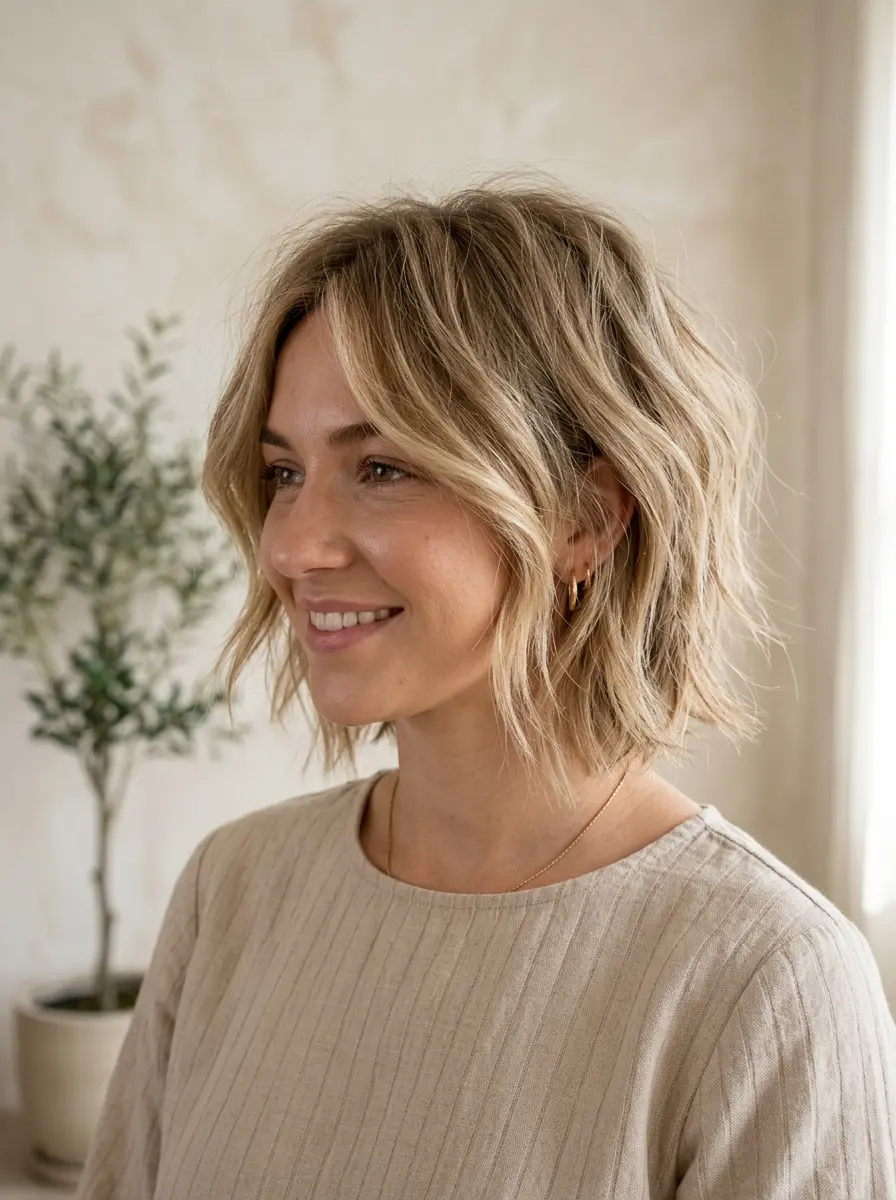
A stacked bob creates extra shape through the back while keeping the front slightly longer. The graduated layers underneath help lift the crown and prevent fine hair from sitting completely flat. Ask for a clean neckline with soft stacking rather than an overly dramatic wedge. A round brush can quickly enhance the built-in volume.
3. Deep Side-Part Bob
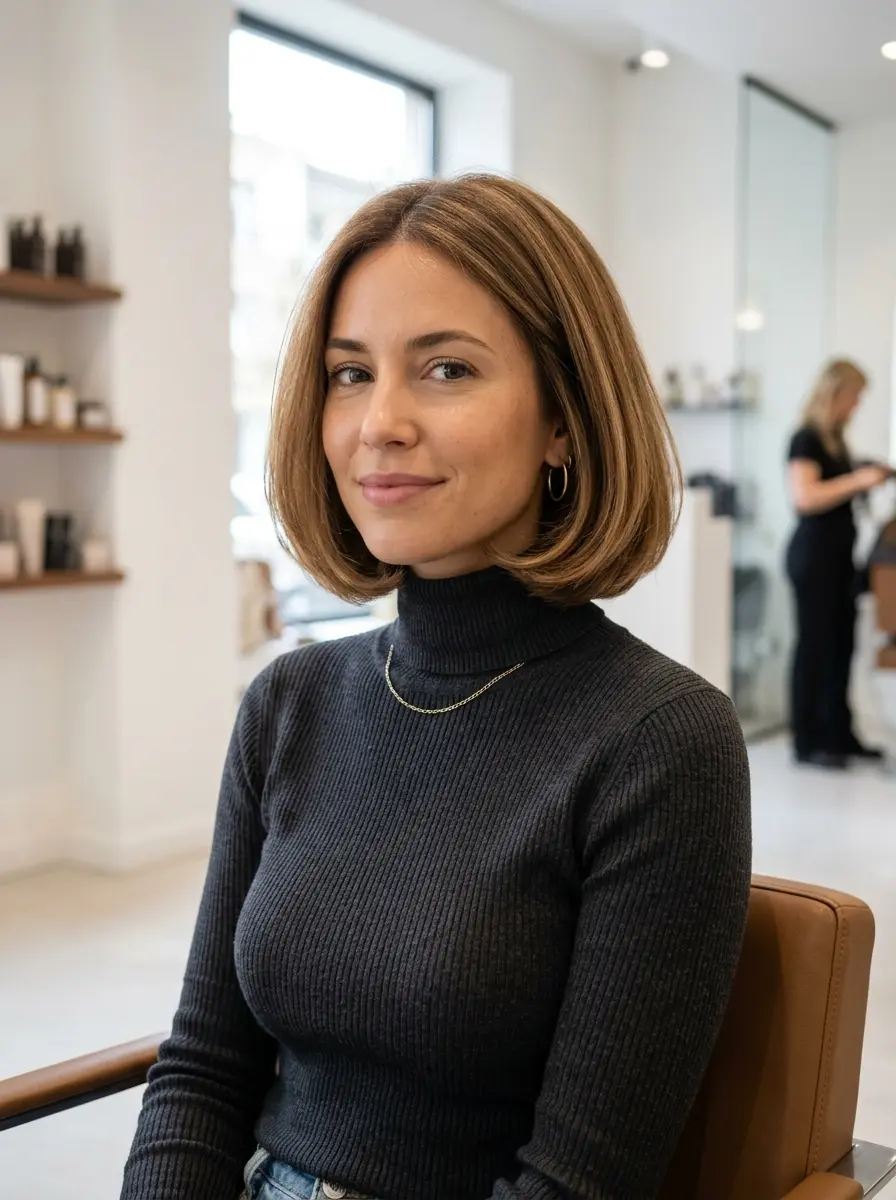
A deep side part is an easy trick for adding visible fullness to fine hair. Moving the part creates more height on one side while giving the front a fuller appearance. Keep the bob around jaw length or slightly longer, then use a lightweight mousse at the roots before blow-drying for extra lift.
4. Glass Hair Bob
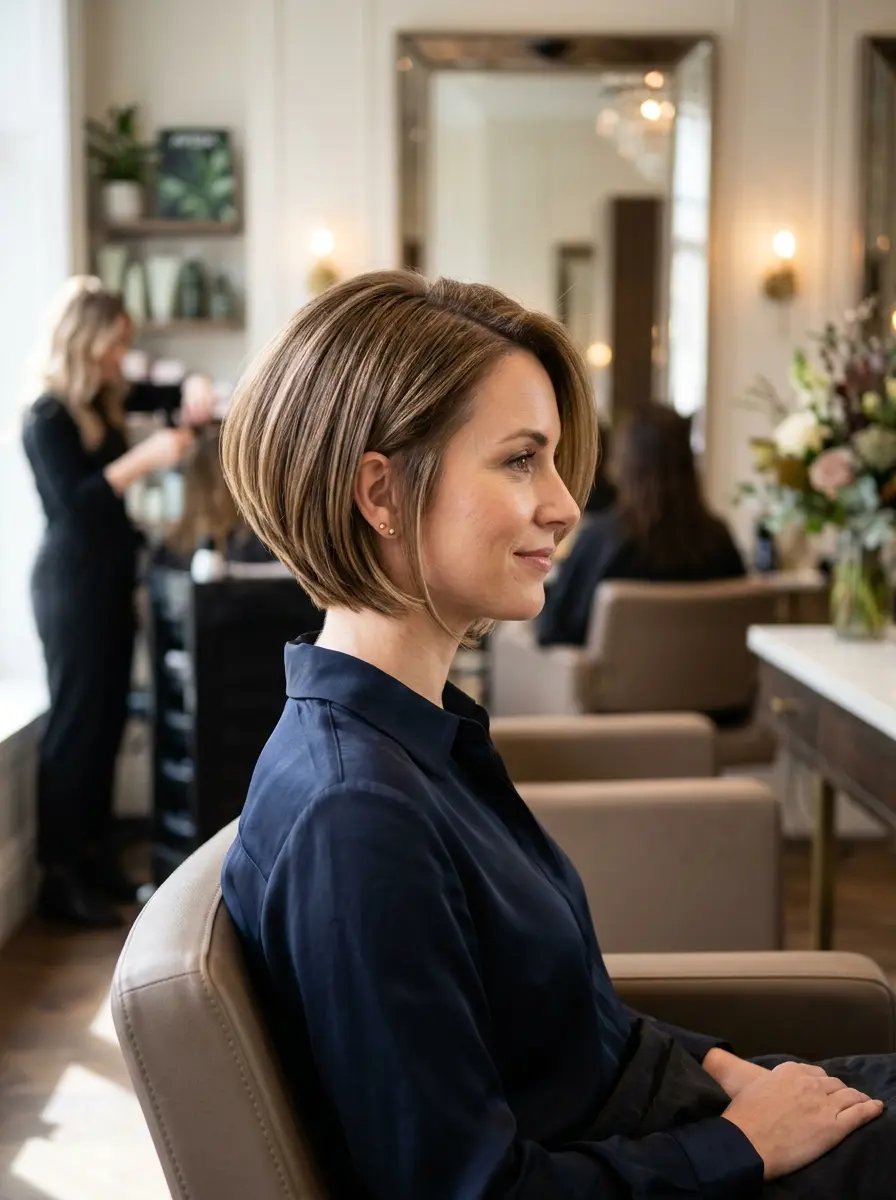
If you prefer polished hairstyles, the glass hair bob gives fine strands a sleek and substantial finish. The secret is keeping the ends clean and even rather than heavily textured. Apply heat protectant, straighten small sections, and finish with a tiny amount of shine serum. The smooth surface makes the haircut look crisp and intentional.
5. Bixie Bob

The bixie combines the shape of a bob with the lighter feel of a pixie, making it a great option when you want short hair with movement. Soft layers around the crown create lift without removing too much density. Work a small amount of volumizing mousse through damp roots and rough-dry for an airy, fuller finish.
6. Graduated Bob

A graduated bob adds weight toward the back while creating a naturally lifted shape around the crown. This makes thin hair look more structured from different angles. Ask your stylist for gentle graduation rather than a harsh stacked effect. Blow-dry the roots upward with a small round brush to emphasize the shape.
7. Soft Layered Bob
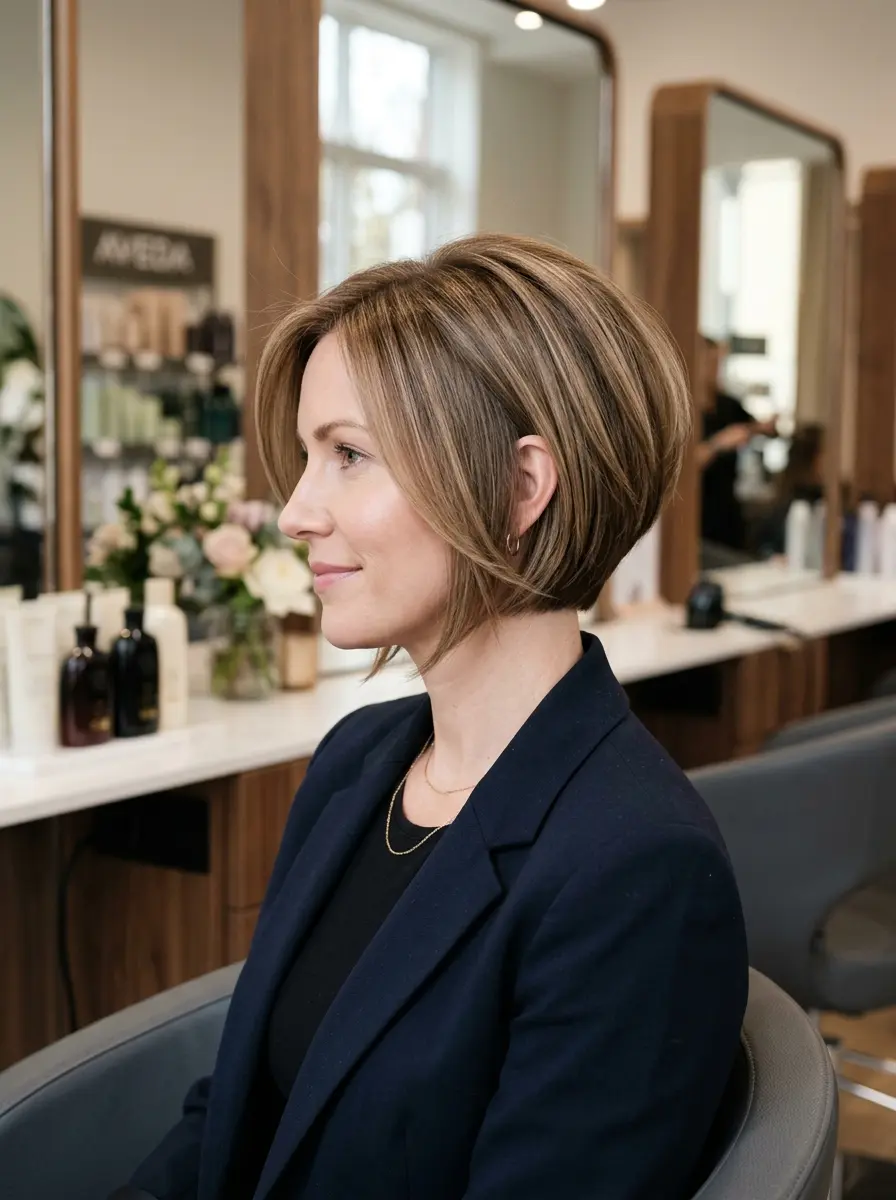
Soft layers can give fine hair movement without making the ends appear thin. Keep the layering subtle and concentrated around the upper sections while maintaining a stronger perimeter. Blow-dry the top forward first, then sweep it backward once dry. This simple technique can create a soft boost at the crown.
8. Italian Bob
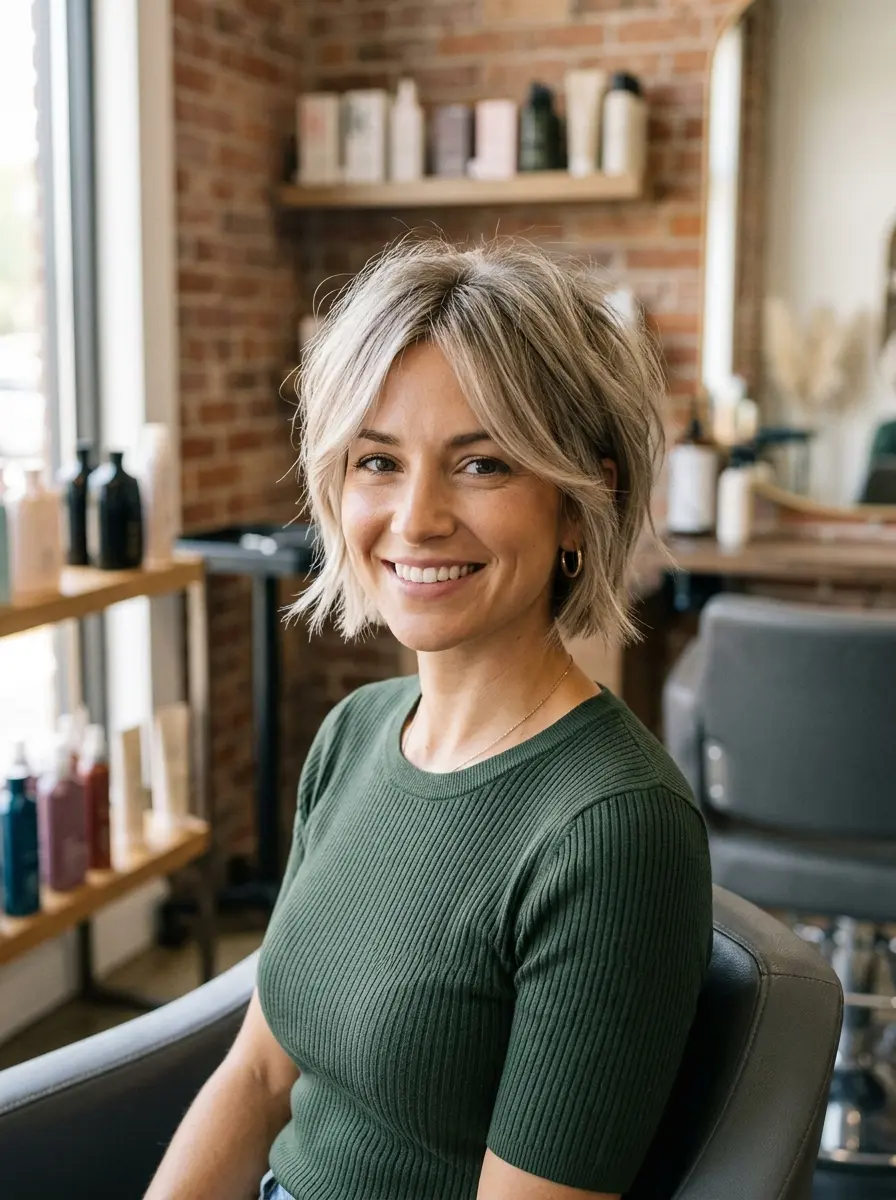
The Italian bob has a rounded, slightly fuller silhouette that works beautifully with fine hair. Its strong shape helps the ends look thicker while a gentle bend adds movement. Ask for minimal internal layering and a clean baseline. Use a round brush while blow-drying to create that smooth, bouncy finish.
9. Textured Shaggy Bob
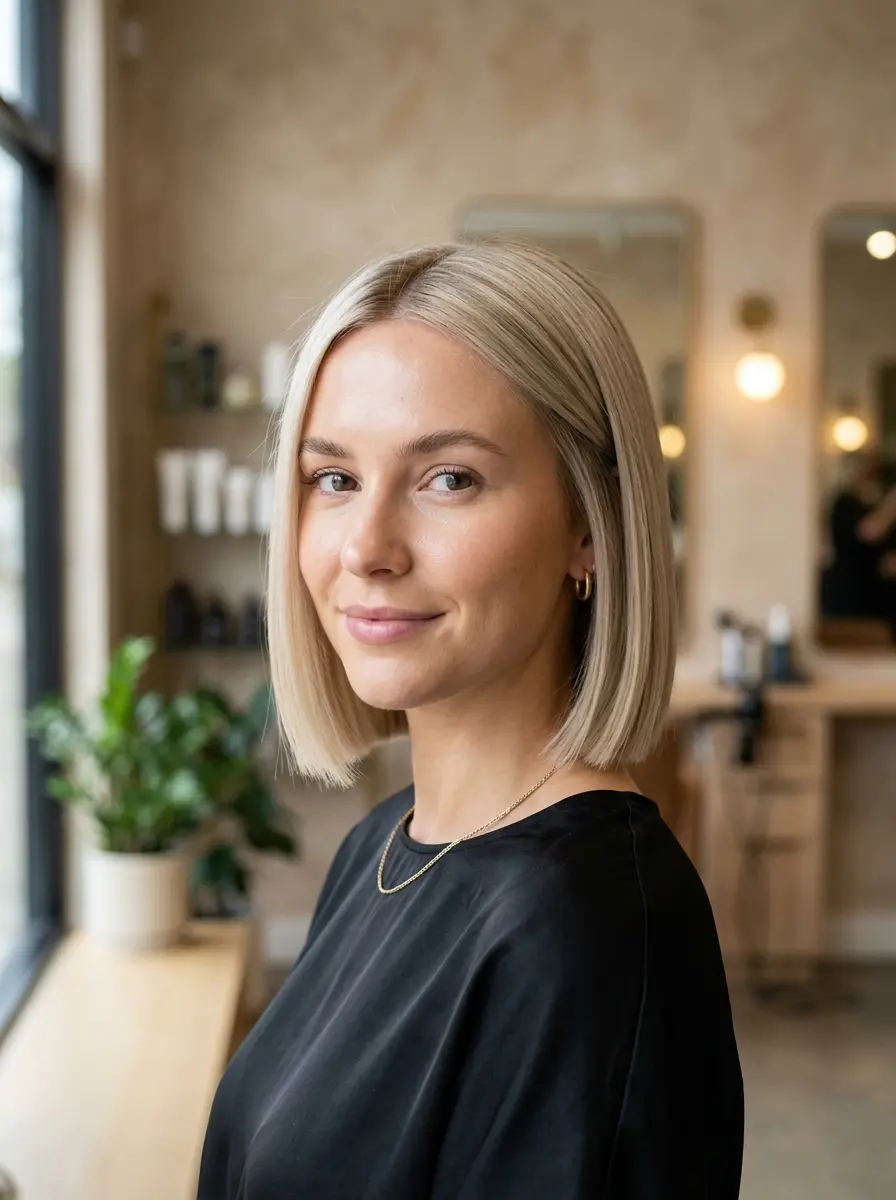
A textured shaggy bob gives fine hair a deliberately tousled appearance. Piecey ends and light internal texture make the strands look more dimensional without requiring heavy layering. Ask for point cutting rather than aggressive thinning. Add a small amount of texturizing cream to damp hair, scrunch, and let it dry naturally.
10. Short Blunt Bob

A short blunt bob puts the focus directly on the ends, making them appear noticeably thicker. The shorter length also removes some of the weight that can pull fine hair downward. Keep the perimeter strong and avoid excessive layers. For a polished finish, lightly straighten the ends and tuck one side behind the ear.
11. Wispy Feathered Fringe Bob
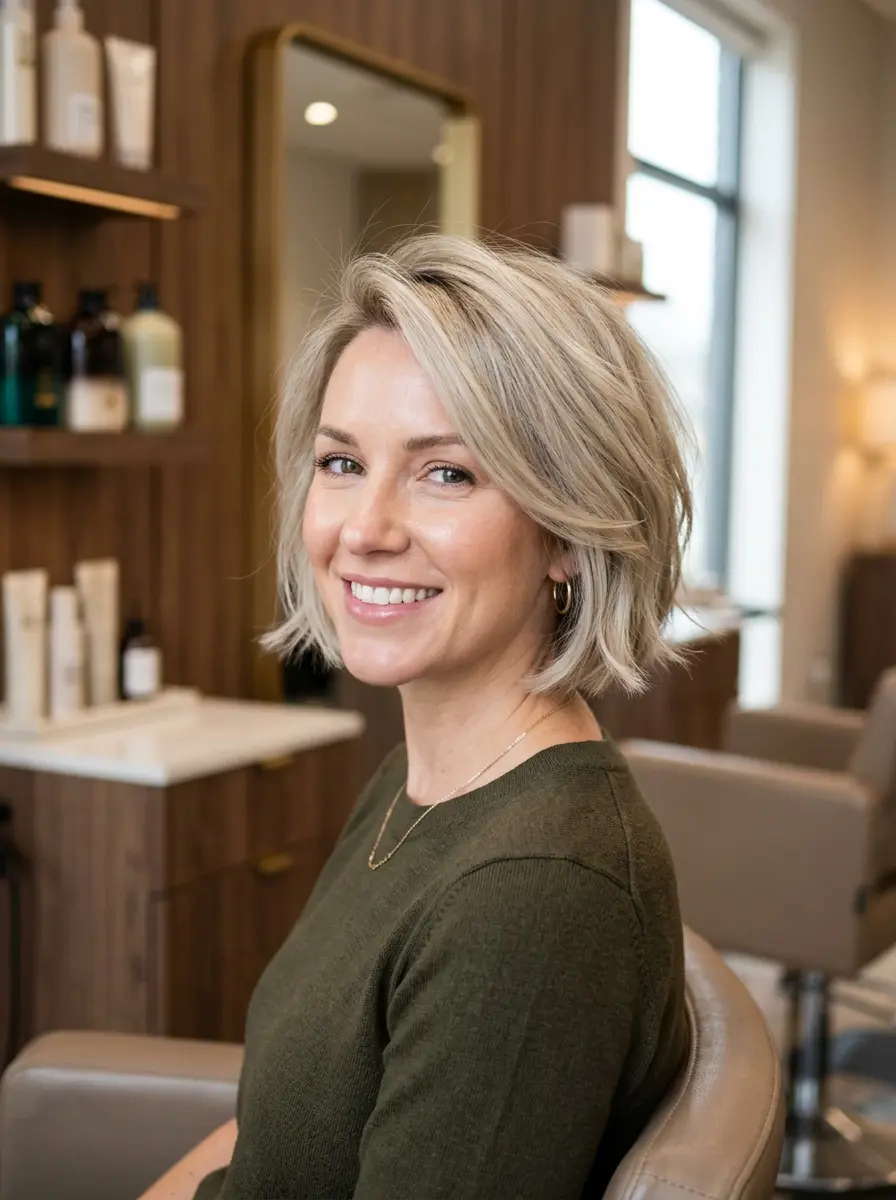
A feathered fringe brings softness around the face while allowing the rest of the bob to maintain its density. Keep the bangs slightly longer at the sides so they blend naturally into the haircut. Use a small round brush to shape the fringe outward, while allowing the rest of the bob to keep a relaxed finish.
12. Sleek Side-Swept Bob

A side-swept bob creates movement without sacrificing the appearance of fullness. Keeping the main length relatively even helps the ends look dense, while the gentle sweep adds shape around the face. Apply a lightweight smoothing cream and blow-dry with a flat brush. Finish with a flexible spray to hold the shape.
13. Jaw-to-Chin Bob
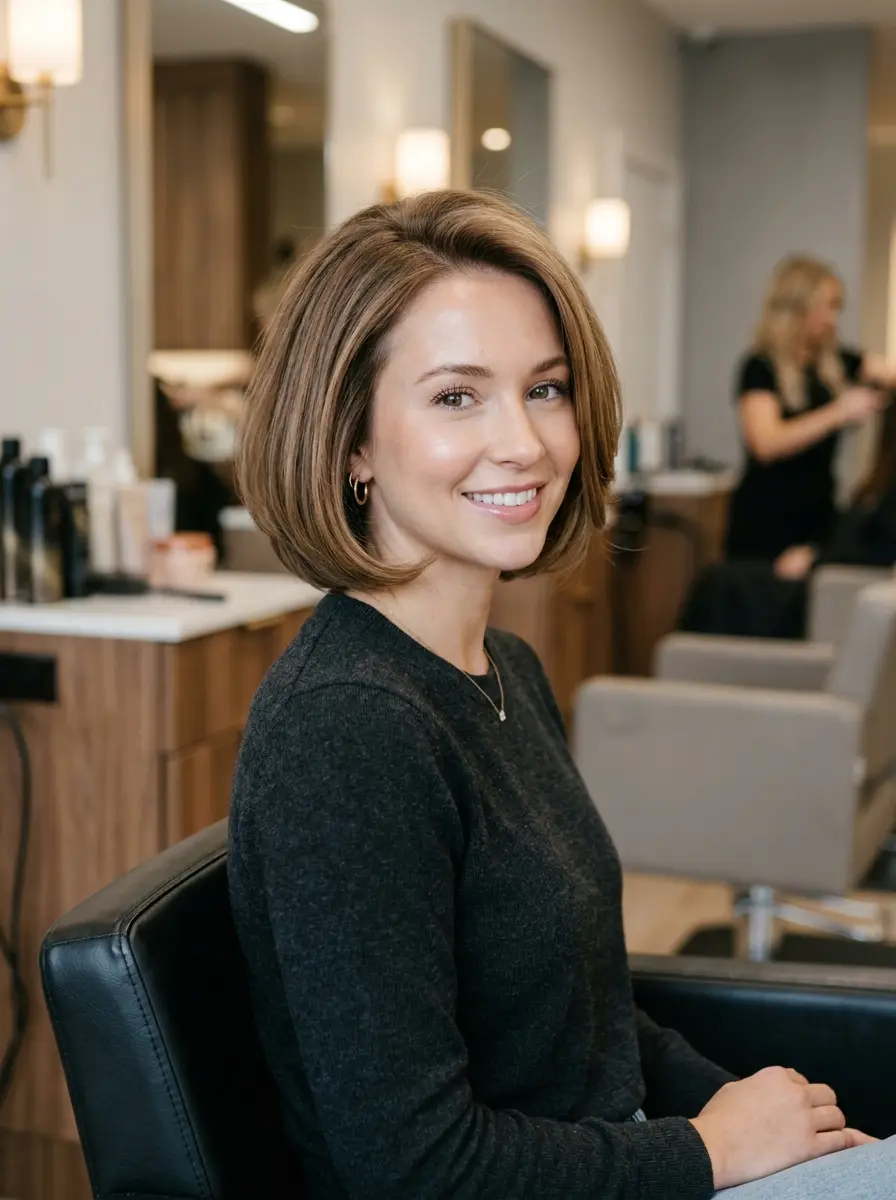
This in-between length works especially well when you want fine hair to look thicker around the perimeter. The cut lands between the jaw and chin, giving the ends a compact and fuller appearance. Keep the baseline blunt and add only a subtle side sweep. Root spray before drying can help prevent flatness.

14. Razor-Cut Bob
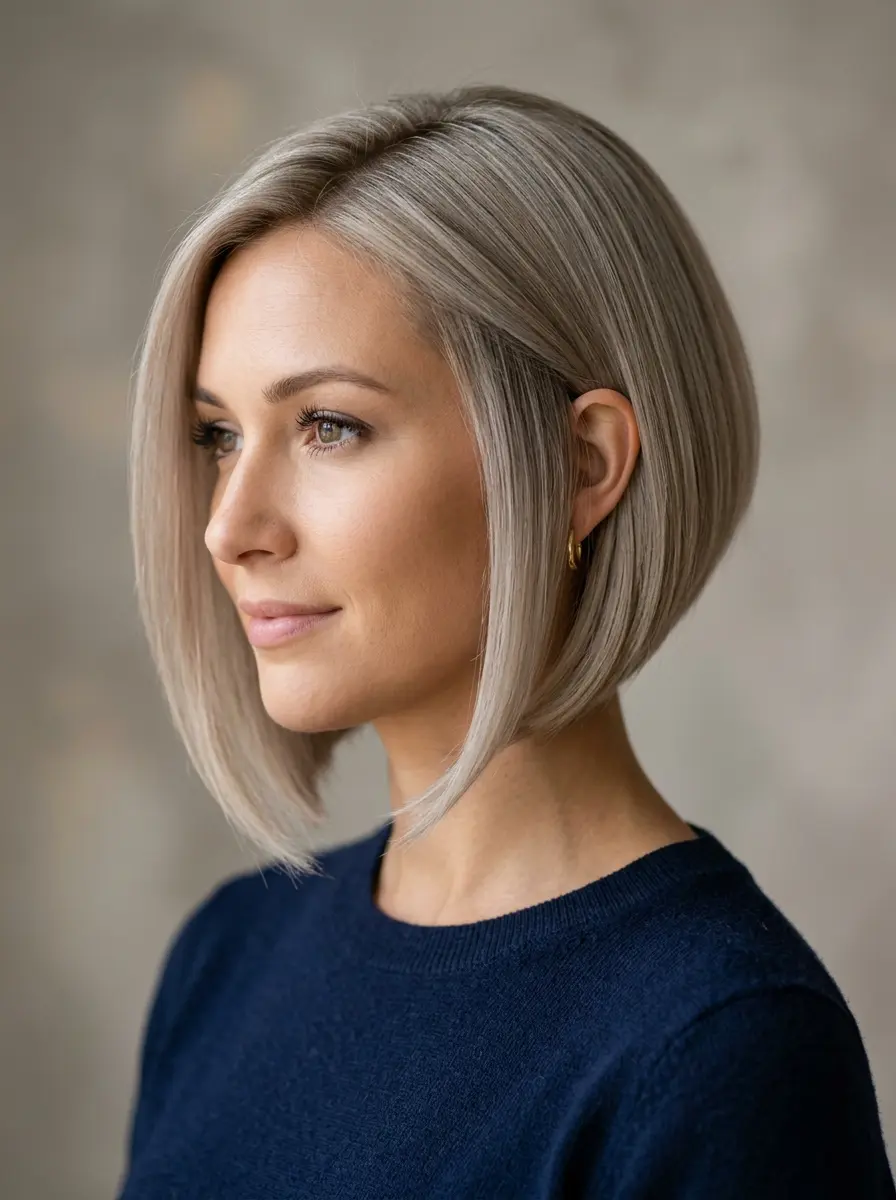
A razor-cut bob can create soft movement while still looking full when the texture is controlled. The key is avoiding excessive razoring at the ends. Ask your stylist to keep the baseline solid and add light surface texture instead. A little dry shampoo at the roots can give the finished cut extra grip and airy volume.
15. Chin-Length Bob With Curtain Bangs
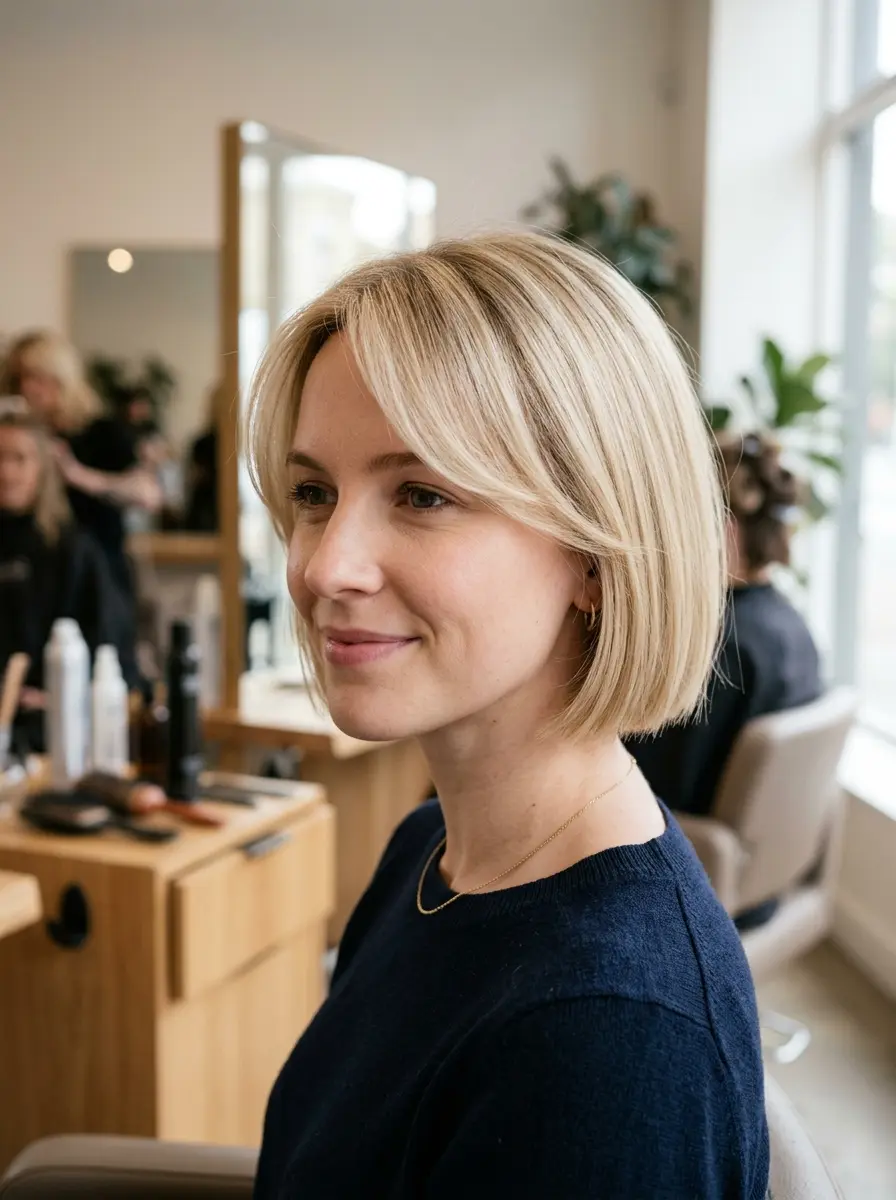
Curtain bangs can add width and softness around the face while a chin-length bob keeps the overall shape compact. Ask for longer bangs that blend into the sides instead of very short fringe. Blow-dry the bangs away from your face with a round brush, then lightly smooth the ends for a soft, lifted finish.
16. Short Layered Bob

A short layered bob is useful when your main concern is flatness around the crown. Light layers can encourage movement while the lower section remains full enough to create a stronger outline. Ask for soft layering rather than heavily chopped pieces. Blow-dry the crown forward, then flip it back for a quick volume boost.
17. A-Line Bob
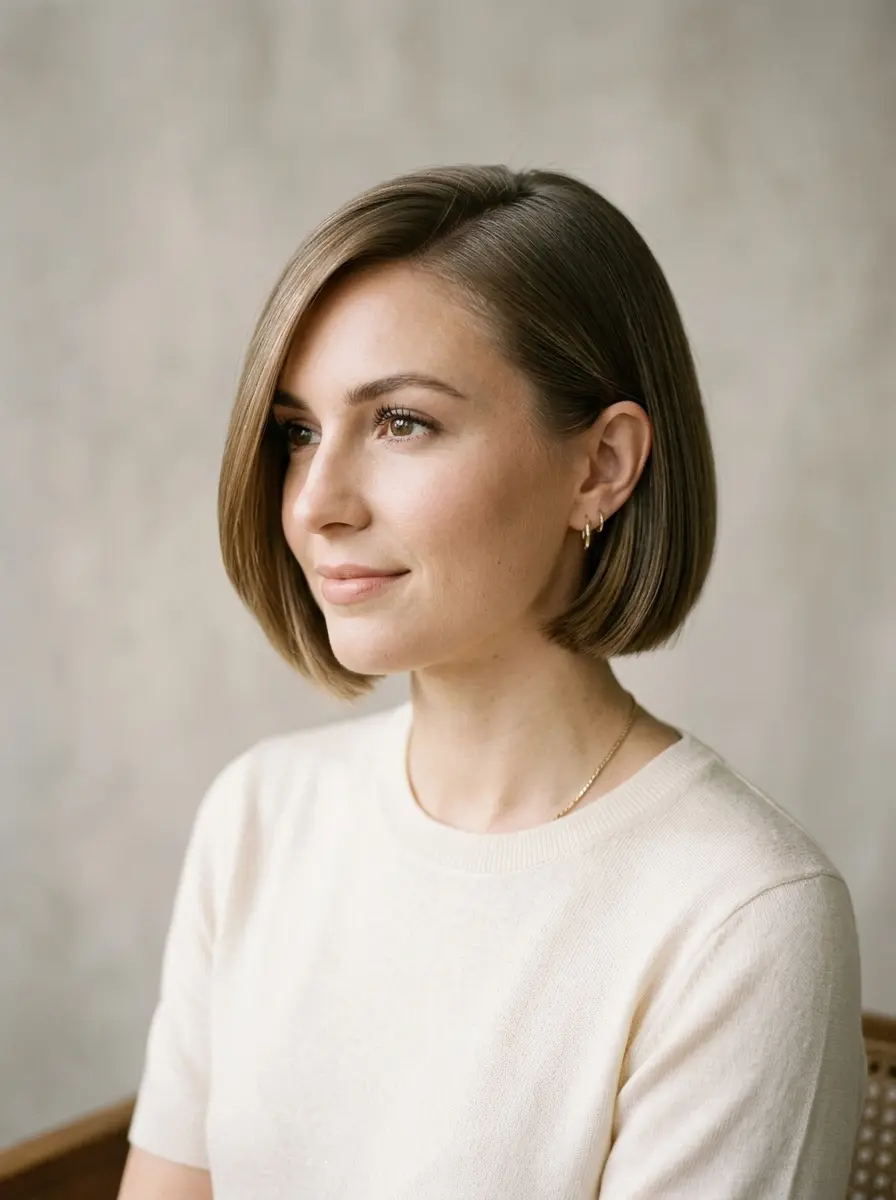
An A-line bob is shorter at the back and gradually becomes longer toward the chin, creating an attractive angled silhouette. The shape naturally gives fine hair more structure while framing the face. Ask for subtle beveling around the ends. A round brush can bend the bottom slightly inward and make the perimeter appear fuller.
18. Razor-Textured Bob With Strong Ends

This updated take on a razor bob combines movement with a deliberately solid baseline. Light texture through the surface prevents fine hair from looking too flat, while the stronger ends preserve density. Ask your stylist to texture only where needed. Finish with a lightweight styling cream and gently tousle the ends with your fingers.
19. Rounded Volume Bob
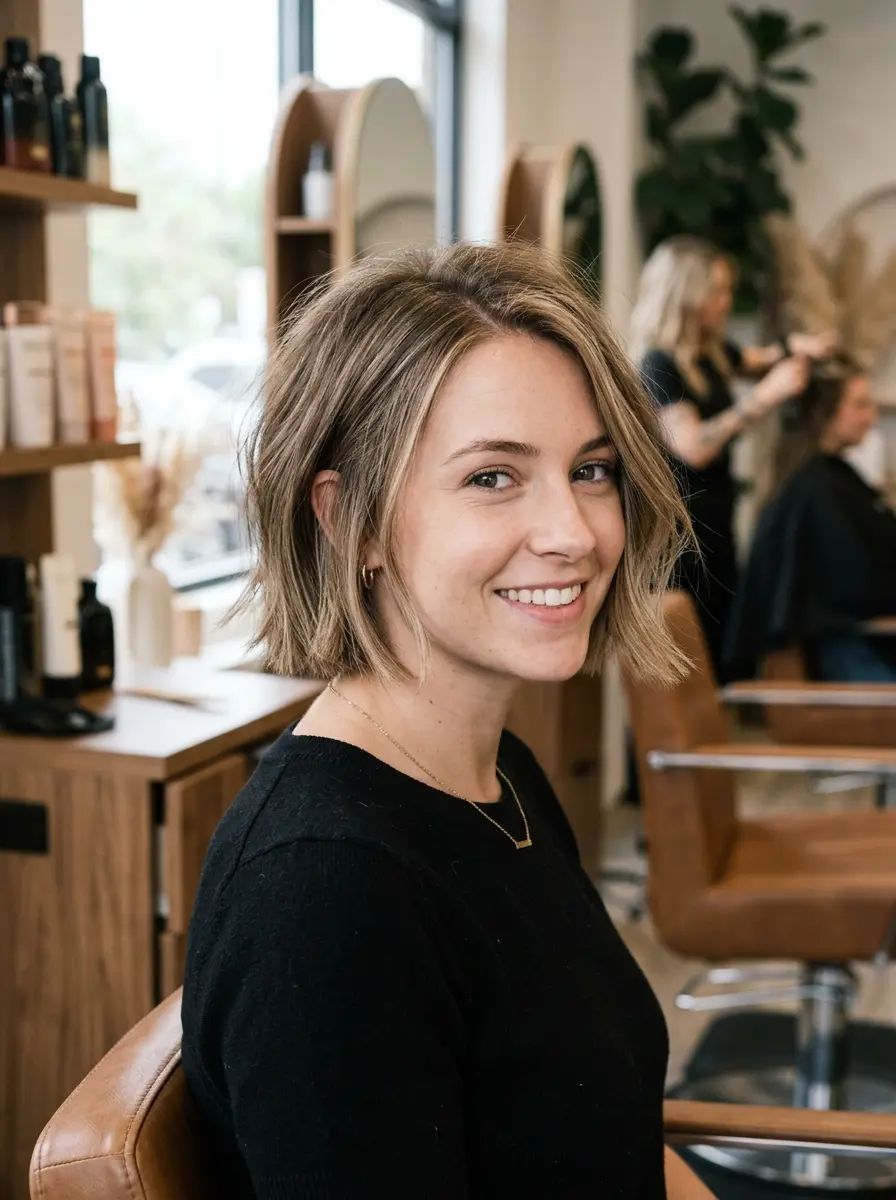
A rounded volume bob is a fresh option when you want short hair with a soft, lifted silhouette. The shape stays slightly fuller around the crown and sides while the ends curve inward toward the face. Ask for subtle graduation underneath and a clean outer line. Blow-dry with a medium round brush, lifting each section away from the scalp before rolling the ends under.
FAQ: Short Bob Hairstyles for Thin Fine Hair
What short bob makes thin hair look thicker?
Blunt and slightly graduated bobs are excellent choices because they keep the ends looking strong and dense. Avoid excessive thinning at the perimeter if your hair is already sparse.
Are layers good for thin fine hair?
Yes, but they should be used strategically. Soft layers around the crown can create lift and movement, while too many short layers can make the ends look thinner.
What is the best bob length for fine hair?
Chin-length, jaw-length, and shorter bobs often work well because they remove excess weight and help the hair maintain its shape. The ideal length also depends on your face shape and natural texture.
How can I style a short bob for more volume?
Start with a lightweight mousse or root-lifting spray on damp hair. Blow-dry the roots upward with a round brush, then finish with a small amount of flexible texture spray rather than heavy oils.
How often should I trim a short bob?
A trim every 6 to 8 weeks can help maintain the shape and keep the ends looking clean. This is especially helpful for fine hair because split or uneven ends can make the haircut appear less dense.
Wrap-Up
The right short bob can make thin fine hair look more structured, lifted, and noticeably fuller. Whether you prefer a sharp blunt bob, a soft layered shape, a textured cut, or a stacked style, focus on strong ends and controlled layering.
For easy everyday styling, blunt and graduated bobs are simple to maintain. If you want more movement, try a textured or softly layered version. Keep your trims regular, avoid over-thinning the ends, and choose a shape that works naturally with your hair.
Which style would you try first: a sleek blunt bob, a lifted stacked cut, or a textured short bob?
Don't miss the next one
Quick outfit ideas and beauty tips, straight to your inbox.