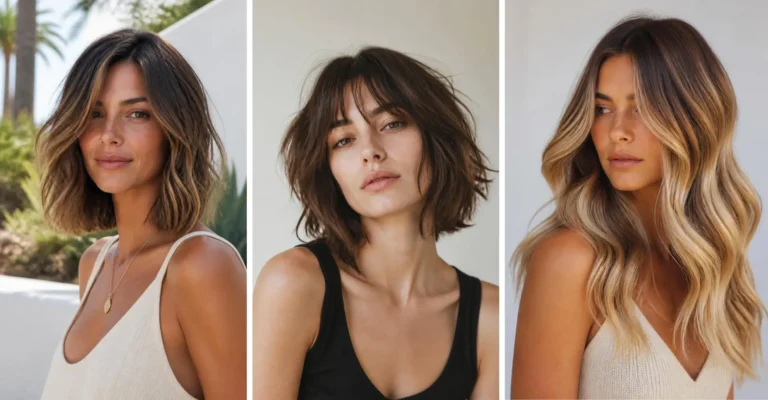
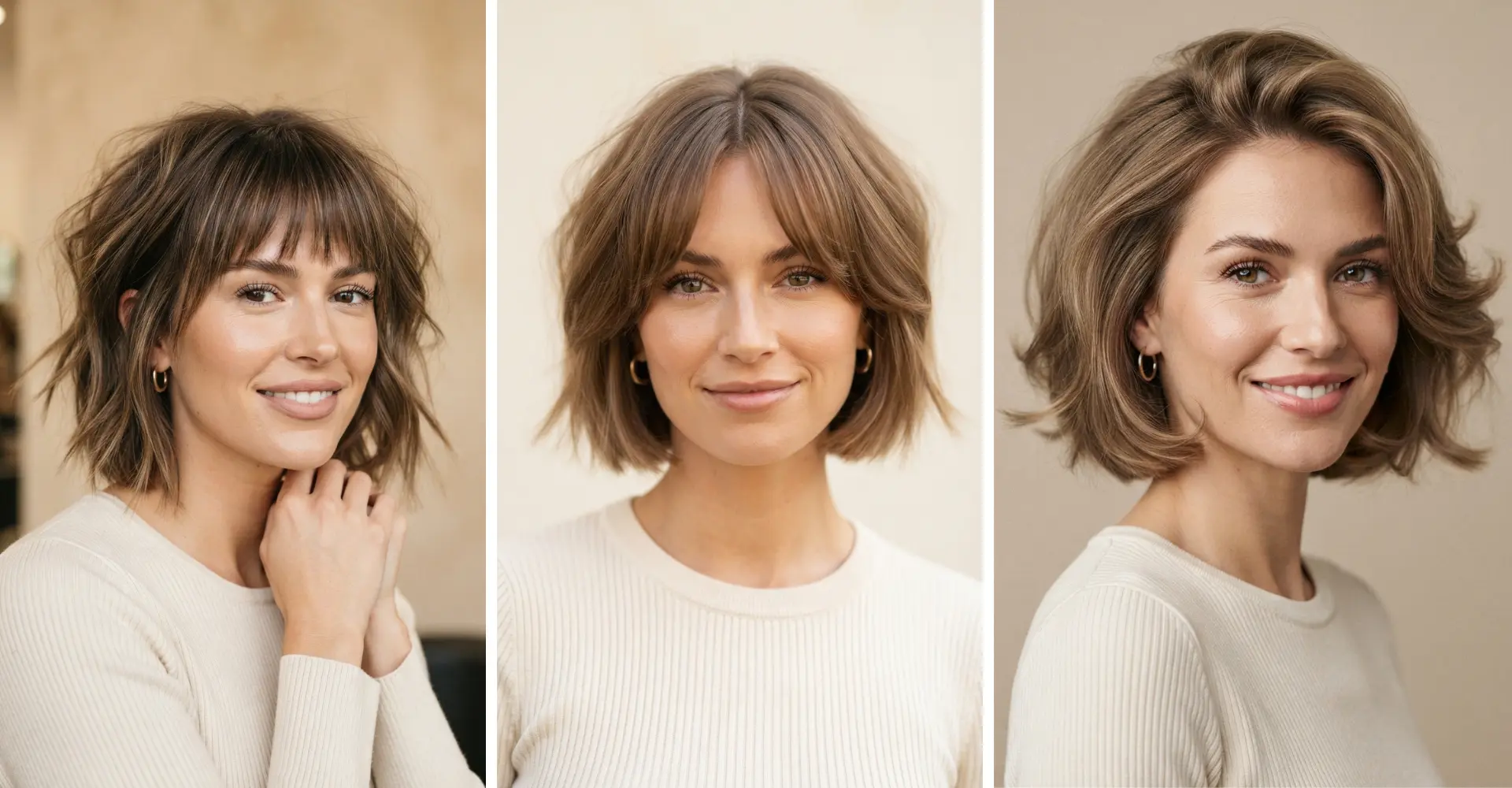
Fine hair can look flat quickly, especially when the haircut removes too much weight from the ends. The right bob can make a noticeable difference because a strong shape gives fine strands a fuller, more polished appearance without requiring complicated styling. From blunt jaw-length cuts to soft layers, there are plenty of bob hairstyles for fine hair that can work with your natural texture.
The key is choosing a bob that keeps enough density around the perimeter while adding movement in the right places. Whether you prefer sleek, curly, textured, silver, or bang-friendly styles, these fine hair bob ideas can help you find a cut that feels flattering and practical for everyday wear.
Ready to find a bob that makes fine hair look beautifully shaped and naturally fuller? Here are 20 styles to save for your next salon visit.
1. Blunt Jaw-Length Bob for Fine Hair
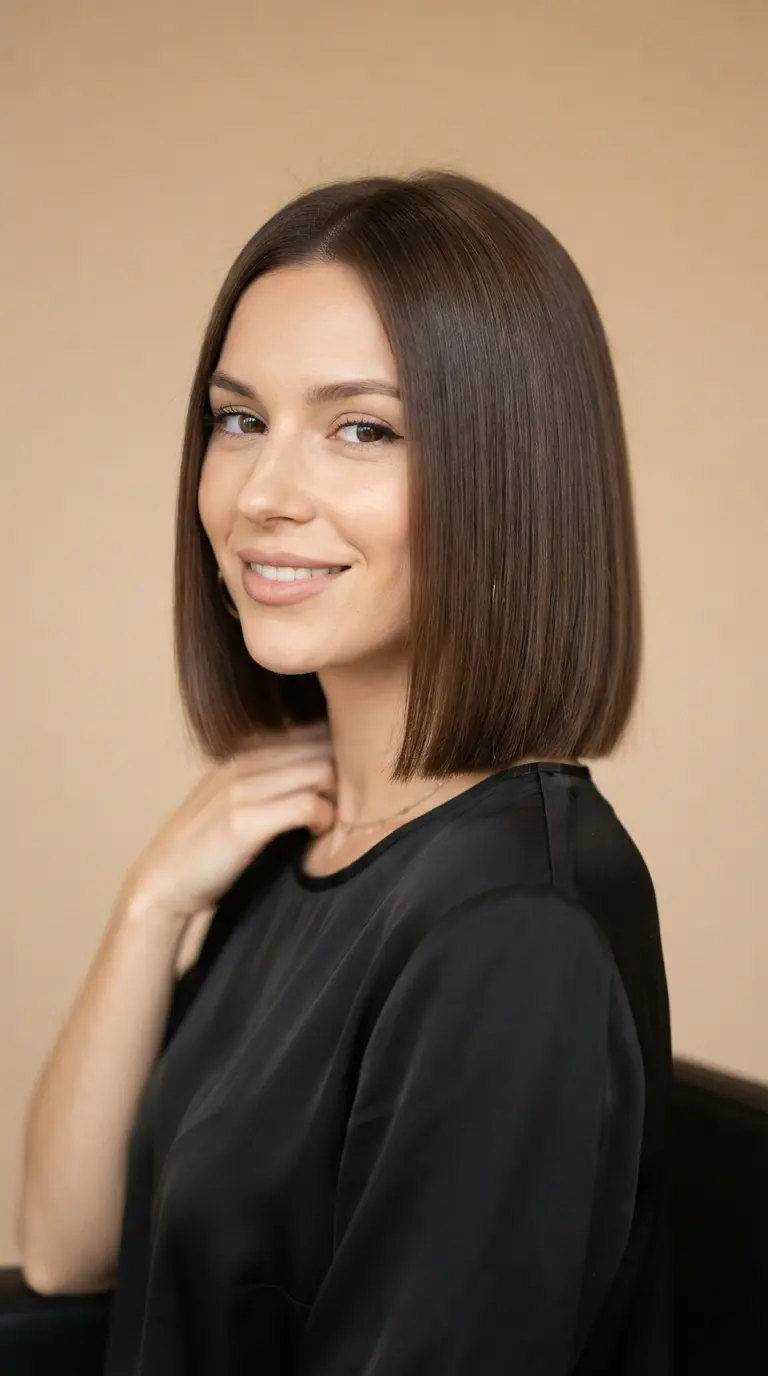
A blunt jaw-length bob is one of the simplest ways to make fine hair appear thicker. The ends are cut in a clean, solid line, which creates visual weight instead of allowing the perimeter to look wispy. Keeping the length close to the jaw also prevents delicate strands from becoming weighed down by excessive length.
This style works especially well with straight or slightly wavy hair. Wear it with a center part for a symmetrical finish, or shift the part slightly to one side when you want more lift at the roots. A smooth blow-dry keeps the shape crisp and polished.
Tips for a Fuller Blunt Bob
- Ask for a strong, clean perimeter.
- Avoid excessive thinning at the ends.
- Use a lightweight volumizing mousse before blow-drying.
- Keep the styling smooth rather than overloaded with heavy products.
2. Curly Bob With Natural Volume

Fine curly hair can lose its shape when it becomes too long, making a shorter bob a smart option for bringing curls closer to the face. A jaw-length curly bob allows the natural curl pattern to create width and movement while the shorter shape helps prevent the hair from looking weighed down.
The goal is not to make every curl perfectly identical. A softer, natural finish often gives fine curls more dimension. Diffuse gently and allow the curls to settle before separating them with your fingers.
Tips for Styling Fine Curly Bobs
- Use a lightweight curl cream or mousse.
- Scrunch upward instead of brushing curls dry.
- Diffuse on low heat.
- Avoid heavy oils that can flatten delicate curls.
3. Asymmetrical Bob With a Side Part

An asymmetrical bob introduces interest by keeping one side slightly longer than the other. That uneven outline gives fine hair more visual structure without requiring lots of layers. The longer front section can also frame the cheek and jaw beautifully.
A soft side part complements this haircut particularly well because it naturally shifts the hair away from the scalp and can create the appearance of extra fullness. Keep the ends relatively substantial so the asymmetrical shape remains noticeable.
Tips for an Asymmetrical Fine-Hair Bob
- Keep the difference in length subtle for an everyday look.
- Try a side part for additional root lift.
- Ask your stylist to protect the density at the perimeter.
- Use a small amount of styling spray instead of heavy wax.
4. Classic Bob With Full Fringe
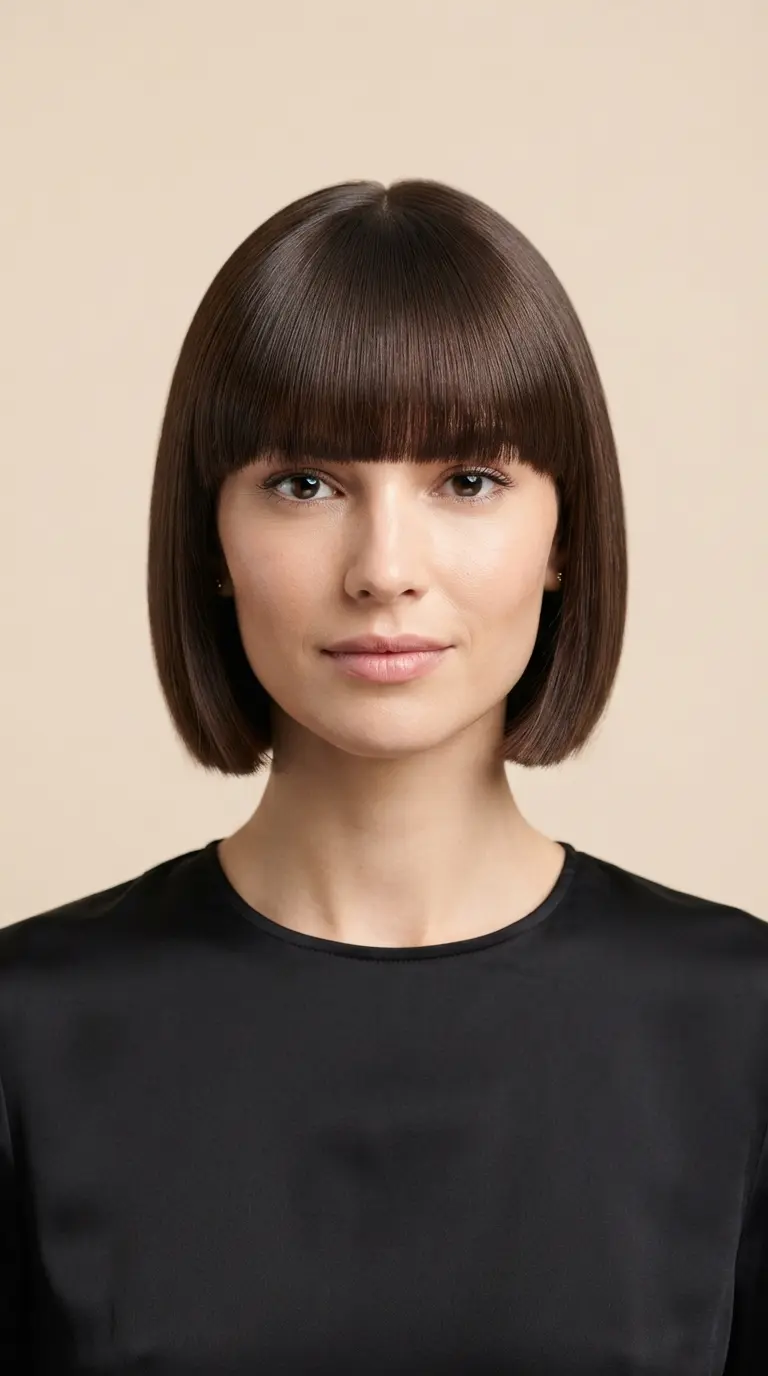
A classic bob with a full fringe creates a strong visual frame around the face. The straight-across bangs add weight to the front while the clean bob keeps the rest of the haircut structured. This combination can make fine hair look more deliberate and substantial.
The bob can sit around the jaw or slightly above it depending on your face shape and preferred style. A full fringe does require some maintenance, but it can be an excellent choice if you enjoy a polished, defined appearance.
Tips for Full Fringe on Fine Hair
- Keep the fringe moderately full rather than extremely thick.
- Blow-dry bangs soon after washing.
- Use a small round brush to control the direction.
- Trim the fringe regularly to maintain its shape.
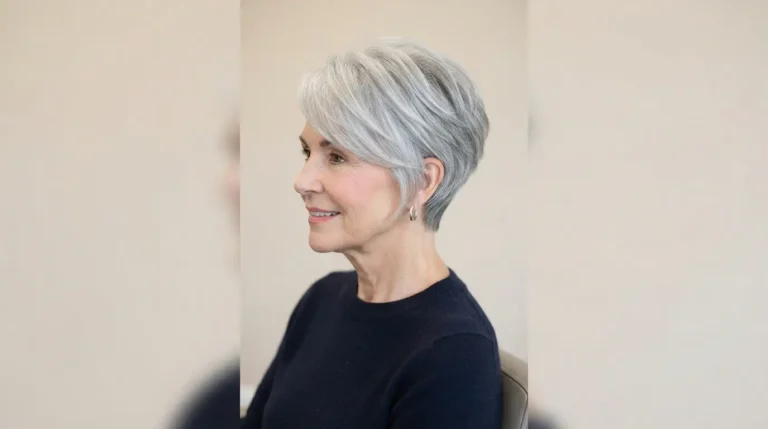
5. Feathered Silver Bob

A feathered silver bob brings softness and movement to fine hair while keeping the overall shape light. Subtle feathering around the face allows the ends to move outward instead of sitting heavily against the head. Silver or gray coloring can further emphasize the haircut’s texture and shape.
This is a particularly elegant option for anyone who wants a modern gray bob without making the hair look overly layered. The trick is keeping the feathering controlled so the ends still retain enough visual fullness.
Tips for a Feathered Bob
- Request light feathering instead of aggressive layers.
- Keep some weight through the bottom.
- Use a lightweight blowout cream.
- A soft outward bend can highlight the feathered ends.
6. Sleek Silver Bob

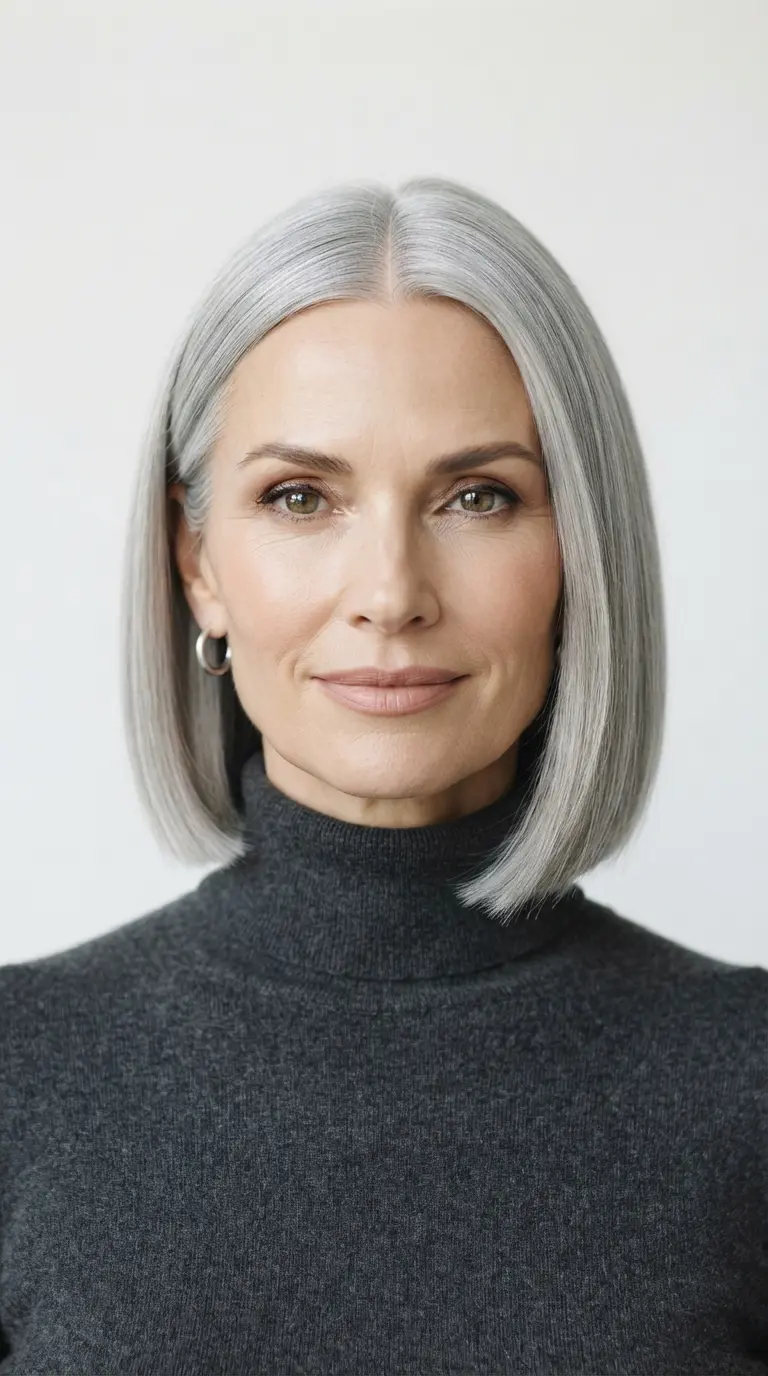
A sleek silver bob proves that fine hair does not need lots of texture to look beautiful. A precise jaw-length line creates a clean silhouette, while smooth styling emphasizes shine and makes the ends appear more substantial.
The simplicity of this cut makes it particularly easy to dress up. A center part creates a sophisticated finish, while a soft side part can give the roots a little more movement.
Tips for a Sleek Silver Bob
- Keep the perimeter sharp and clean.
- Use heat protectant before straightening.
- Choose lightweight shine products.
- Avoid applying oily products directly at the roots.
7. Choppy Textured Bob for Fine Hair
A choppy textured bob adds separation through the ends, helping fine strands avoid a flat, uniform appearance. Instead of relying on many heavy layers, the haircut uses controlled texture to create movement and dimension.
This style works well if you prefer a relaxed, slightly undone look. The ends can be styled with small bends or left naturally tousled. Because fine hair can easily become overloaded, a small amount of texture spray is usually enough.
Tips for Choppy Bob Texture
- Keep layers controlled rather than excessive.
- Ask for texture mainly through the ends.
- Use a lightweight texturizing spray.
- Twist or bend a few sections instead of curling the entire head.
8. Classic Bob With Wispy Bangs

Wispy bangs can soften a classic bob without taking away the clean structure that makes the haircut flattering for fine hair. The lighter fringe gently frames the forehead while the bob maintains a stronger line around the jaw.
This is a useful option if you like bangs but do not want a heavy fringe. The wispy pieces can also be parted slightly or brushed to either side, making them easier to style between appointments.
Tips for Wispy Bangs
- Keep the bangs airy and lightly separated.
- Avoid thick products near the forehead.
- Use a small brush to direct them while drying.
- Dry shampoo can add a little grip when the fringe becomes flat.
9. Layered Bob With Soft Texture
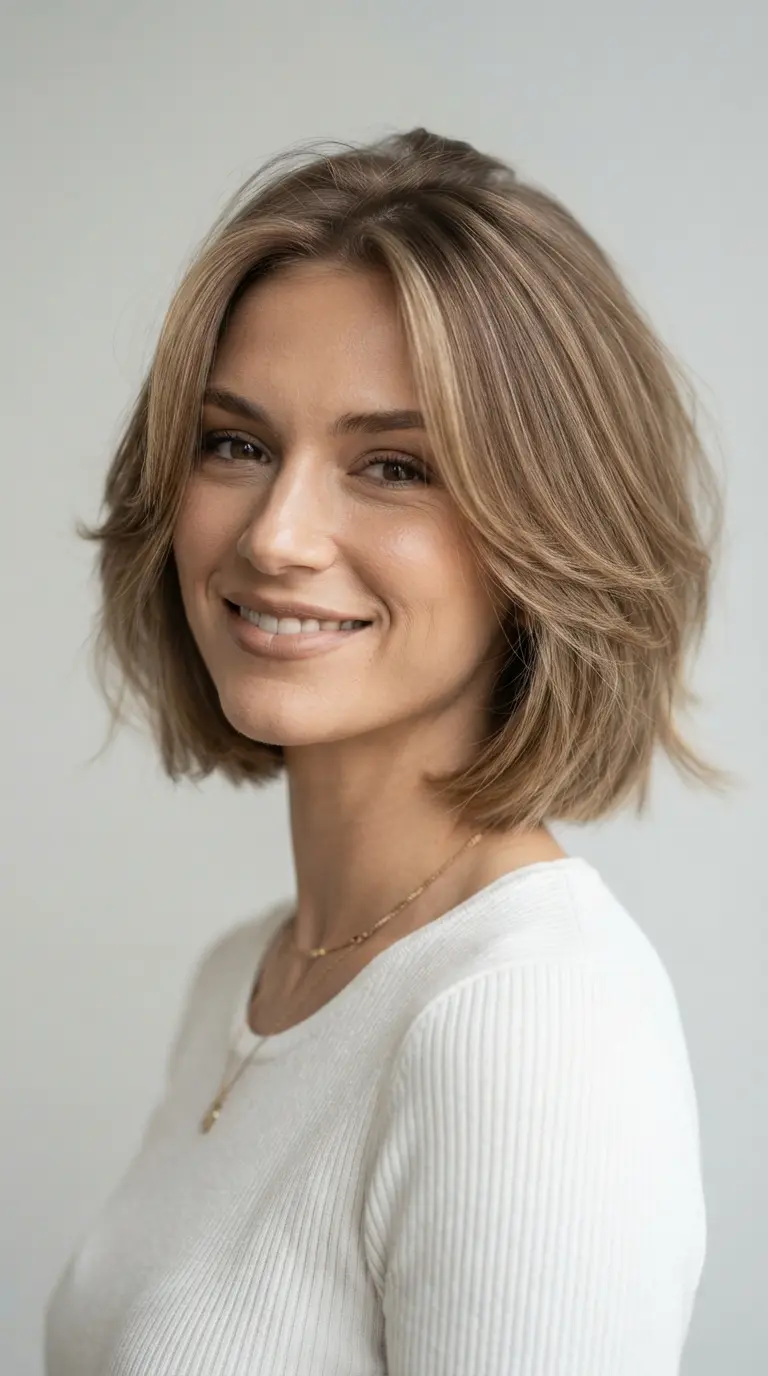
A softly layered bob creates movement while maintaining enough weight at the ends. Instead of dramatically removing hair, the layers can be placed strategically through the interior and around the face.
This gives fine hair a more relaxed shape without creating a thin-looking perimeter. It is a great middle ground if you want more movement than a blunt bob but do not want a heavily textured haircut.
Tips for Soft Layers
- Ask for subtle internal layers.
- Keep the bottom line relatively full.
- Use a lightweight mousse for body.
- Blow-dry sections upward to encourage natural movement.
10. Half-Up Bob Hairstyle

A half-up bob is a styling idea rather than a completely different haircut, making it perfect when you want to change your look without cutting your hair again. Pulling the upper section away from the face exposes the bob’s shape while adding a little height at the crown.
This style can look casual with a loose tie or more polished with a neat clip. Leaving a few soft pieces around the face keeps the hairstyle from appearing too severe.
Tips for a Fuller Half-Up Bob
- Tease the crown very lightly if extra lift is needed.
- Use a small elastic or lightweight clip.
- Avoid pulling the hair too tightly.
- Loosen the crown slightly after securing it.
11. Bold Inverted Bob

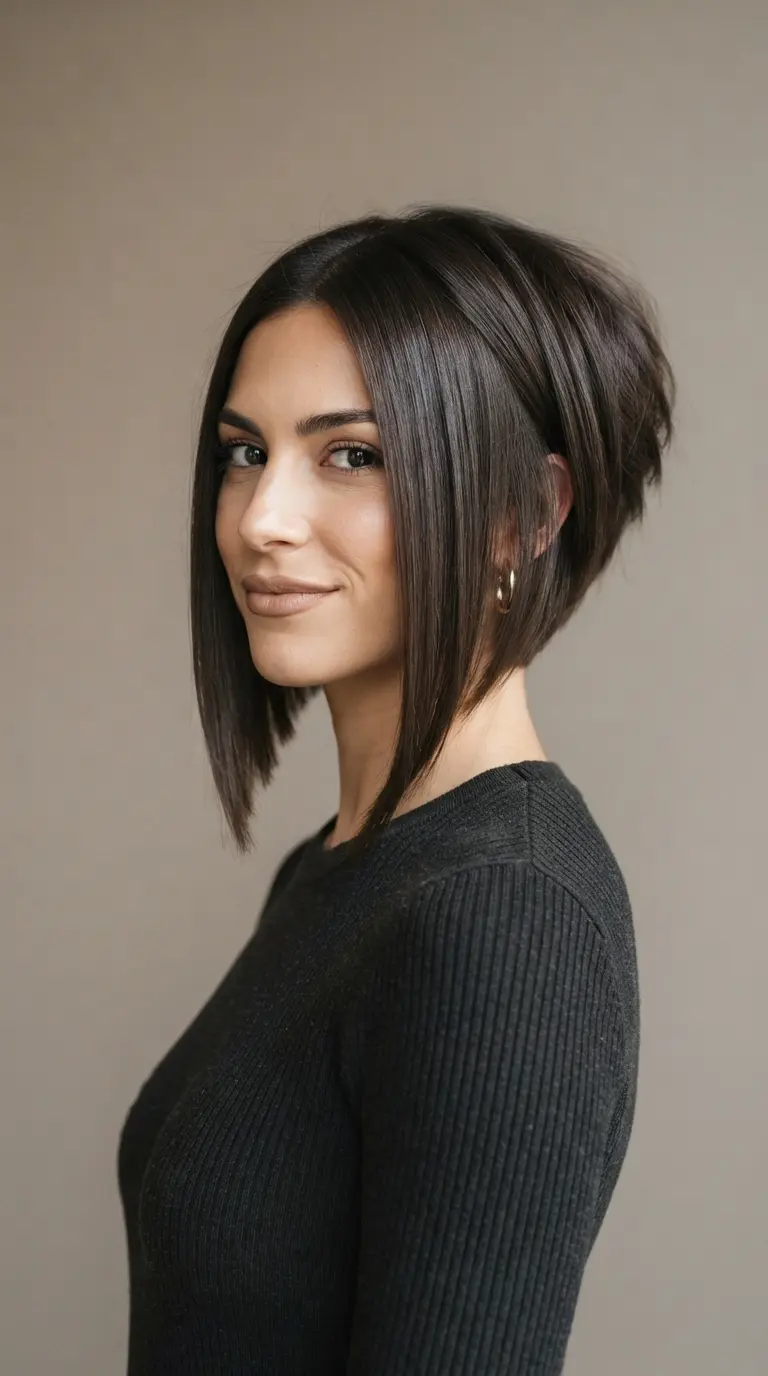
An inverted bob is shorter in the back and gradually becomes longer toward the front. This angled structure creates built-in shape and can make fine hair appear more substantial around the jawline.
The shorter back also helps prevent the nape from looking flat. If you want a more dramatic haircut, a stronger angle creates a noticeable modern effect, while a softer graduation gives you a more subtle everyday bob.
Tips for an Inverted Bob
- Ask for graduation that matches your hair density.
- Keep the front long enough to frame your face.
- Blow-dry the back upward for added lift.
- Avoid flattening the roots with heavy styling products.
12. Layered Bob With Side-Swept Bangs
Side-swept bangs give a layered bob an attractive diagonal shape while helping fine hair appear fuller around the front. The fringe blends into the side sections instead of creating a hard horizontal line.
Soft layers through the rest of the bob add movement without completely removing the density at the bottom. This combination works particularly well for people who want a feminine, face-framing haircut.
Tips for Side-Swept Bangs
- Blow-dry the fringe in the opposite direction first.
- Finish by sweeping it into place.
- Keep the layers soft around the face.
- Use a flexible hairspray instead of a heavy gel.
13. Classic Straight Bob

A classic straight bob keeps the design simple: clean ends, controlled length, and minimal layering. For fine hair, that simplicity can be a major advantage because the strong perimeter gives the impression of greater density.

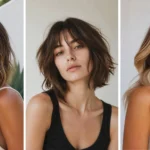
A center part creates a balanced appearance, while a side part can provide extra lift. You can wear this haircut completely straight for a polished finish or add a tiny bend at the ends for softness.
Tips for a Straight Fine-Hair Bob
- Avoid excessive thinning.
- Use a paddle brush for a smooth blow-dry.
- Add only a small amount of lightweight serum to the ends.
- Keep the roots free from heavy oils and creams.
14. Layered Bob With Blunt Bangs

This bob combines two different elements: soft layers through the haircut and a strong blunt fringe across the forehead. The contrast gives fine hair both movement and visual weight.
The layers can help prevent the sides from looking too flat, while the blunt bangs provide a defined focal point. This style is especially appealing if you enjoy structured hairstyles with a little softness around the sides.
Tips for Blunt Bangs and Layers
- Keep the fringe crisp and the layers subtle.
- Avoid over-layering around the ends.
- Blow-dry bangs before the rest of the hair.
- Use a lightweight volumizer around the crown.
15. Classic Layered Bob

A classic layered bob is a versatile choice when you want movement without sacrificing too much density. The layers can be placed carefully so the haircut does not become stringy at the ends.
This style is easy to personalize according to your texture. Straight fine hair can benefit from a soft blowout, while slightly wavy hair can be scrunched for a more relaxed finish.
Tips for a Fuller Layered Bob
- Ask for blended, lightweight layers.
- Keep the perimeter stronger than the interior.
- Avoid too many short layers.
- Refresh volume with dry shampoo between washes.
16. Sleek Bob With Subtle Bangs

A sleek bob with understated bangs offers a polished look without making the fringe the main focus. The bangs gently frame the forehead while the rest of the haircut maintains a smooth, structured silhouette.
Because the bangs are subtle, they can be easier to style than a thick fringe. This makes the look practical for anyone who wants a little face framing without committing to a dramatic bang.
Tips for Subtle Bangs
- Ask for tapered or softly blended ends.
- Keep the fringe light enough to move naturally.
- Use a tiny round brush while drying.
- Finish with a light mist of flexible hairspray.
17. Platinum Layered Bob

A platinum layered bob combines bright color with subtle layers to create a striking, dimensional hairstyle. The lighter shade can make the movement in the haircut more noticeable, while gentle stacking at the back helps give the bob a lifted silhouette.
For fine hair, the layering should remain controlled. Too much removal can make the ends look sparse, so the focus should be on creating shape while preserving enough density.
Tips for a Platinum Fine-Hair Bob
- Prioritize hair health when lightening.
- Keep layers subtle.
- Use products designed for color-treated hair.
- Avoid excessive heat styling.
18. Choppy Bob With Bangs

A choppy bob with bangs brings together irregular ends and a face-framing fringe for a youthful, textured finish. The uneven ends create movement, while the bangs add visual interest around the eyes and forehead.
This haircut is especially good if you dislike overly perfect hairstyles. You can wear it slightly tousled, add loose bends, or simply rough-dry it for a casual finish.
Tips for a Choppy Bob With Bangs
- Keep the ends textured but not excessively thinned.
- Use a lightweight styling paste only on the tips.
- Scrunch the hair while drying for natural movement.
- Refresh the bangs separately when needed.
19. Bob With Curtain Bangs
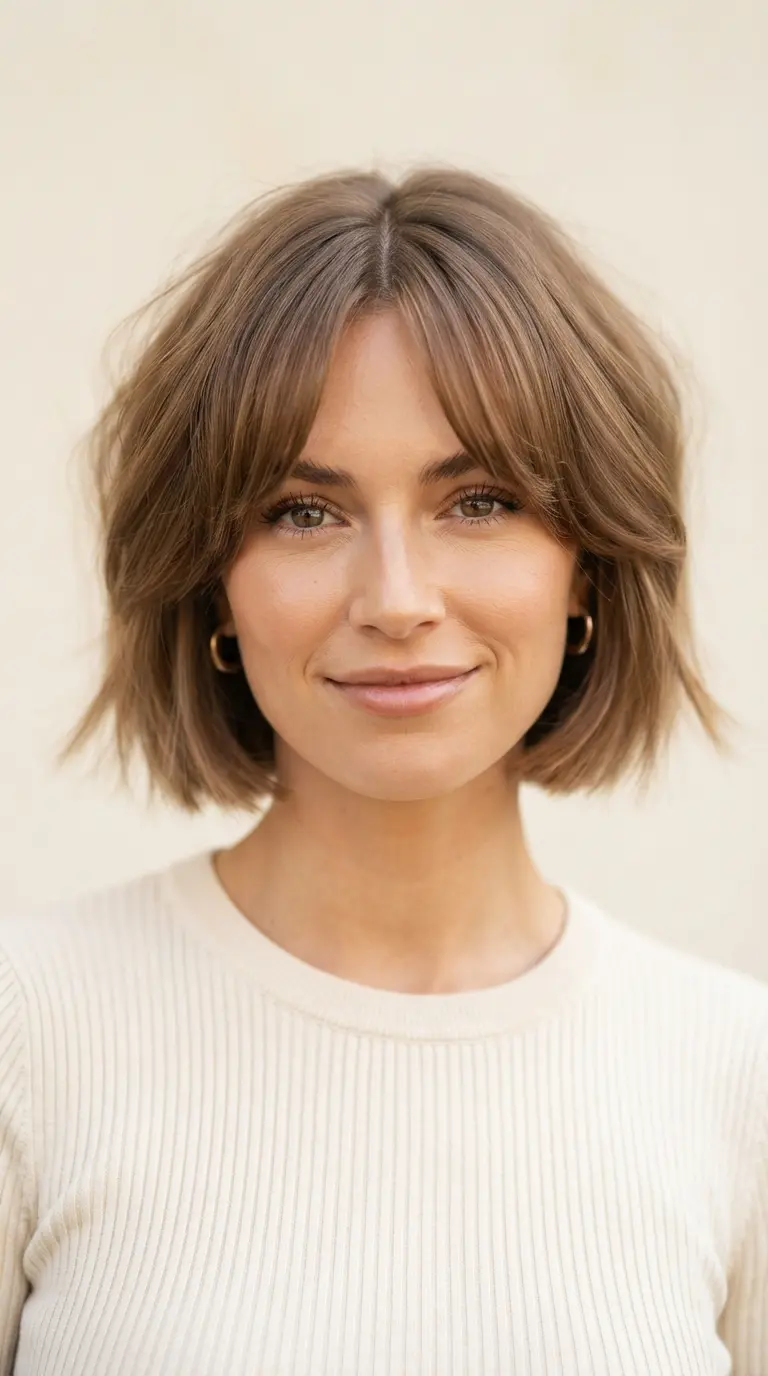
Curtain bangs give a bob a soft, face-framing effect without creating the heaviness of a full fringe. They part near the center and gradually blend into the sides, creating movement around the cheekbones.
For fine hair, curtain bangs can be kept relatively light so they do not consume too much density from the rest of the haircut. They also offer flexibility because you can wear them parted, swept aside, or slightly tucked behind the ears.
Tips for Curtain Bangs
- Ask for bangs that blend gradually into the sides.
- Blow-dry them away from the face.
- Use a small round brush for the curved shape.
- Avoid heavy creams that can separate and flatten the fringe.
20. Soft Bob With Extra Volume and Movement

If you cannot decide between a sleek bob and a heavily textured haircut, a soft bob with controlled movement offers a useful middle ground. The shape stays recognizable and polished, while subtle bends, light layers, or a gentle flip at the ends give fine hair more body.
This approach works with many textures and can be customized to suit your face shape. Keep the ends fuller, add lift at the crown, and use movement strategically instead of layering the entire haircut.
Tips for Maximizing Volume
- Change your part occasionally to prevent flat roots.
- Blow-dry the roots upward before smoothing the ends.
- Choose mousse or foam over heavy creams.
- Add loose bends rather than tight curls.
- Keep regular trims so the perimeter stays strong.
How to Choose the Best Bob Hairstyle for Fine Hair
The best bob for fine hair depends on more than the haircut itself. Consider your natural texture, face shape, preferred styling routine, and how much maintenance you are willing to do. If your main goal is maximum density, a blunt or softly graduated bob can be a strong starting point. If you want movement, choose subtle layers rather than removing too much weight.
Your daily routine matters too. Someone who prefers air-drying may enjoy a soft textured or curly bob, while someone who loves a polished finish may prefer a sleek straight bob. Bring a few saved photos to your stylist and explain whether you want more volume, movement, length, or easier styling.
FAQs About Bob Hairstyles for Fine Hair
What bob length is best for fine hair?
A jaw-length or slightly shorter bob is often a strong choice because it keeps the ends compact and helps create the appearance of density. A longer bob can also work when the ends remain full and the layers are carefully controlled.
Is a blunt bob better for fine hair?
A blunt bob can be excellent for fine hair because the solid perimeter makes the ends appear thicker. However, it is not the only option. Soft layers, an inverted bob, or controlled texture can also work when tailored to your hair’s density.
Should fine hair have layers?
Fine hair can benefit from layers, but too many layers may make the ends appear thinner. Subtle internal layers or carefully placed face-framing pieces usually provide movement while preserving the strongest part of the haircut.
Are bangs good for fine hair?
Yes. Wispy bangs, curtain bangs, side-swept bangs, and even blunt fringe can work with fine hair. The best choice depends on how much density you want to dedicate to the front and how much styling you are comfortable doing.
How can I make a fine-hair bob look fuller?
Start with a haircut that preserves density at the ends. Then use lightweight volumizing products, lift the roots while blow-drying, and avoid heavy oils or creams near the scalp. A slight change in your part can also instantly create more lift.
How often should I trim a bob for fine hair?
A trim every six to eight weeks can help maintain the shape, especially if you want a precise blunt or graduated bob. Regular trims prevent the ends from becoming uneven or losing the clean outline that gives fine hair a fuller appearance.
Can fine wavy hair wear a bob?
Absolutely. A wavy bob can make fine hair look fuller because the natural bends create movement and width. Keep the cut light enough for the waves to bounce while avoiding excessive thinning through the ends.
Final Words
The right bob can completely change how fine hair looks and feels. You do not necessarily need dramatic volume products or complicated styling; a well-designed haircut can create much of the structure for you. Whether you prefer a blunt jaw-length bob, soft layers, a sleek silver finish, natural curls, or playful bangs, the most important detail is maintaining enough weight where your hair needs it most. Save your favorite looks, discuss your texture and routine with your stylist, and choose the bob that makes you feel confident every day.
Don't miss the next one
Quick outfit ideas and beauty tips, straight to your inbox.