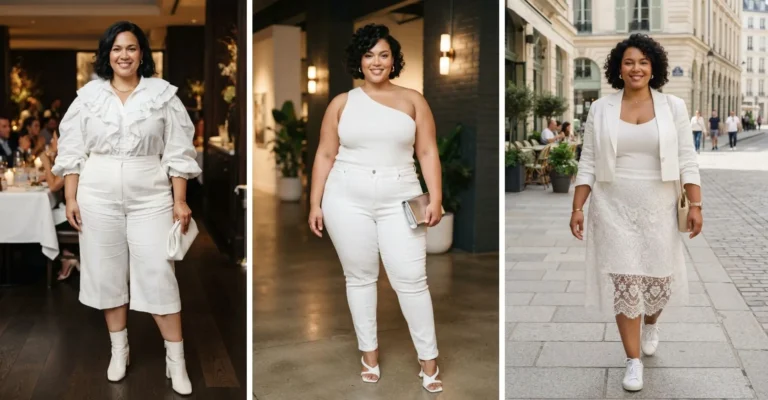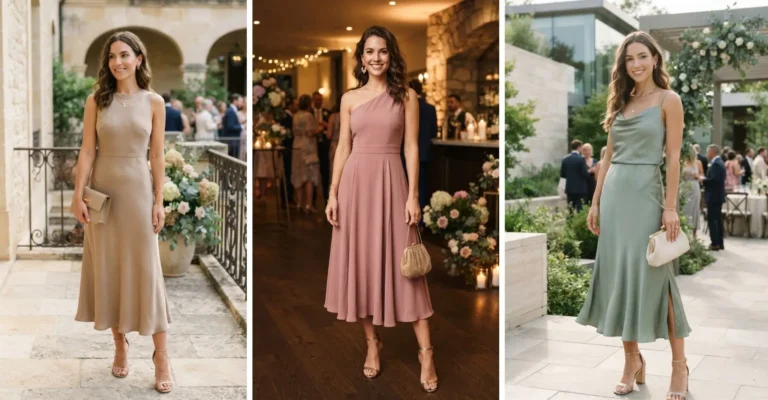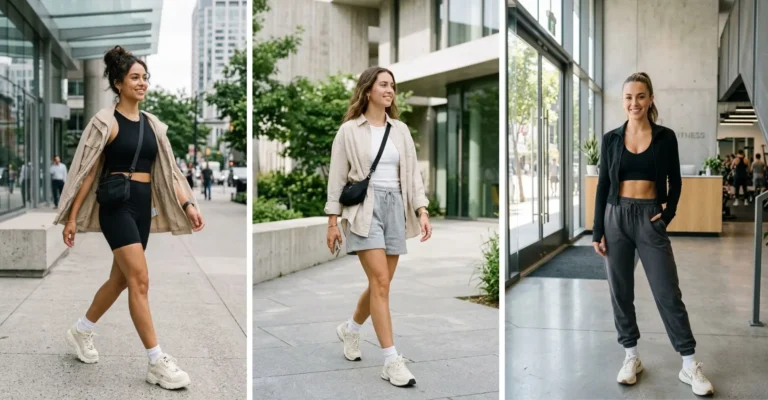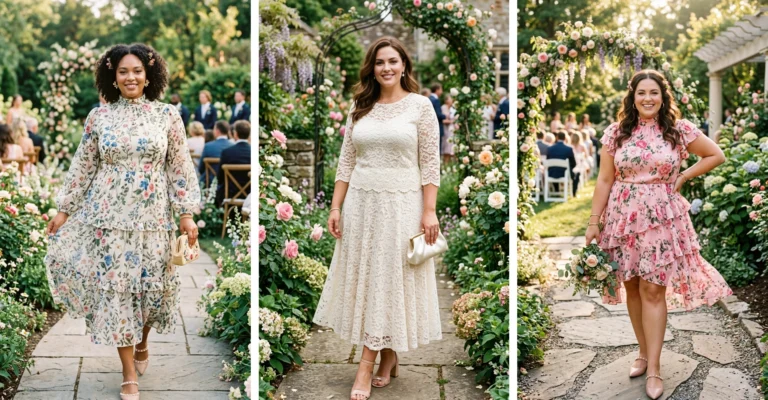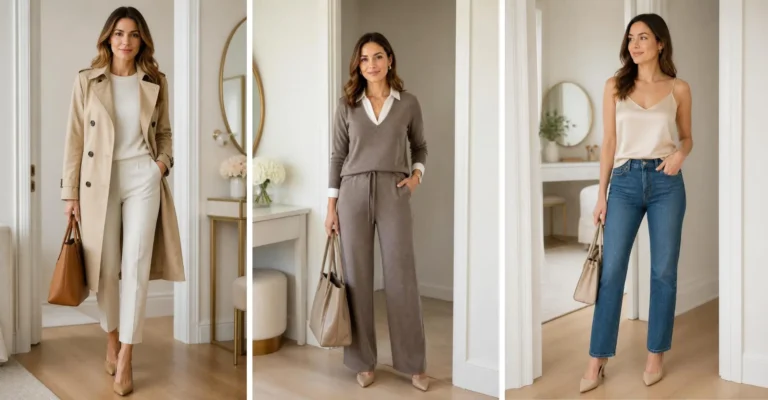
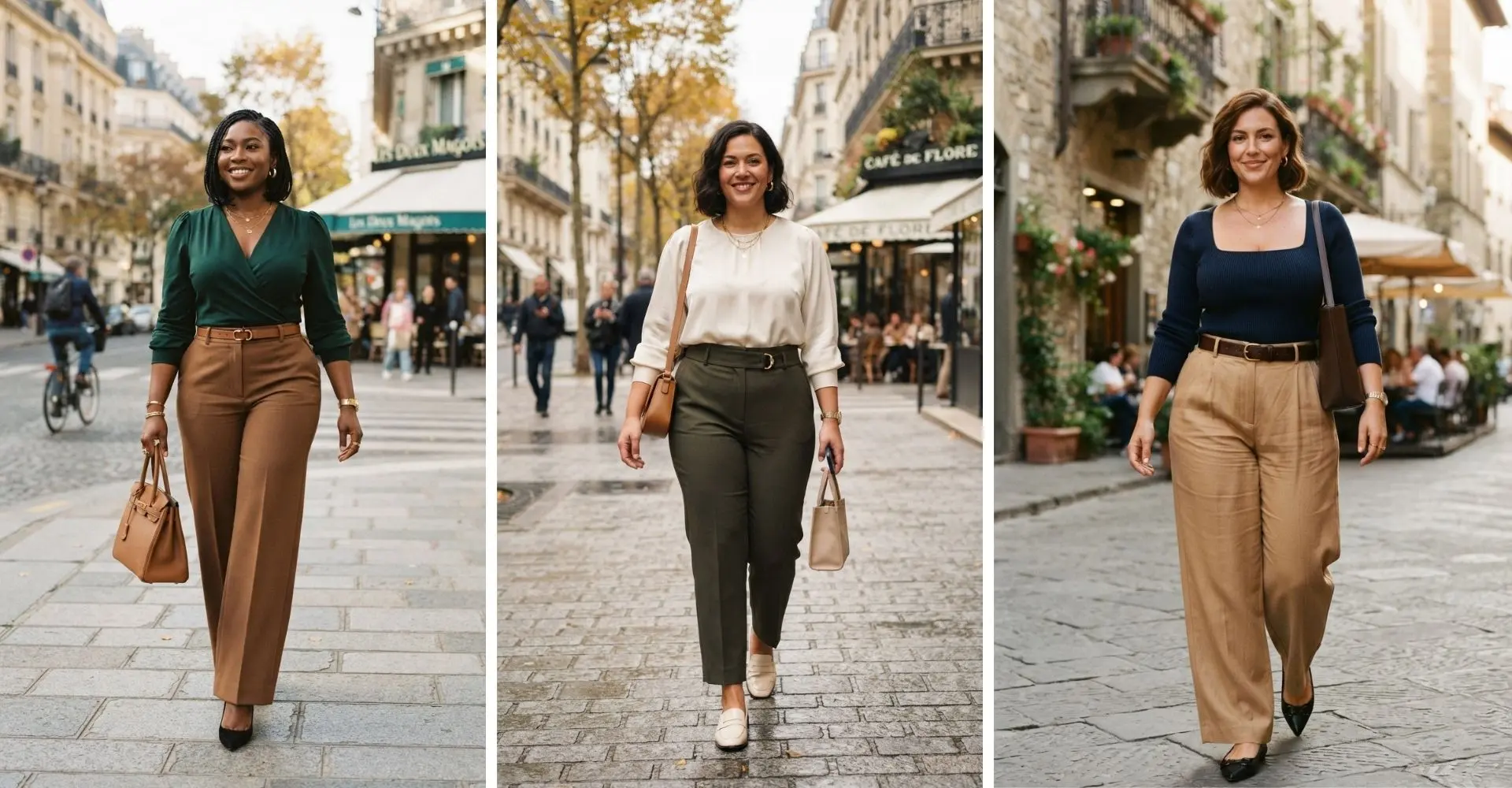
Having a fuller bust doesn’t mean you need to hide your curves or limit yourself to oversized clothes. The best outfits for big busts are all about finding the right neckline, proportions, fabric, support, and structure so your clothes work with your shape instead of fighting it.
From everyday tops and jeans to dresses, blazers, layering pieces, and accessories, small styling changes can make a huge difference. These clothes for big busts will help you create balanced, comfortable outfits while still looking feminine, modern, and effortlessly stylish.
Here are 20 flattering outfit ideas and styling tricks to make dressing a fuller bust much easier.
1. Try a Flattering V-Neck Top for a Fuller Bust
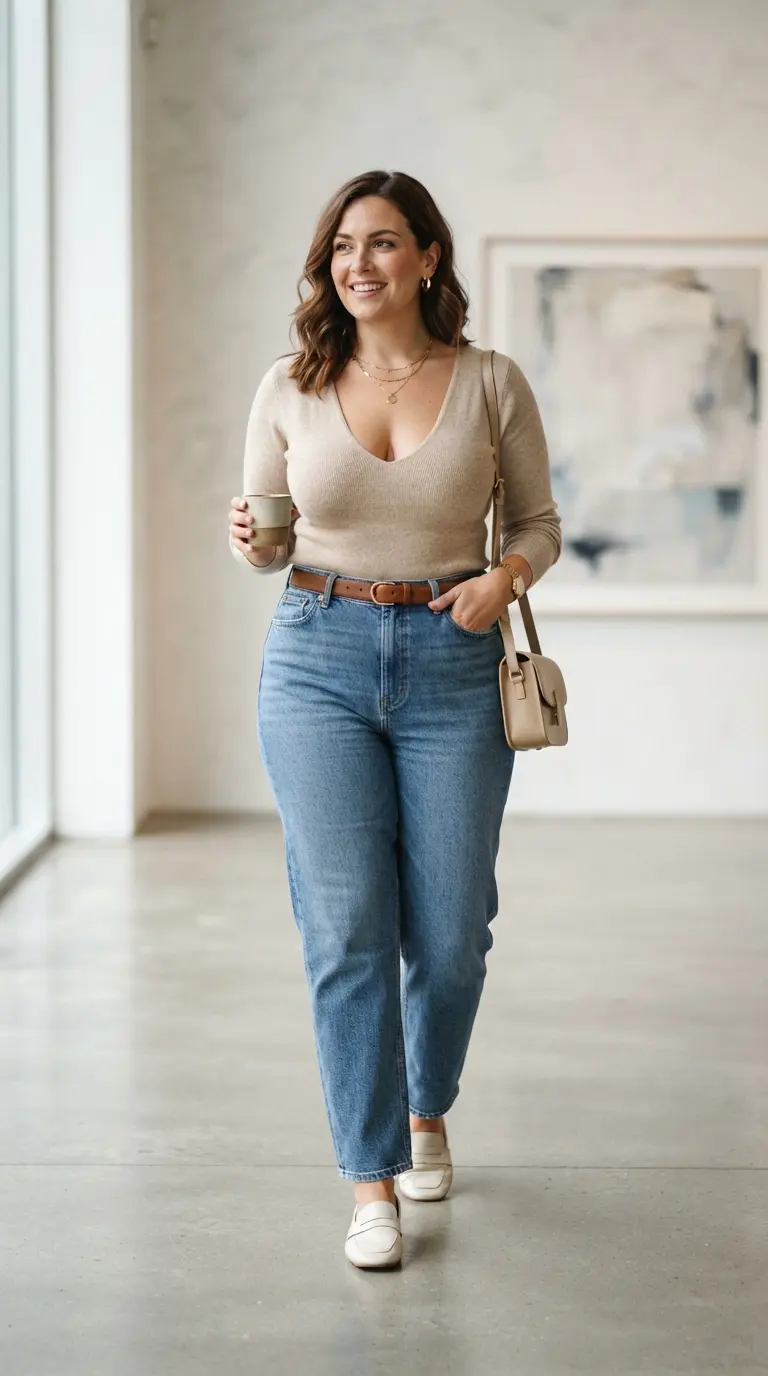
V-neck tops are one of the easiest choices when you want to visually lengthen your upper body. The open neckline creates a vertical line through the center of your torso, which can make the chest area look more balanced without hiding your natural curves.
A V-neck doesn’t have to be extremely low-cut, either. A medium-depth V-neck works beautifully for work outfits, casual looks, and everyday styling. Soft knits, fitted tees, blouses, and sweaters can all benefit from this neckline.
Tips for Wearing V-Necks
- Choose a depth that feels comfortable and secure.
- Try a camisole underneath a deeper V-neck.
- Pair V-neck tops with high-waisted bottoms for definition.
2. Choose Wrap Tops That Define Your Waist
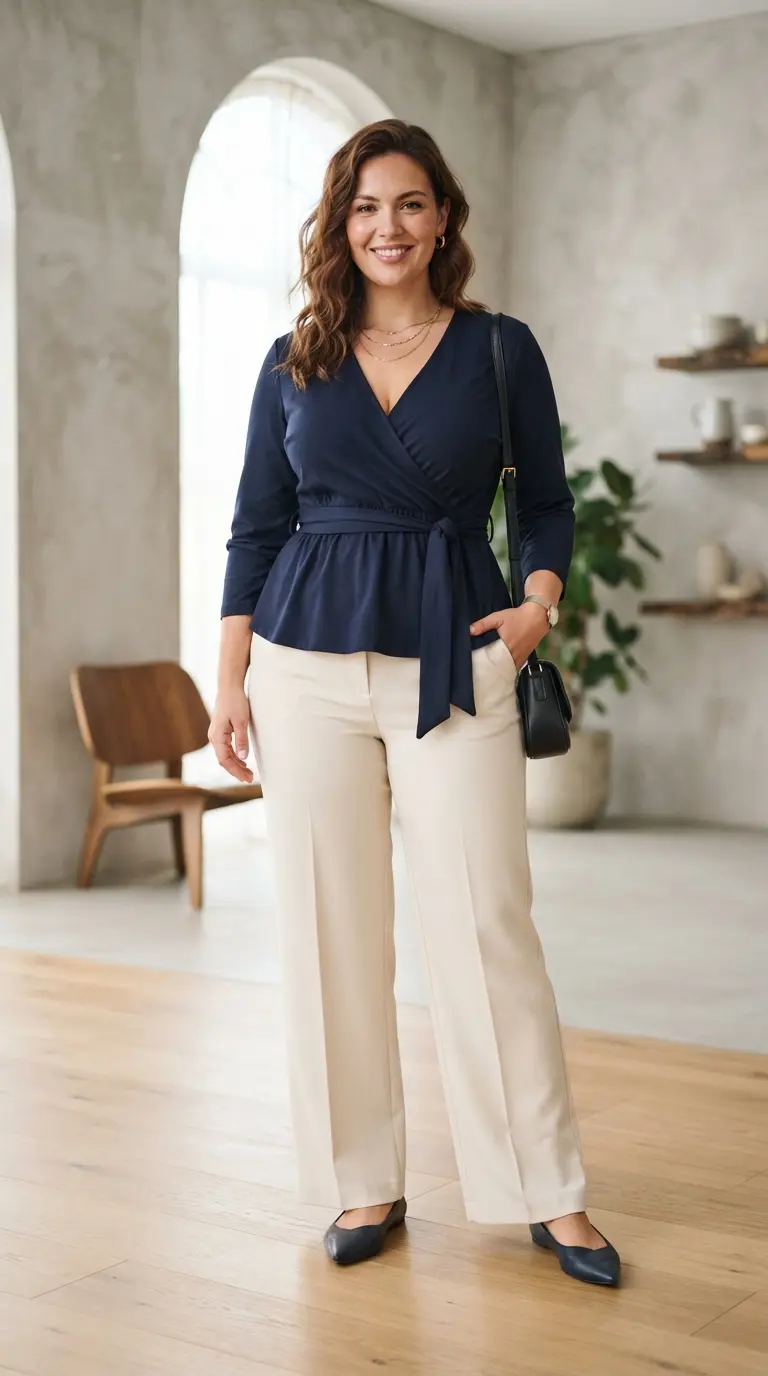
Wrap tops are especially useful for women with a larger bust because they naturally create shape around the waist. The diagonal lines draw attention across the body instead of creating one wide horizontal area around the chest.
Look for wrap styles made from soft, flexible fabrics that drape rather than cling. A properly fitted wrap top can work for everything from jeans and sneakers to trousers and heels.
Tips for Wrap Tops
- Choose adjustable styles when possible.
- Look for secure inner buttons or snaps.
- Avoid excessive fabric bunching around the bust.
3. Wear Square and Scoop Necklines for Balanced Proportions
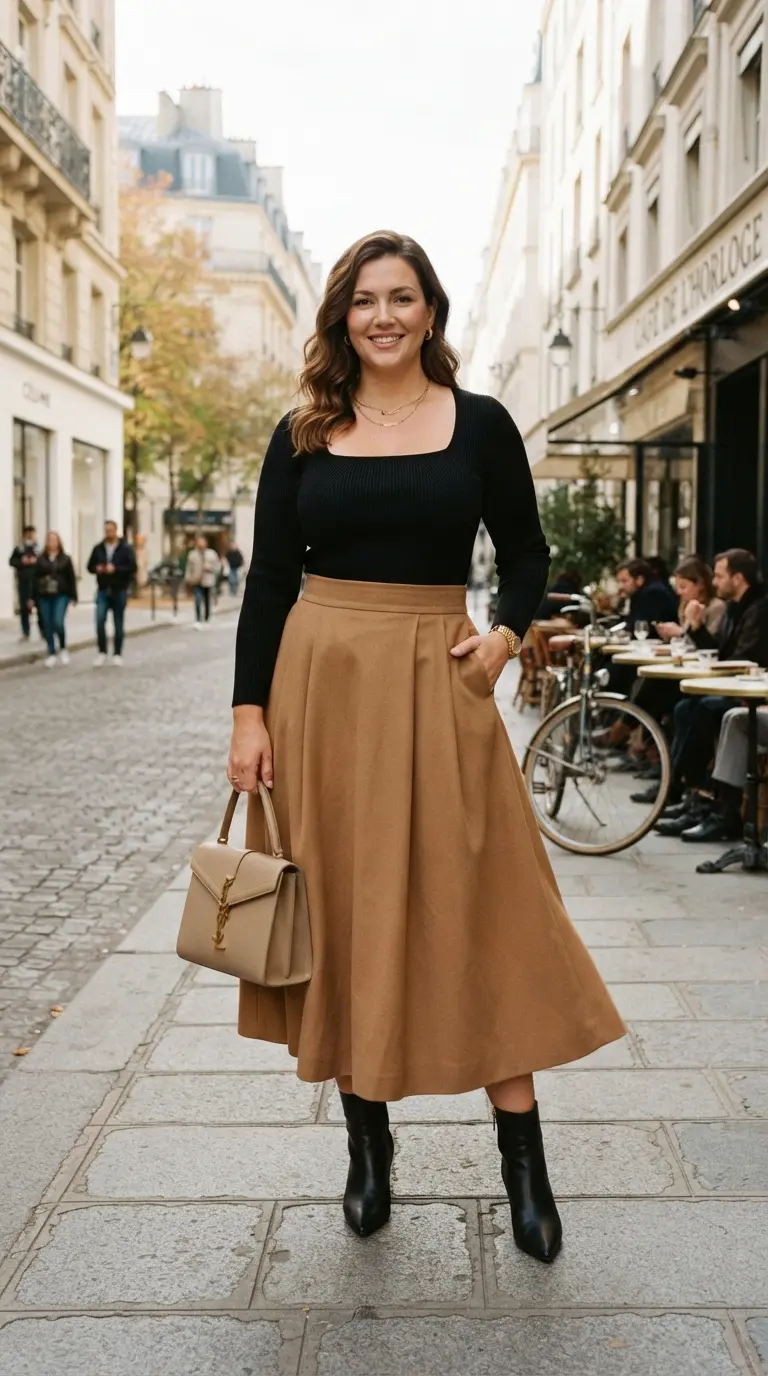
Square and scoop necklines provide an alternative to the classic V-neck. A square neckline adds structure and frames the chest, while a scoop neckline creates a softer, rounded opening that visually breaks up the upper body.
These necklines are particularly pretty on fitted tops, knitwear, dresses, and bodysuits. They can also make simple outfits feel more polished without requiring lots of accessories.
Tips for Neckline Balance
- Choose structured square necklines for dressier outfits.
- Try scoop necks when you want a softer appearance.
- Avoid very tight neck openings that feel restrictive.
4. Invest in a Properly Fitted Supportive Bra
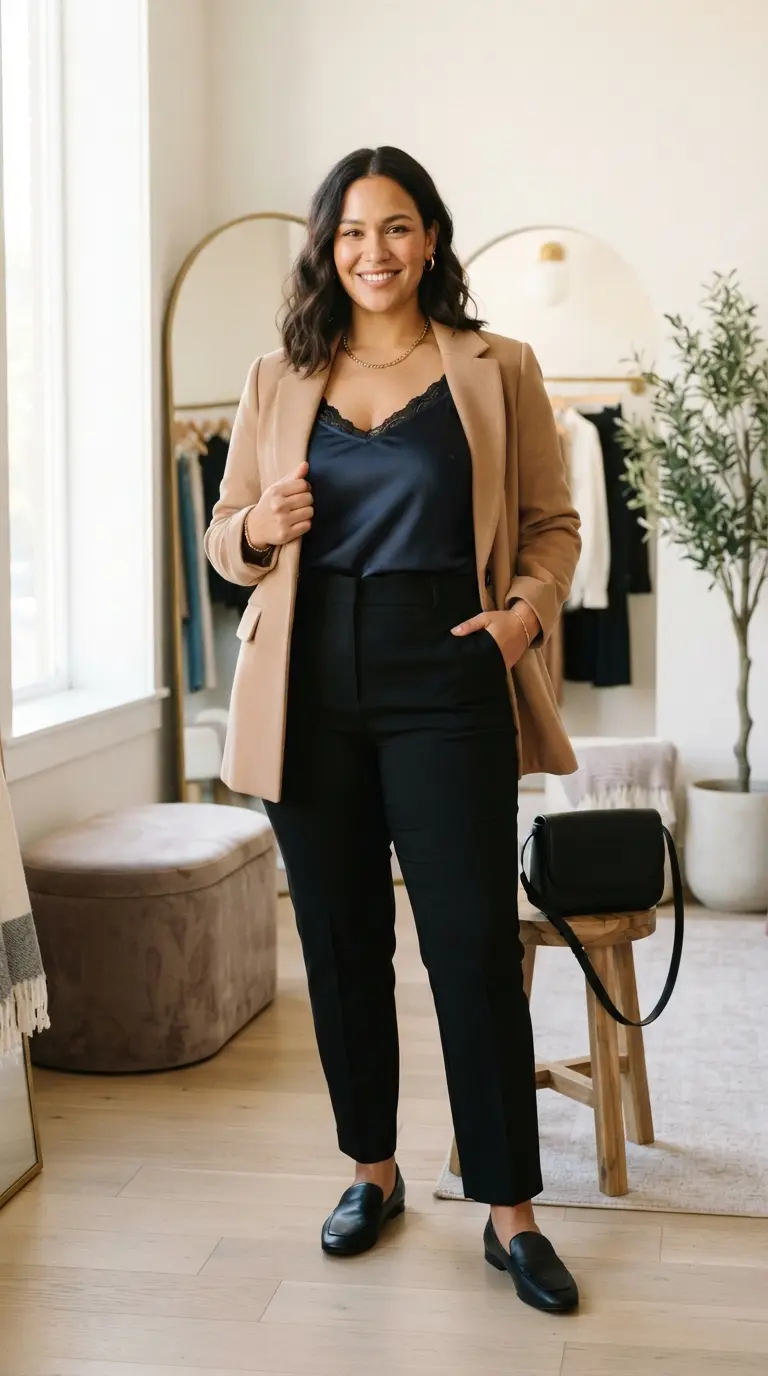
The right bra can completely change how clothing fits. When your bra provides enough lift and separation, tops, dresses, jackets, and sweaters tend to sit more naturally instead of pulling across the chest.
Look for a supportive band, comfortable cups, and straps that distribute weight properly. Depending on your outfit, plunge, balconette, or smoothing bras can help create a clean silhouette beneath different necklines.
Tips for Big-Bust Bra Support
- Get professionally measured when possible.
- Make sure the band provides most of the support.
- Choose wider straps for additional comfort.
- Consider built-in bra holders for dresses.
5. Pick Dresses That Define Your Waist
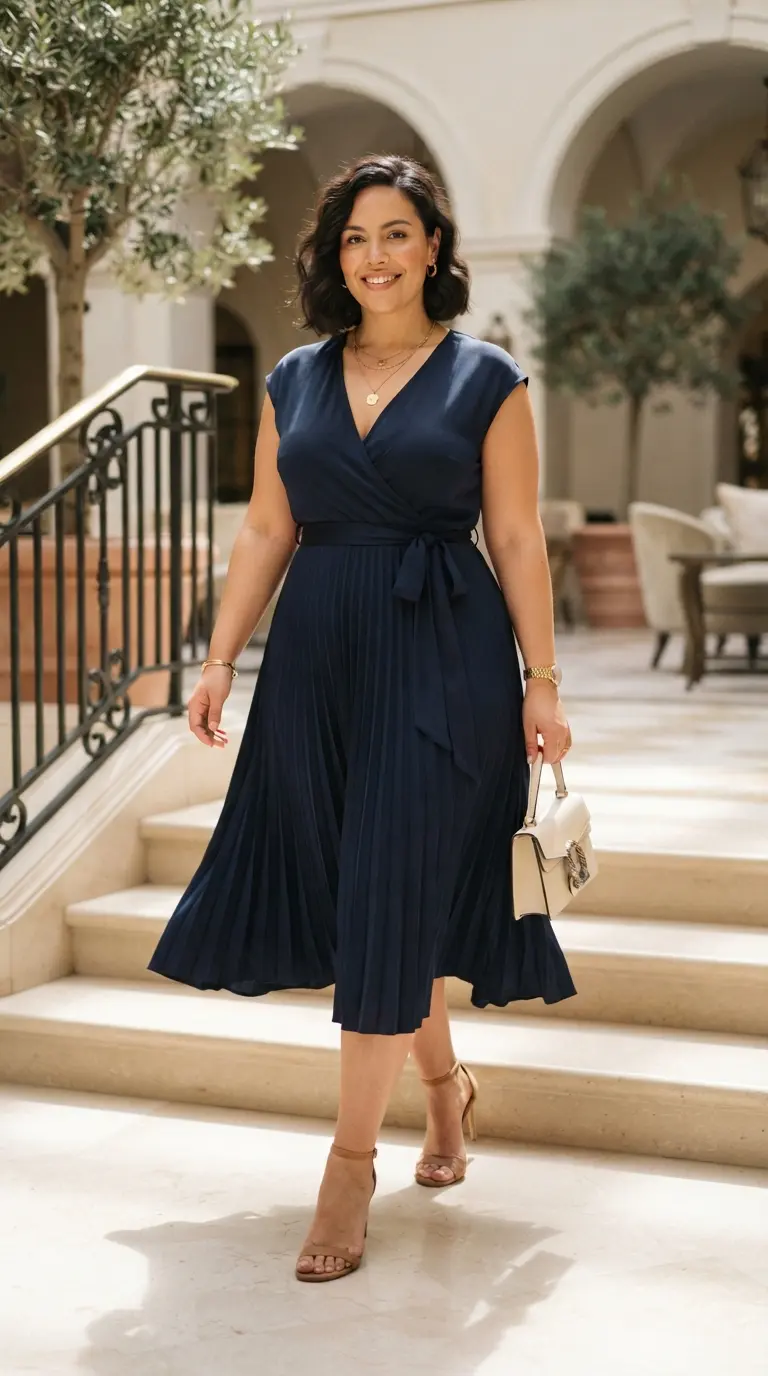
The most flattering dresses for big busts usually provide enough room through the chest while still giving the body some definition. Wrap dresses, fit-and-flare silhouettes, and shaped shirt dresses are excellent choices because they balance the upper and lower body.
A V-neck midi dress is another versatile option. The combination of a vertical neckline and defined waist can create a longer, more balanced appearance without making the outfit feel overly tight.
Tips for Choosing Dresses
- Fit the dress to your bust first.
- Use a slim belt when the waist feels too loose.
- Look for darts or adjustable waist details.
- Avoid shapeless dresses with no waist definition.
6. Use High-Waisted Jeans to Create Better Proportions
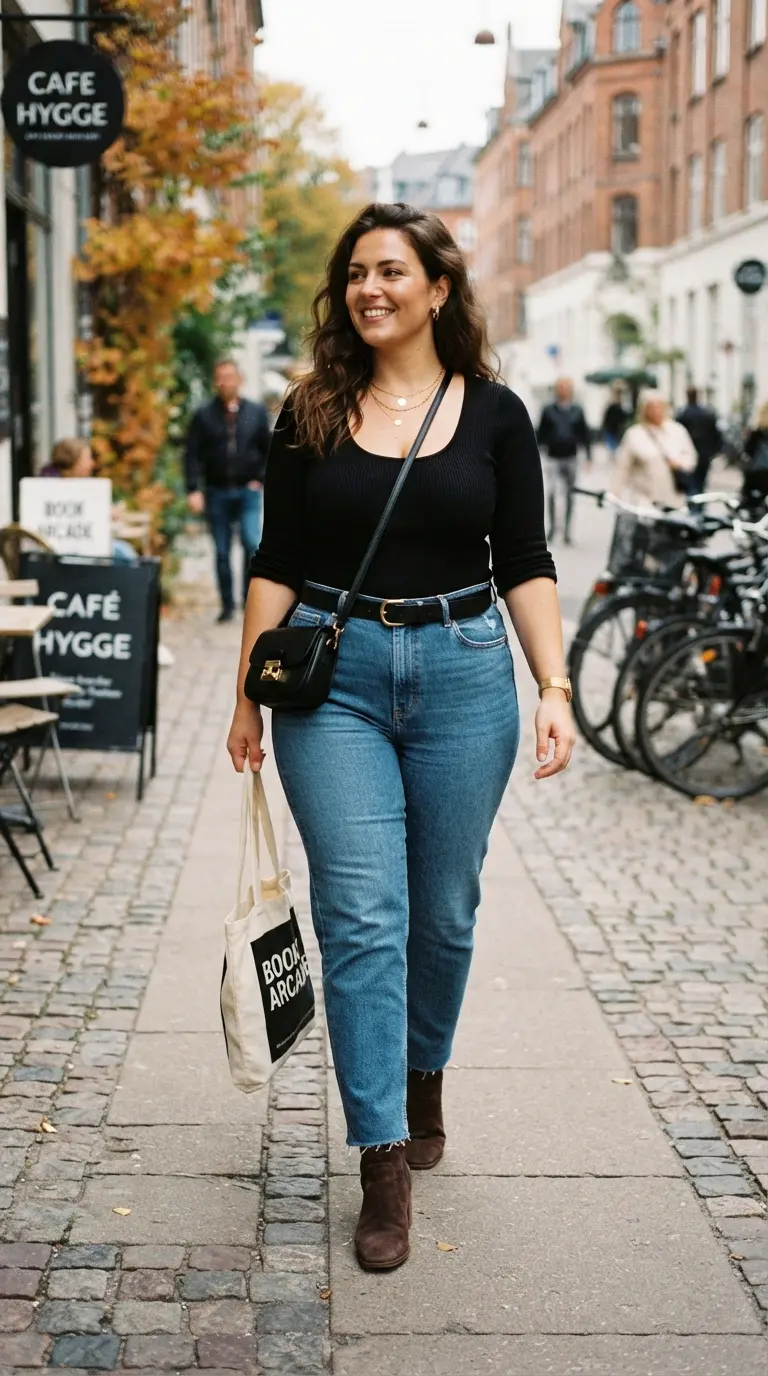
High-waisted jeans can visually connect the bust and waist, creating a more defined silhouette. They are particularly useful when worn with tucked-in or slightly cropped tops that show where the waist begins.
Straight-leg and bootcut jeans can also add balance to a fuller upper body. Rather than making every part of an outfit tight, allow the bottom half to have some structure or movement.
Tips for Big-Bust-Friendly Jeans
- Try straight-leg, bootcut, or relaxed styles.
- Choose a substantial waistband for support.
- Tuck or half-tuck tops to highlight your waist.
7. Balance Your Shape With A-Line and Bias-Cut Skirts

A-line skirts gradually widen from the waist, adding gentle volume below the hips. This creates visual balance when your upper body carries more fullness.
Bias-cut skirts are another stylish choice because their diagonal construction follows the body’s natural movement. Pair either style with a fitted or semi-fitted top to create an easy proportion.
Tips for Styling Skirts
- Pair fitted tops with fuller skirts.
- Try a defined waistband to emphasize your waist.
- Avoid excessive bulk around both the bust and hips.
8. Choose Single-Breasted Blazers Over Bulky Double-Breasted Styles
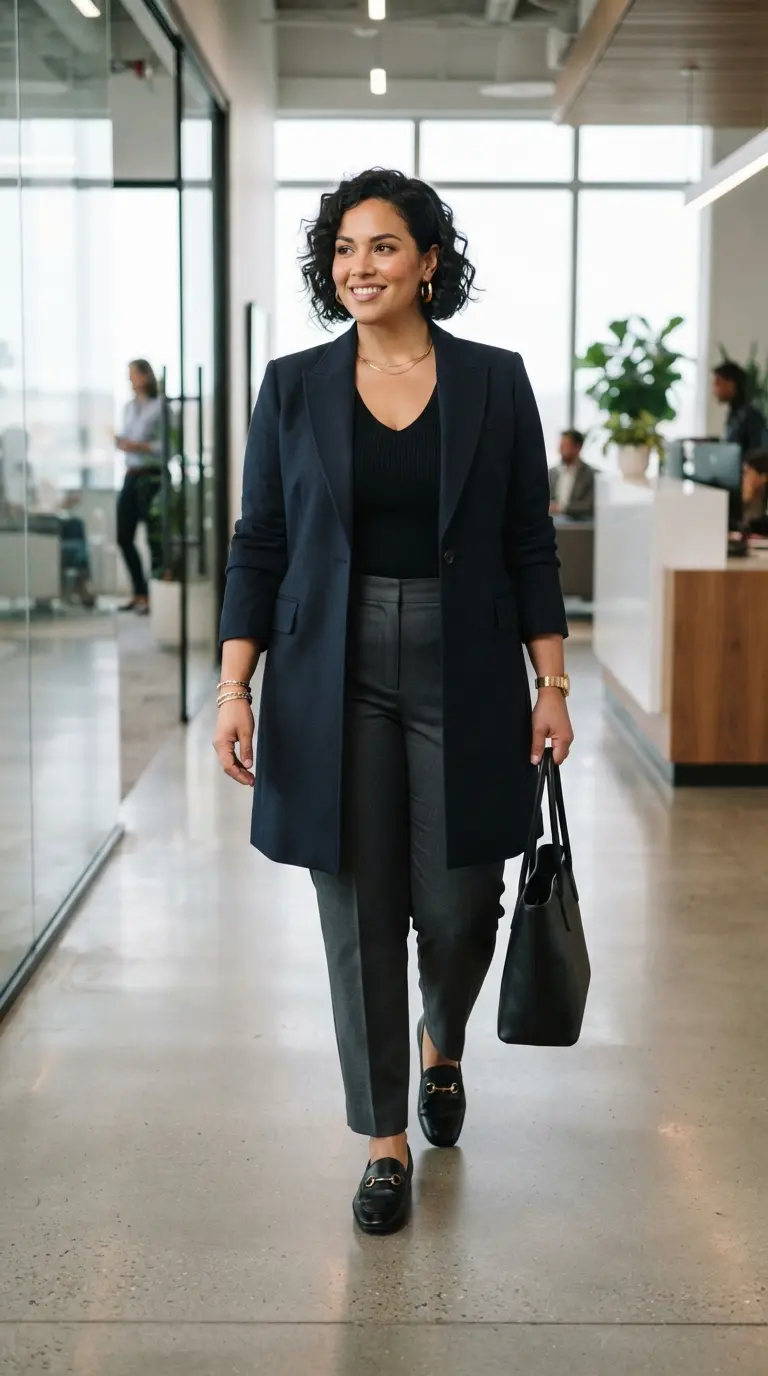
Blazers can be difficult when you have a fuller chest, especially when the shoulders fit but the buttons pull. Single-breasted jackets usually create a cleaner line with less visual bulk across the bust.
Longline blazers are another smart option because they extend the torso visually. Softly structured jackets, belted styles, and open-front cardigans can also create flattering vertical lines.
Tips for Blazers
- Prioritize bust fit over a perfect button closure.
- Consider tailoring the waist after buying for the bust.
- Try slightly structured shoulders for balance.
- Wear blazers open when buttoning creates pulling.
9. Build Outfits With Wide-Leg or Tailored Trousers

Wide-leg pants can provide the lower-body volume needed to balance a fuller bust. Tailored trousers with flat fronts also create clean, sophisticated lines that work especially well for office outfits.
The key is choosing pants with enough structure to hold their shape. Pair them with a fitted knit, wrap top, tucked blouse, or streamlined sweater for a polished silhouette.
Tips for Trouser Styling
- Choose high or mid-rise waistlines.
- Keep the top relatively streamlined.
- Try monochromatic outfits for a longer visual line.
10. Choose Fabrics That Drape Instead of Stiffen
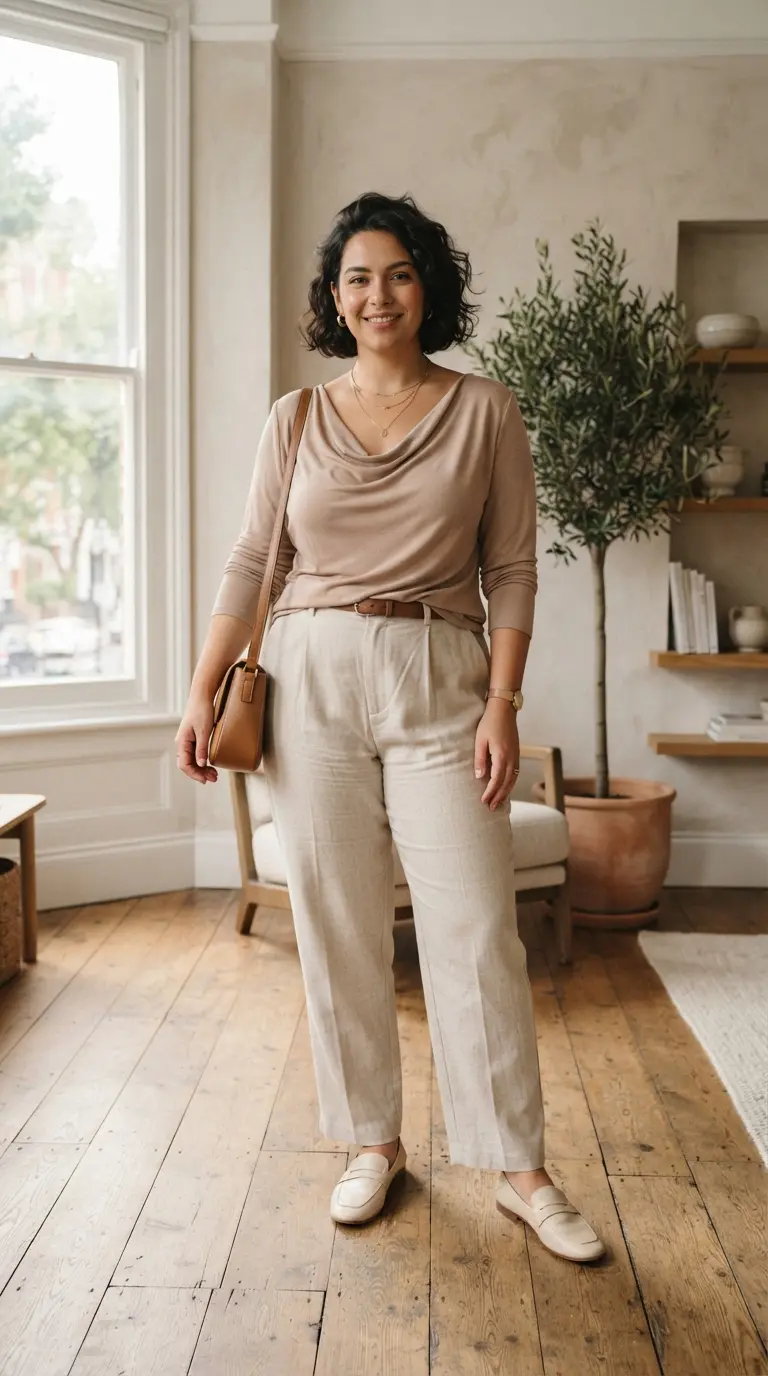
Fabric can make a surprisingly big difference in how clothing looks over a fuller chest. Soft knits, jersey, crepe, ponte, lightweight cotton blends, and other medium-weight fabrics can follow the body without becoming clingy or creating unnecessary bulk.
Very stiff or heavy fabrics may stand away from the chest and make the upper body appear wider. The goal isn’t necessarily thin fabric—it is fabric with enough movement and structure to fall naturally.
Tips for Choosing Fabrics
- Look for fabrics with comfortable stretch.
- Avoid materials that tent away from the chest.
- Use medium-weight fabrics for better structure.
- Test how fabric falls while sitting and moving.
11. Use Prints and Patterns Strategically

Patterns don’t have to be avoided if you have a large bust. Small-to-medium prints, subtle textures, and vertical or diagonal patterns can create visual movement without overwhelming your proportions.
If you love bold prints, consider using them strategically. A patterned skirt or pair of trousers can bring attention toward the lower half, while a simpler top can keep the overall outfit balanced.
Tips for Wearing Prints
- Try vertical stripes for a lengthening effect.
- Use smaller prints when you want a quieter upper half.
- Avoid placing very large motifs directly over the bust if you want less emphasis.
12. Master the Art of Layering
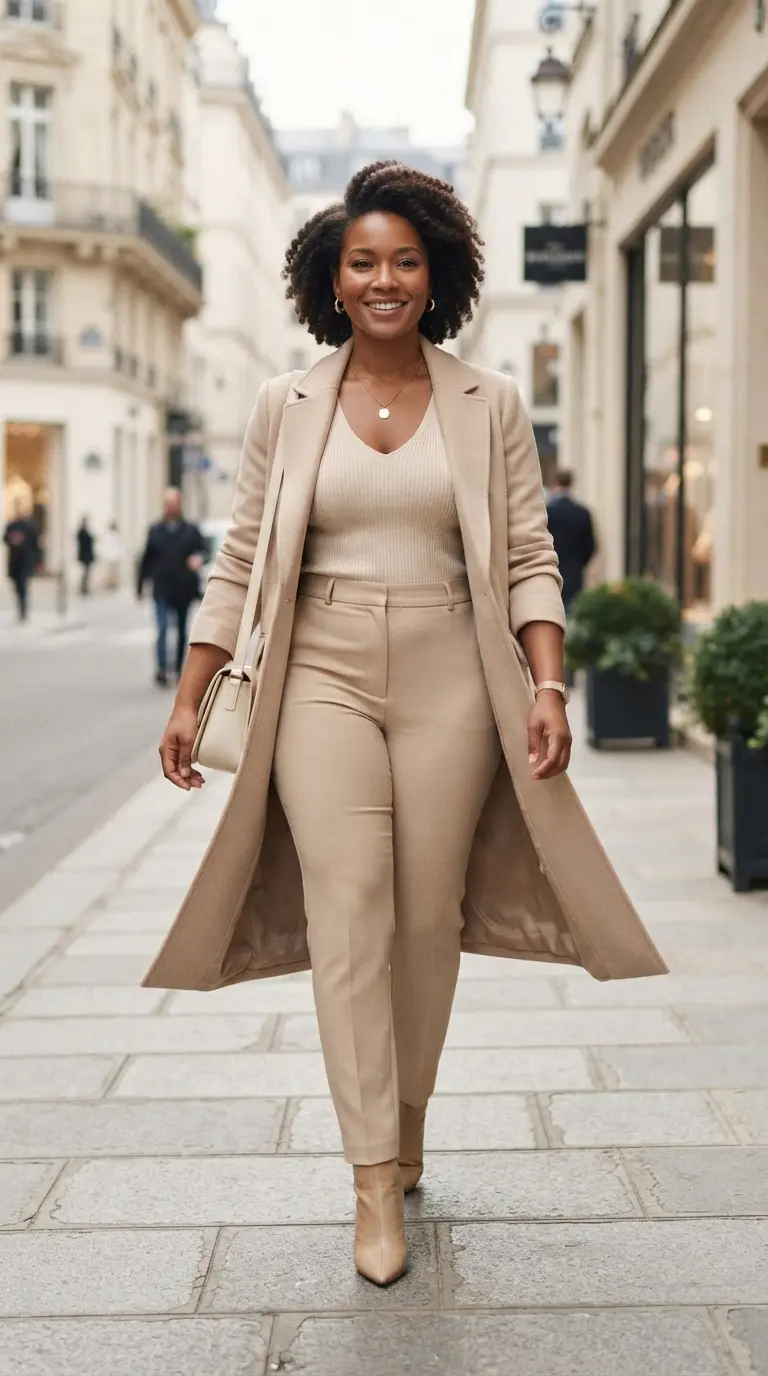
Layering can make a big-bust outfit look stylish rather than bulky when the layers create vertical lines. Start with a relatively streamlined base, then add an open cardigan, vest, long blazer, or lightweight jacket.
Leaving the outer layer open creates two vertical lines that visually frame the torso. This can be especially useful when wearing a higher neckline that would otherwise make the chest look more enclosed.
Tips for Layering
- Keep the first layer relatively smooth.
- Choose lightweight outer layers.
- Leave cardigans and blazers open.
- Let the outer layer fall below your widest point.
13. Try Empire-Waist and Peplum Tops
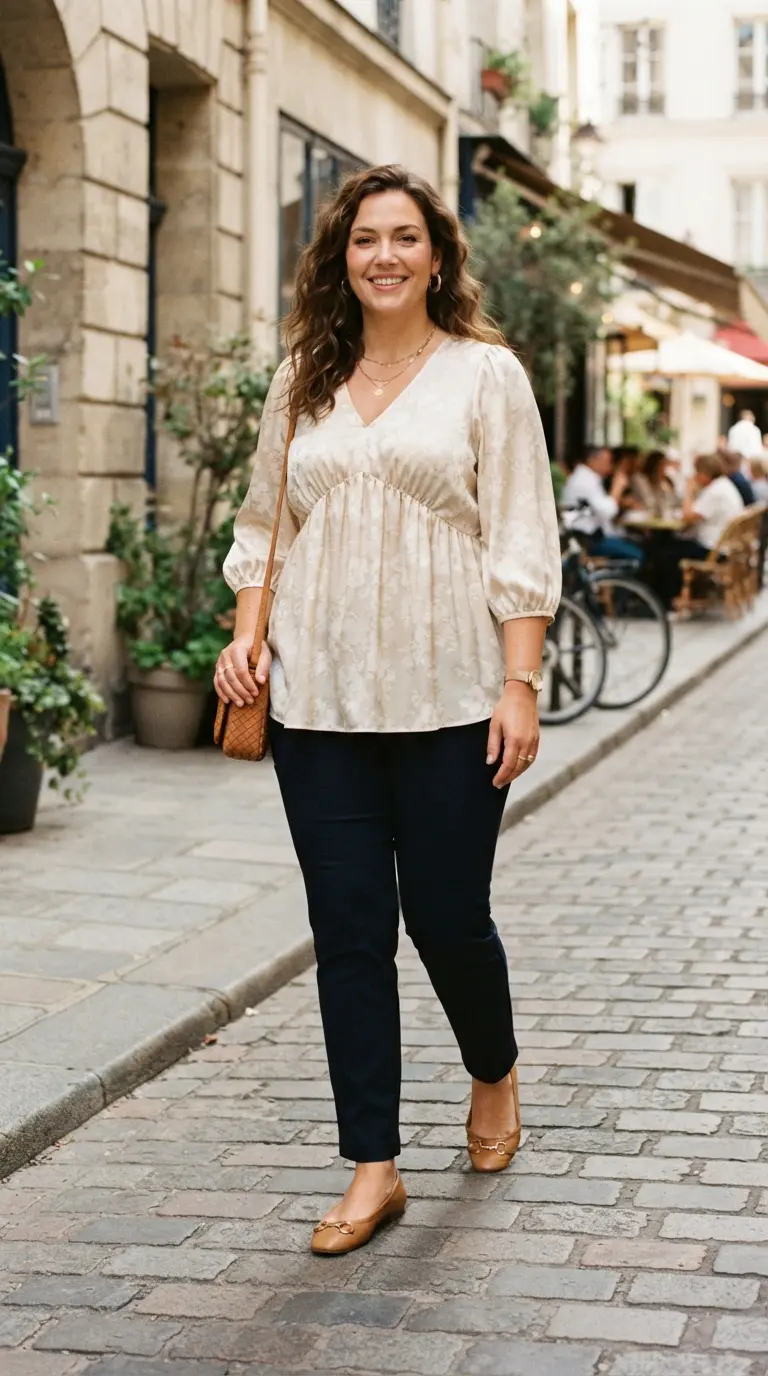
Empire-waist tops sit above the natural waist and allow the fabric to fall away from the bust. This can be comfortable when you don’t want fabric clinging tightly to your chest.
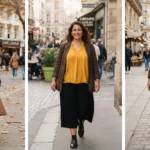
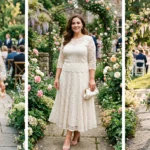

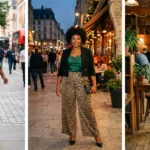
Peplum tops work differently by defining the waist and then adding volume below it. That extra lower-body volume can help create a balanced silhouette while keeping the upper body visually streamlined.
Tips for These Silhouettes
- Choose soft, controlled volume rather than excessive gathers.
- Make sure the bust area has enough room.
- Pair peplum tops with slim or straight-leg bottoms.
14. Make Your Button-Down Shirts Work for You
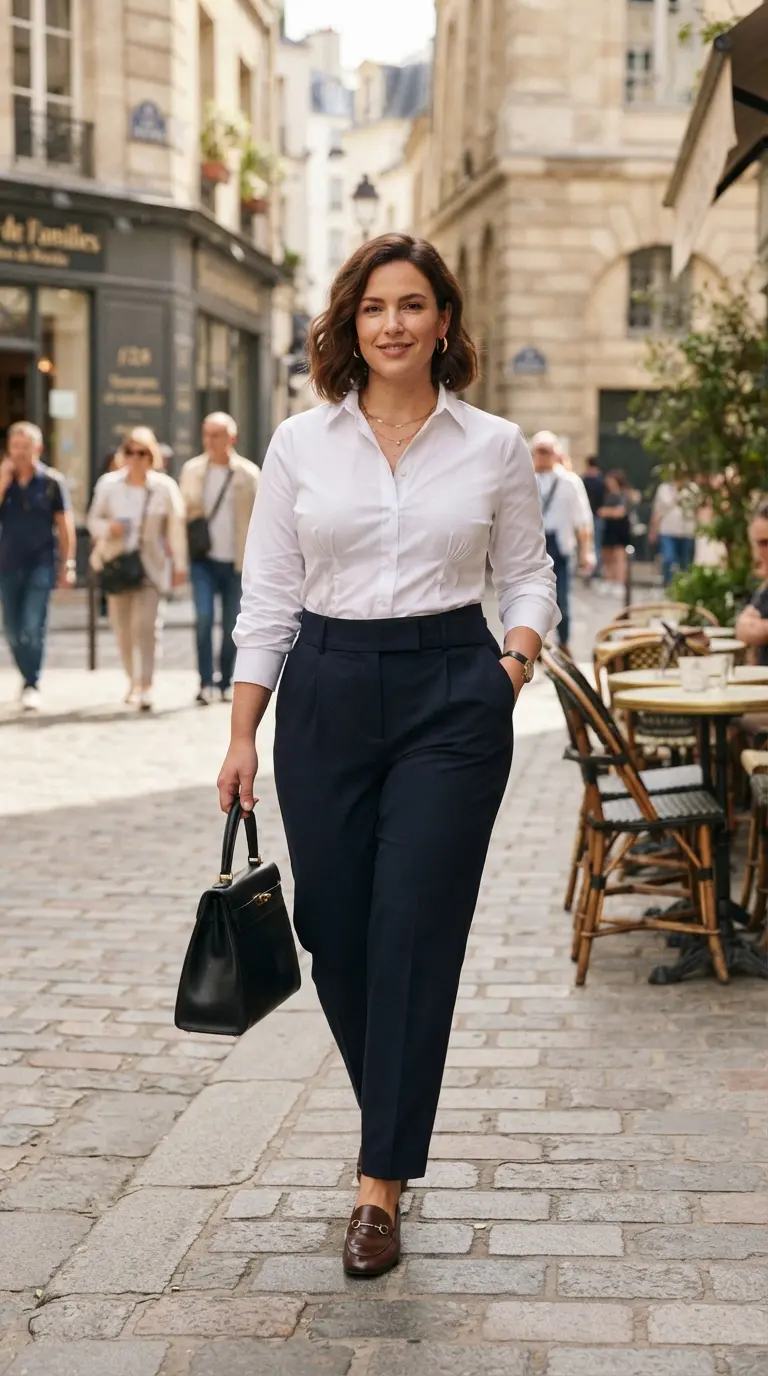
Button-down shirts can be frustrating when the buttons gape across the chest. Instead of sizing down and dealing with pulling, choose a shirt that fits comfortably around your bust and tailor the waist if necessary.
Stretch cotton blends and shirts with a small amount of elastane can provide more flexibility. You can also wear an open shirt over a fitted camisole to create a relaxed vertical layer.
Tips for Button-Downs
- Fit the shirt to your bust first.
- Look for hidden buttons or stretch panels.
- Add a small snap between buttons if needed.
- Tailor excess fabric around the waist.
15. Use Accessories to Create Vertical Lines

Accessories can subtly influence how an outfit is perceived. Medium-length pendant necklaces can draw the eye downward and create a longer visual line through the torso.
If you want less emphasis around the chest, avoid piling chunky necklaces directly over the bust. Instead, let your neckline and clothing provide the main visual structure.
Tips for Accessories
- Try pendants that fall below the bust line.
- Avoid chokers when you want a lengthening effect.
- Use scarves in long, open drapes rather than bulky knots.
16. Try Monochrome Outfits for a Streamlined Look
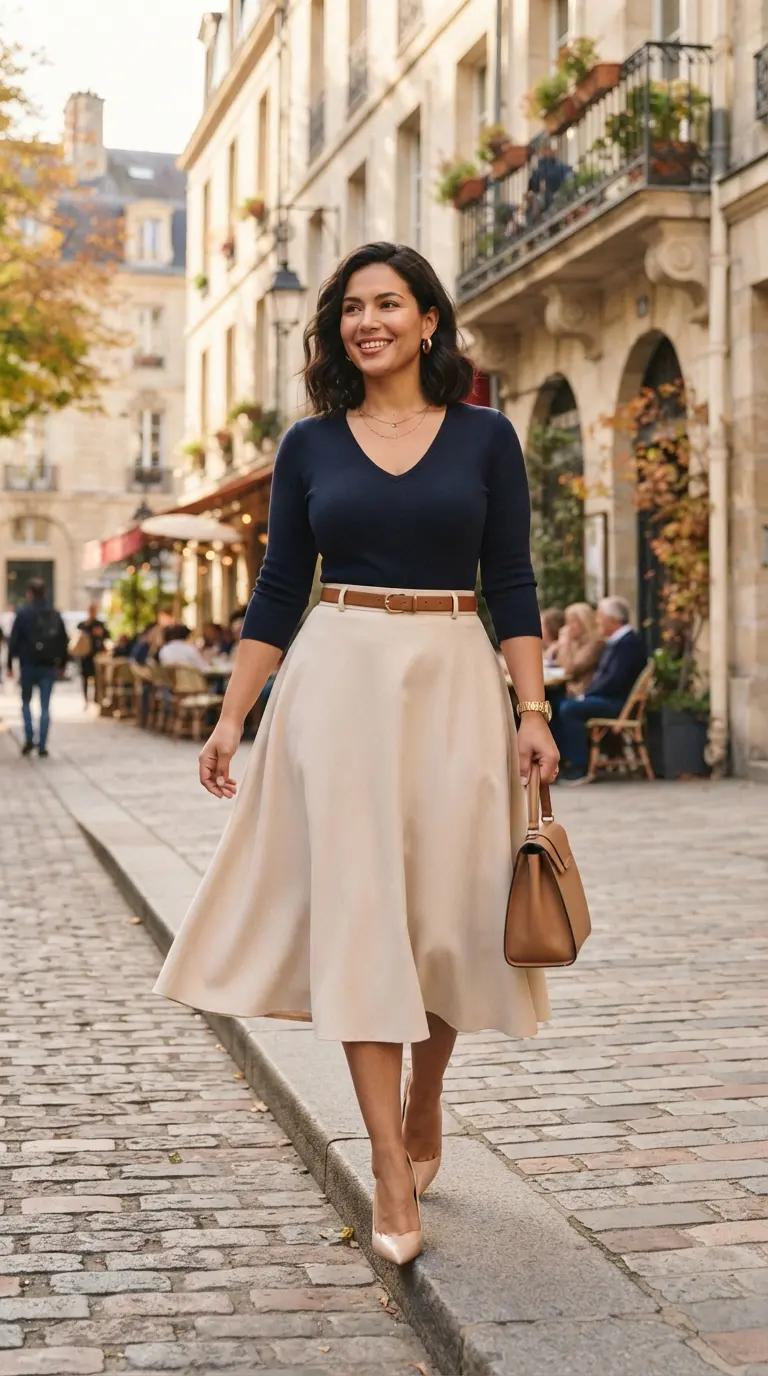
Wearing similar or identical colors from top to bottom creates an uninterrupted visual line. This is particularly useful when you want an outfit that feels elegant and elongated.
A monochrome outfit doesn’t have to be boring. Mix different textures, such as a soft knit top with tailored trousers or a smooth blouse with a textured skirt, while keeping the color family consistent.
Tips for Monochrome Dressing
- Use different textures to create interest.
- Try neutral shades for an effortless look.
- Keep the silhouette clean and uncluttered.
17. Choose the Right Hemline for Tops
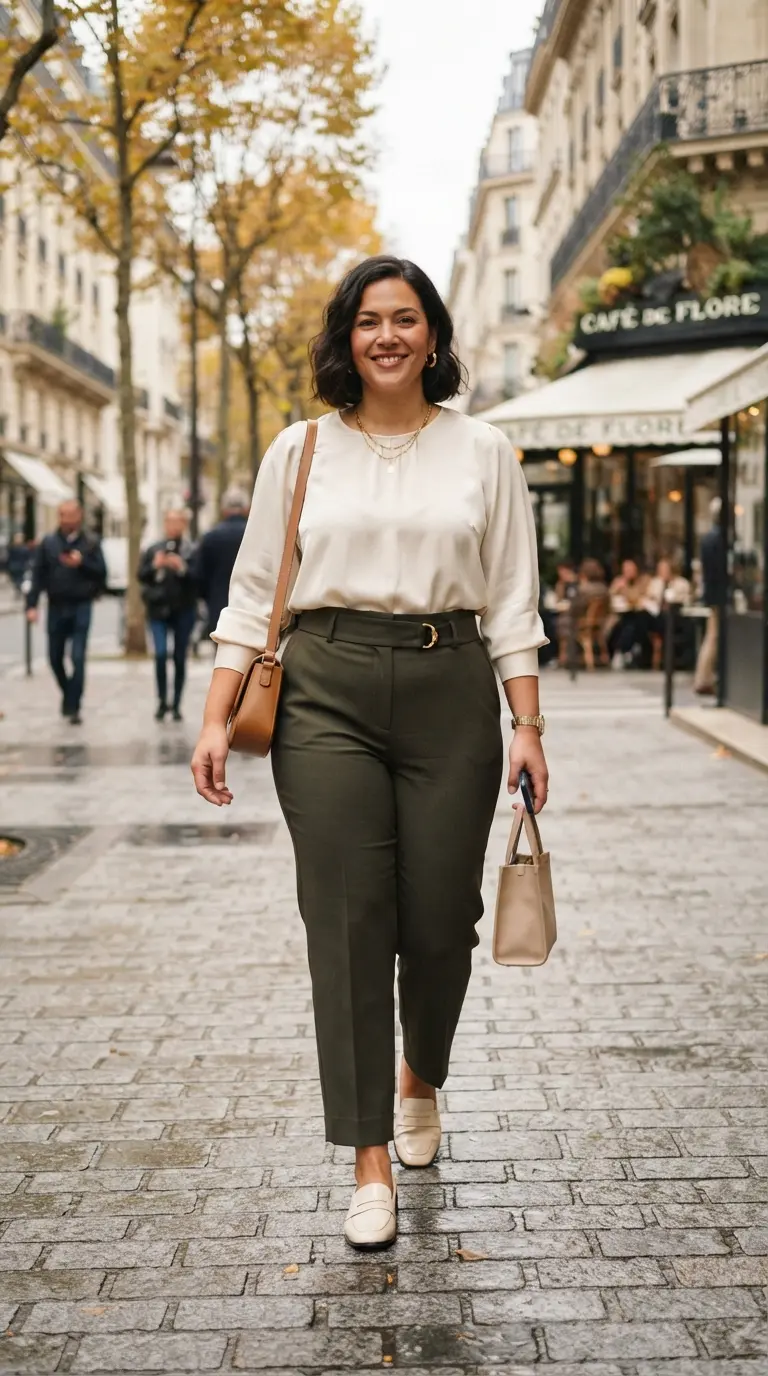
Where a top ends can completely change the proportions of an outfit. Tops that stop directly across the fullest part of the bust can visually widen that area, while very long shapeless tops can hide the waist.
A hem that finishes around the waist, just below the hipbone, or at another intentional point can make an outfit look much more balanced.
Tips for Choosing Hemlines
- Avoid hems that cut directly across the fullest part of the bust.
- Try a half-tuck to reveal your waist.
- Knot casual tops when appropriate.
- Pair longer tops with structured bottoms.
18. Create Balance With Color and Volume
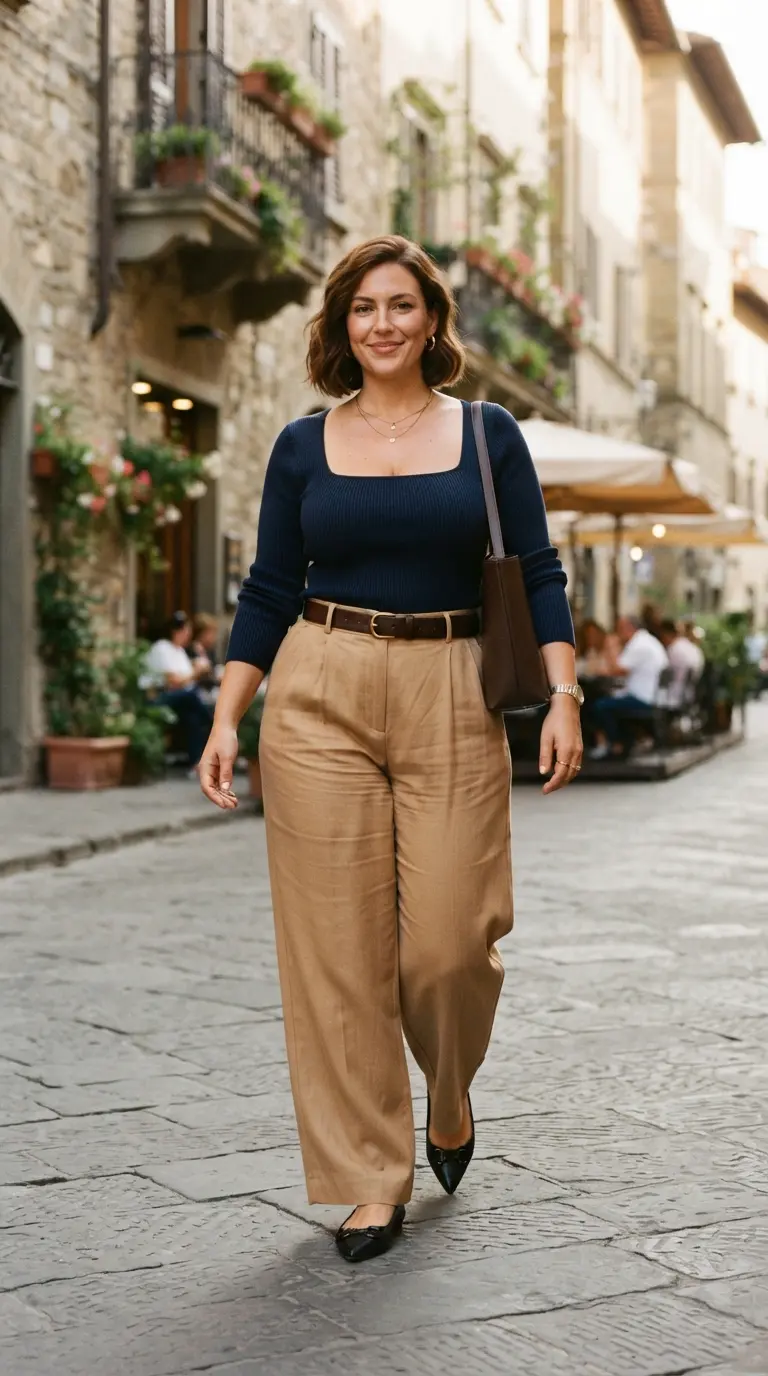
You don’t have to follow strict fashion rules, but color placement can help you create the proportions you prefer. For example, a darker streamlined top combined with a lighter or more textured bottom can visually distribute attention.
The same principle applies to volume. If your top is fitted, try a wider-leg trouser or A-line skirt. If your bottom is loose, a more streamlined top can create a polished balance.
Tips for Proportion
- Balance fitted tops with relaxed bottoms.
- Try lighter colors on the lower half.
- Use texture strategically rather than everywhere.
- Avoid oversized pieces on both top and bottom.
19. Know Which Styles Can Add Unwanted Bulk

Understanding what tends to work less well can save you time while shopping. Extremely boxy tops, thick ruffles directly over the bust, large chest pockets, and stiff fabrics can add visual volume where you may not want it.
High-neck shiny tops, strapless styles that don’t stay secure, and double-breasted jackets can also create challenges. None of these are absolute fashion rules—you can wear anything you love—but knowing their effect helps you style them intentionally.
Tips for Problem Pieces
- Add an open blazer over a high-neck top.
- Choose structured strapless pieces with strong support.
- Remove or avoid oversized chest details.
- Half-tuck boxy tops to restore waist definition.
20. Add Ruching, Diagonal Details and Tailoring
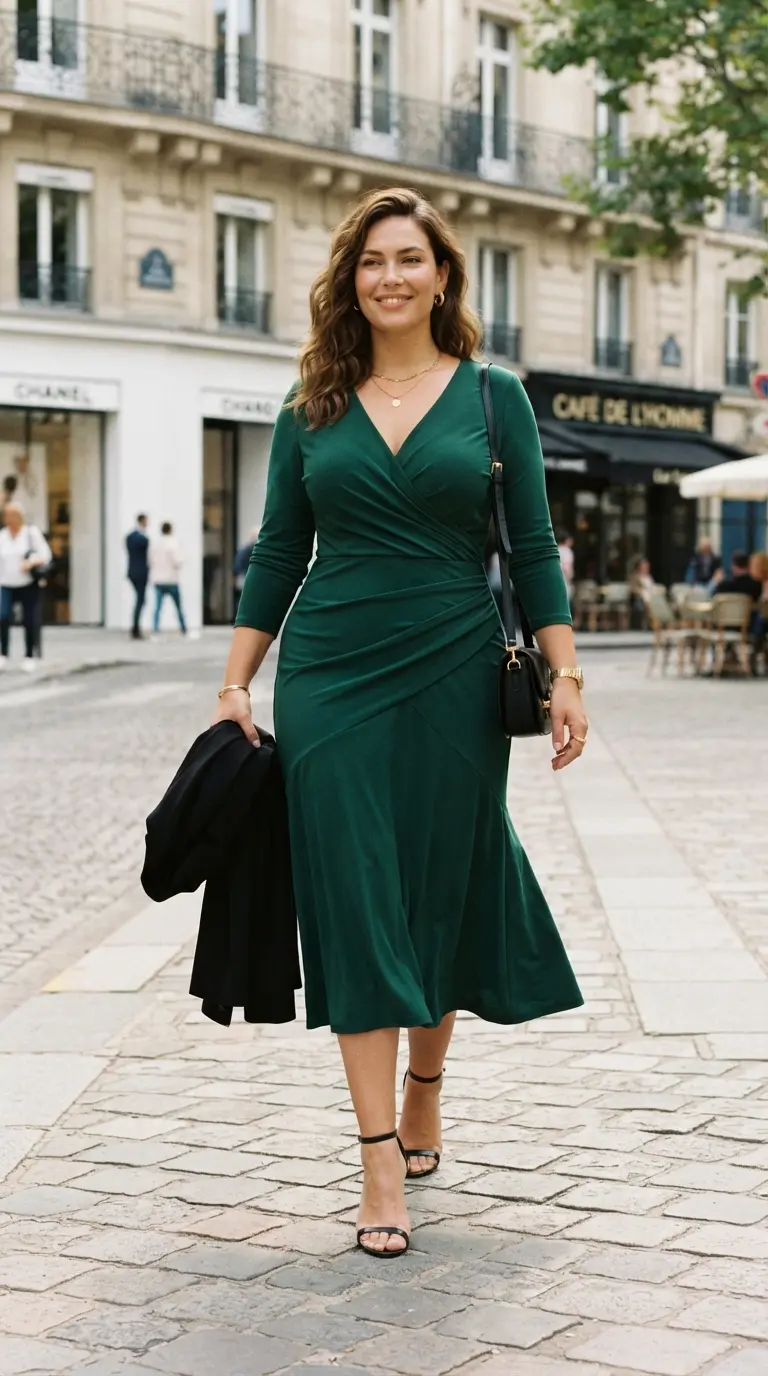
Small construction details can make clothing much more flattering. Ruching, diagonal seams, wrap details, and bias cuts create movement across the body rather than emphasizing a single horizontal point.
Tailoring is equally valuable. If a garment fits beautifully through your bust but is loose around the waist, a few alterations can make it look custom-made. This is often better than choosing a smaller size that pulls across the chest.
Tips for a More Custom Fit
- Look for diagonal seams and ruching.
- Choose darts when available.
- Tailor waists instead of sizing down.
- Keep extra fabric away from the fullest part of the bust.
FAQs About Clothes for Big Busts
What are the most flattering tops for a big bust?
V-neck, scoop-neck, square-neck, wrap, peplum, empire-waist, and softly fitted stretch tops are excellent choices. The best option depends on your personal comfort and preferred level of coverage.
Are high necks bad for a large bust?
Not necessarily. High necks can visually enclose the upper body, but layering an open blazer, cardigan, or jacket can create vertical lines and make the outfit feel more balanced.
What dresses look best on women with a big bust?
Wrap dresses, fit-and-flare dresses, V-neck midi dresses, and structured shirt dresses are particularly versatile. Look for enough room through the bust and some waist definition.
Should women with large busts avoid oversized clothes?
Oversized clothing isn’t forbidden, but completely shapeless pieces can make the body look wider. If you choose a loose top, balance it with a more defined bottom or use a half-tuck, belt, or knot to restore shape.
What jeans are best for a fuller bust?
High-waisted straight-leg, bootcut, wide-leg, and tailored trouser styles can help balance the upper body. The best choice depends on your overall proportions and personal style.
What neckline is most flattering for a large bust?
V-necklines are a popular choice because they create vertical space, but scoop, square, sweetheart, and wrap necklines can also be very flattering.
How can I stop button-down shirts from gaping?
Choose a shirt that fits your bust rather than sizing down. Stretch fabrics, hidden buttons, small snaps, or professional tailoring can help prevent gaping.
How to Build a Flattering Wardrobe for a Big Bust
Creating a big-bust-friendly wardrobe starts with fit rather than fashion rules. Focus on supportive undergarments, open necklines, waist definition, fabrics that drape, and bottoms that balance your proportions. Build a small collection of reliable pieces such as a wrap top, V-neck knit, high-waisted jeans, tailored trousers, A-line skirt, single-breasted blazer, and wrap dress. Once these basics fit properly, experiment with prints, colors, accessories, and trends. The goal isn’t to make your bust look smaller—it is to create outfits that feel comfortable, balanced, stylish, and completely like you.
Final Words
Dressing a fuller bust becomes much easier once you stop focusing on hiding your shape and start focusing on fit, balance, and comfort. The right neckline, supportive bra, waist definition, fabric, layering technique, and bottom silhouette can transform even simple wardrobe pieces.
Most importantly, don’t treat these suggestions as strict rules. Fashion should help you feel confident. If you love a turtleneck, bold print, fitted dress, or oversized shirt, wear it—just use styling techniques that make the piece work better for your proportions.
Don't miss the next one
Quick outfit ideas and beauty tips, straight to your inbox.